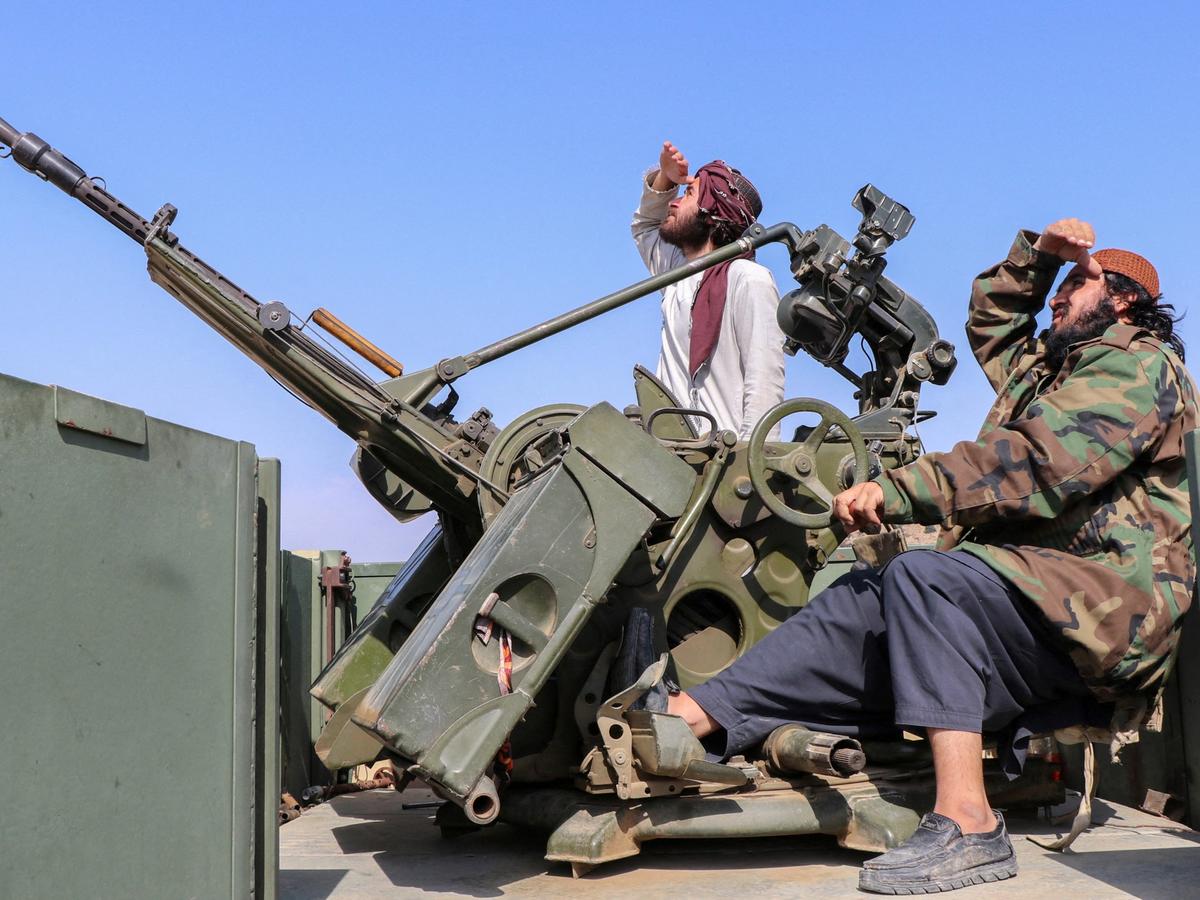
Pakistan-Afghanistan Live: Iran, EU Urge Dialogue Amid Deadly Clashes
•February 28, 2026
0
Why It Matters
The renewed hostilities threaten South Asian stability, disrupt cross‑border trade, and risk a deepening humanitarian emergency across Afghanistan and Pakistan.
Key Takeaways
- •Taliban drone strikes hit Pakistani Khyber Pakhtunkhwa bases
- •Pakistan responded with airstrikes on Afghan cities, including Kabul
- •Saudi, UAE, Jordan, EU urge immediate de‑escalation and dialogue
- •UN warns humanitarian crisis could affect 22 million Afghans
- •Border fighting risks broader South Asian security and economic disruption
Pulse Analysis
The latest flare‑up along the Pakistan‑Afghanistan frontier marks the most intense phase of hostilities since the October cease‑fire. Taliban‑aligned fighters deployed armed drones to strike Pakistani military outposts in Miranshah and Spinwam, prompting Islamabad to launch a series of retaliatory air raids that reached urban centers in Afghanistan, including Kabul. These reciprocal attacks have shattered the fragile de‑escalation momentum and revived fears of a broader conventional confrontation, especially given the porous 2,600‑kilometre border that has long facilitated insurgent movement and smuggling.
Regional actors have moved quickly to contain the spillover. Saudi Arabia, the United Arab Emirates and Jordan issued joint statements urging restraint, diplomatic engagement and respect for sovereignty, while the European Union’s Council called for an immediate halt to hostilities and for the Taliban to curb terrorist sanctuaries. The United Nations, already monitoring a humanitarian emergency affecting roughly 22 million Afghans, warned that continued fighting will exacerbate displacement and food insecurity. These diplomatic overtures reflect a shared concern that unchecked violence could destabilise South Asian trade routes and fuel extremist recruitment.
If the cross‑border exchange escalates into a protracted conflict, the economic cost to both nations could be severe. Pakistan’s north‑western provinces rely on cross‑border commerce for agricultural inputs, while Afghanistan’s fragile reconstruction efforts depend on stable supply lines from Pakistani markets. Moreover, renewed fighting risks drawing in proxy groups operating in the tribal belt, complicating counter‑terrorism operations. Policymakers therefore face a narrow window to broker a sustainable cease‑fire, reinforce border management mechanisms, and channel international aid toward rebuilding civilian infrastructure before the humanitarian toll becomes irreversible.
Pakistan-Afghanistan live: Iran, EU urge dialogue amid deadly clashes
0
Comments
Want to join the conversation?
Loading comments...