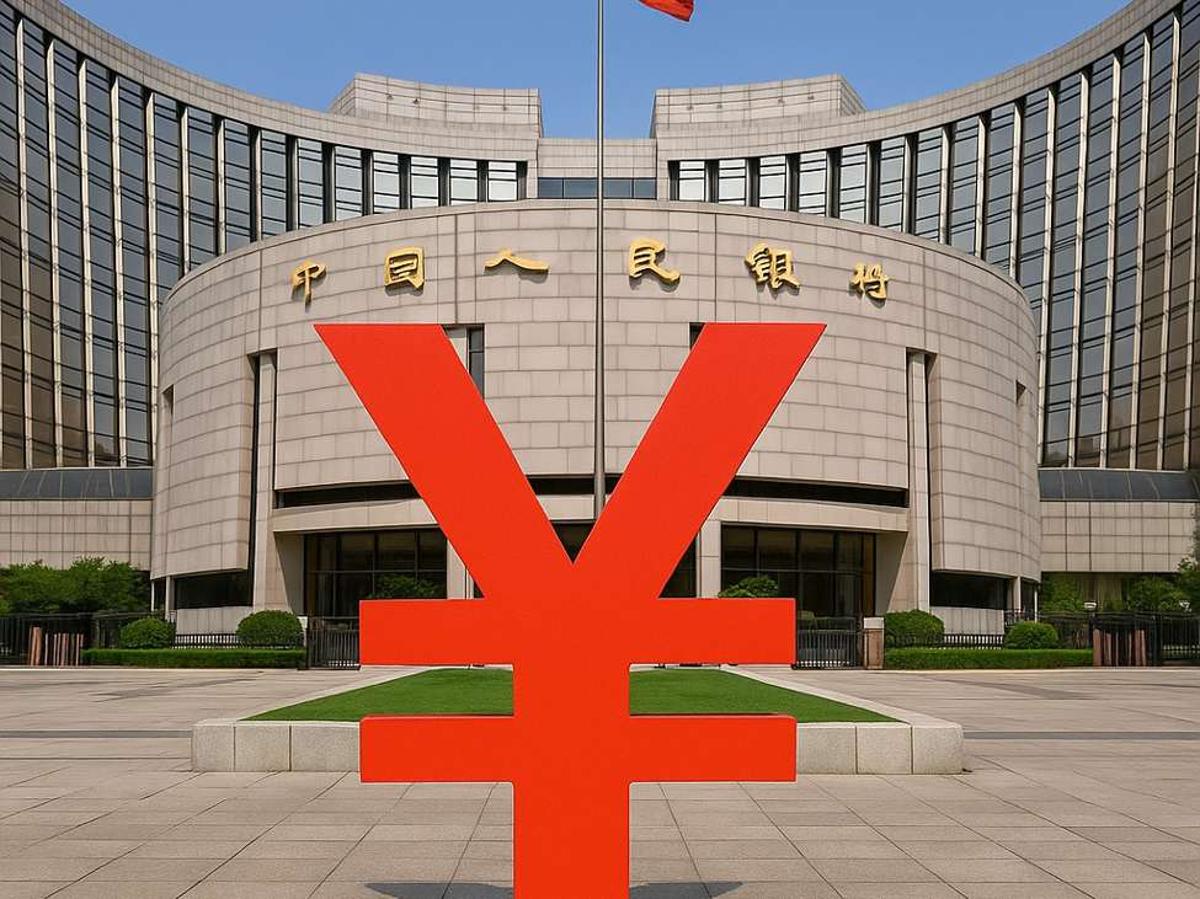
PBOC Sets USD/ CNY Reference Rate for Today at 6.9414 (Vs. Estimate at 6.9249)
•February 24, 2026
0
Why It Matters
A higher reference rate signals a tighter yuan stance, affecting import costs and capital flows, while the substantial net liquidity drain underscores the PBOC’s effort to curb excess credit and stabilize short‑term rates.
Key Takeaways
- •Reference rate set at 6.9414, above estimate
- •Yuan allowed +/-2% band around rate
- •526bn yuan injected via 7‑day reverse repo
- •Net liquidity drain of 926.4bn yuan
- •Largest drain in over four months
Pulse Analysis
The People’s Bank of China’s daily reference rate is a cornerstone of its managed‑float system, anchoring the yuan’s value against the dollar within a prescribed band. By posting a midpoint of 6.9414, the PBOC nudged the currency higher than market forecasts, suggesting a modestly tighter stance that could lift import prices and influence overseas investors monitoring China’s exchange dynamics. This adjustment, though small, often foreshadows broader policy shifts, especially when paired with other monetary signals.
Liquidity management remains a critical lever for the central bank. Today’s 7‑day reverse repo operation supplied 526 billion yuan at a 1.4% rate, a routine tool to meet short‑term funding needs. However, the net outflow of 926.4 billion yuan—its biggest since early‑year levels—indicates a deliberate tightening to absorb excess cash, curb credit growth, and support the yuan’s stability. Such moves can pressure domestic banks’ balance sheets, raise short‑term borrowing costs, and signal vigilance against inflationary pressures.
For market participants, the combined effect of a higher reference rate and a sizable liquidity drain reshapes expectations for China’s monetary trajectory. Exporters may face a marginally stronger yuan, while foreign investors could see reduced carry‑trade incentives. The PBOC’s actions also hint at a cautious approach ahead of key economic data releases, suggesting that future rate adjustments or open‑market operations will be calibrated to balance growth objectives with financial stability. Understanding these dynamics is essential for traders, corporates, and policymakers navigating China’s evolving macro‑environment.
PBOC sets USD/ CNY reference rate for today at 6.9414 (vs. estimate at 6.9249)
0
Comments
Want to join the conversation?
Loading comments...