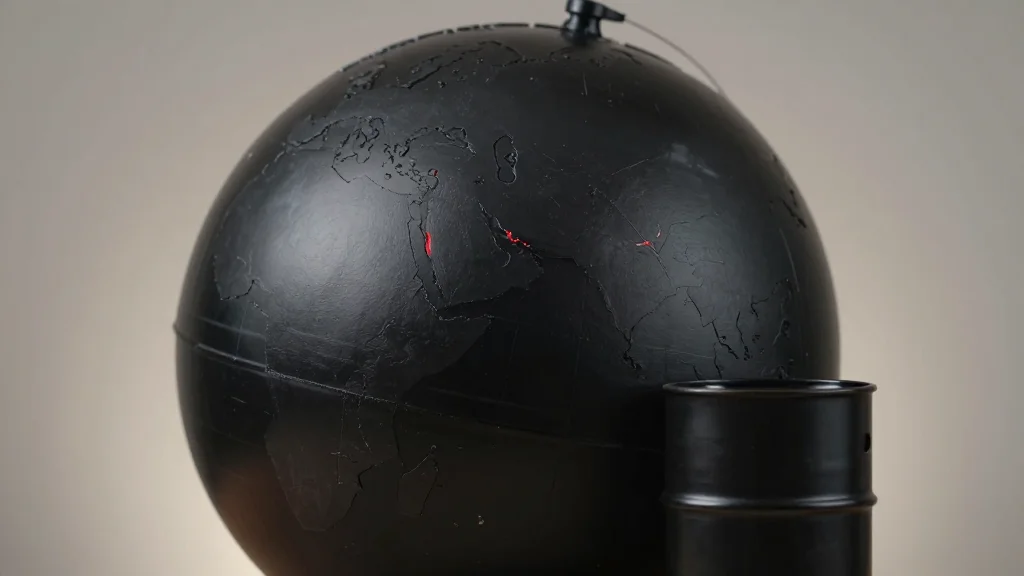
Peterson Institute: Middle East War Trims Global Growth, Raises US Inflation

Why It Matters
The Peterson Institute’s projections signal that the Middle East war is not a peripheral shock but a structural headwind for the global economy. By lowering growth expectations and nudging U.S. inflation above the Federal Reserve’s 2% target, the conflict could reshape monetary‑policy cycles, delay labor‑market recovery and force governments to re‑evaluate fiscal priorities, especially in energy‑dependent regions. For investors, the outlook underscores heightened volatility in commodity markets and the potential for tighter credit conditions as central banks respond to persistent price pressures. For emerging economies that rely on imported energy, the report warns of widening current‑account deficits and social strain, raising the specter of broader financial instability if the conflict escalates.
Key Takeaways
- •Global real GDP growth forecast cut to 3.0% for 2026, down from 3.3% in 2025
- •U.S. PCE inflation projected at 3.2% in Q4 2026, above the Fed’s 2% goal
- •Oil price downside risk scenario could spike to $150 per barrel, trimming growth by 0.4 pp
- •U.S. real GDP growth expected to fall to 2.0% in 2026, then 1.9% in 2027
- •Strait of Hormuz handles ~25% of world oil shipments; conflict disrupts energy and commodity supply chains
Pulse Analysis
The Peterson Institute’s latest outlook arrives at a moment when markets are already pricing in heightened geopolitical risk. Historically, wars that choke a chokepoint like the Strait of Hormuz have produced sharp, albeit often short‑lived, spikes in oil prices that reverberate through inflation and growth. The institute’s baseline assumption that prices will normalize later in 2026 rests on the expectation of a durable ceasefire—a premise that remains fragile. If the $150 per barrel scenario materializes, the United States could see a double‑dip recession, as higher energy costs erode consumer purchasing power just as AI‑driven investment gains are offset by a shrinking labor pool.
From a policy perspective, the report reinforces the dilemma facing the Federal Reserve: tighten enough to anchor inflation without choking the modest growth trajectory. Dynan’s call for patience suggests the Fed may opt for a slower‑than‑expected rate‑hike path, betting that energy price moderation will eventually relieve inflationary pressure. However, the IMF‑derived downside scenario warns that a 5.4% inflation spike would likely force a more aggressive stance, potentially triggering higher borrowing costs and a slowdown in credit‑sensitive sectors.
For emerging markets, the outlook is a cautionary tale. Countries that import a large share of their energy will see real income erosion, potentially sparking social unrest and prompting capital outflows. Conversely, Gulf exporters may benefit from higher oil revenues in the short term but face long‑term risks if infrastructure damage or sustained volatility undermines production capacity. The report’s emphasis on international cooperation hints at a policy window for coordinated energy‑security measures, such as strategic petroleum reserves releases or diversified supply routes, which could temper the worst‑case outcomes.
Peterson Institute: Middle East war trims global growth, raises US inflation
Comments
Want to join the conversation?
Loading comments...