Polish Activity Data Slows Further in 2Q but 3.4% Growth Still Achievable for 2026
Why It Matters
The data shows Poland can sustain near‑target growth despite external shocks, signaling resilience for investors and policymakers. Slower consumption and modest wage pressures give the central bank room to pause tightening, supporting financial stability.
Key Takeaways
- •Retail sales rose 3% YoY in May after April slowdown
- •Construction output grew 3.9% YoY, but civil engineering fell 1.8%
- •Wage growth slowed to 5.8% YoY while employment fell 0.9%
- •NBP likely to hold rates, eyeing a cut later 2027
- •2026 GDP projected at 3.4% despite Q2 slowdown
Pulse Analysis
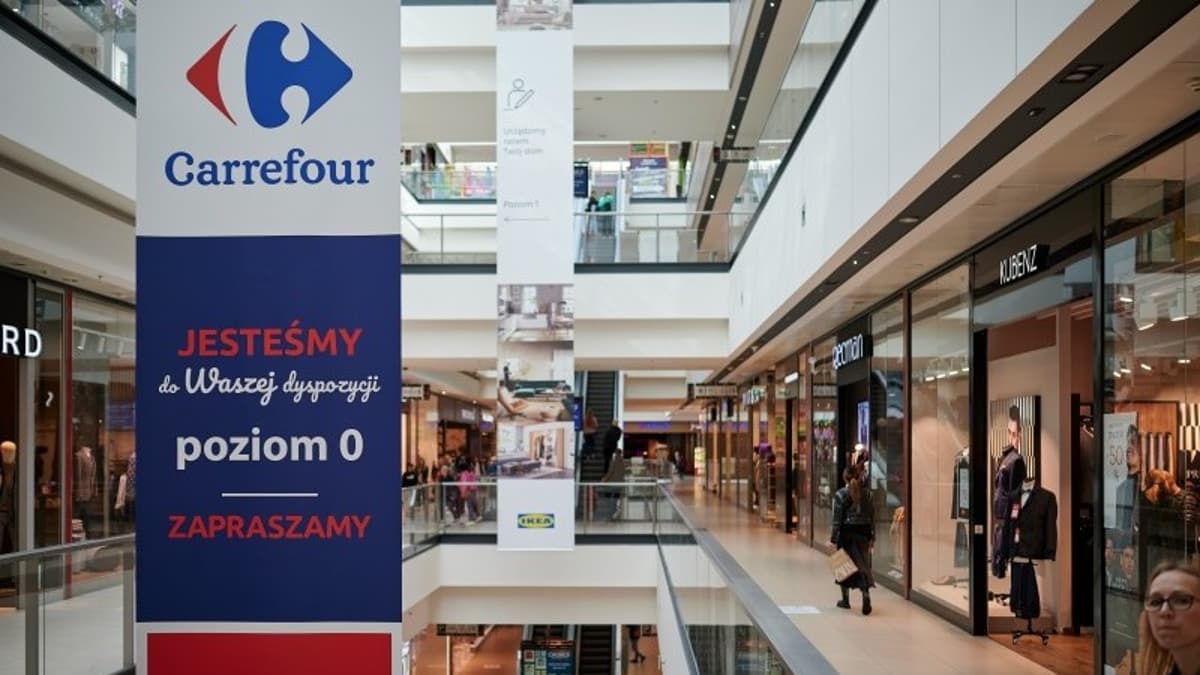
Poland’s economy entered the second quarter of 2026 with a mixed performance that still underpins a 3.4% growth target for the year. Consumer spending showed a modest rebound in May, driven largely by Easter‑related purchases, yet overall retail sales lagged expectations as fuel price sensitivity and a dip in food purchases weighed on demand. The lingering effects of the Middle‑East conflict have added uncertainty, but government measures to cap fuel costs have prevented a sharper slowdown, keeping private consumption as a steady growth pillar.
The construction sector has emerged as a key counterbalance to the tepid consumer outlook. After a weather‑driven slump in Q1, output rose 3.9% YoY in May, with the broader recovery supported by the EU’s Recovery and Resilience Facility financing. While civil‑engineering projects slipped 1.8%, the narrowing window for RRF‑funded works is expected to spur a resurgence in infrastructure spending, offsetting weaker durable‑goods demand and bolstering fixed‑investment contributions to GDP.
Labor market dynamics further ease inflationary pressures. Enterprise‑sector wages increased 5.8% YoY, slightly below forecasts, and employment fell 0.9%, indicating no second‑round wage‑price spiral from the energy shock. With core inflation anchored and inflation expectations stable, the National Bank of Poland is poised to maintain its policy rate, postponing cuts until at least 2027. This stance provides a predictable monetary environment, supporting both domestic investors and foreign capital flows seeking exposure to a resilient Central European market.
Polish activity data slows further in 2Q but 3.4% growth still achievable for 2026
Comments
Want to join the conversation?
Loading comments...