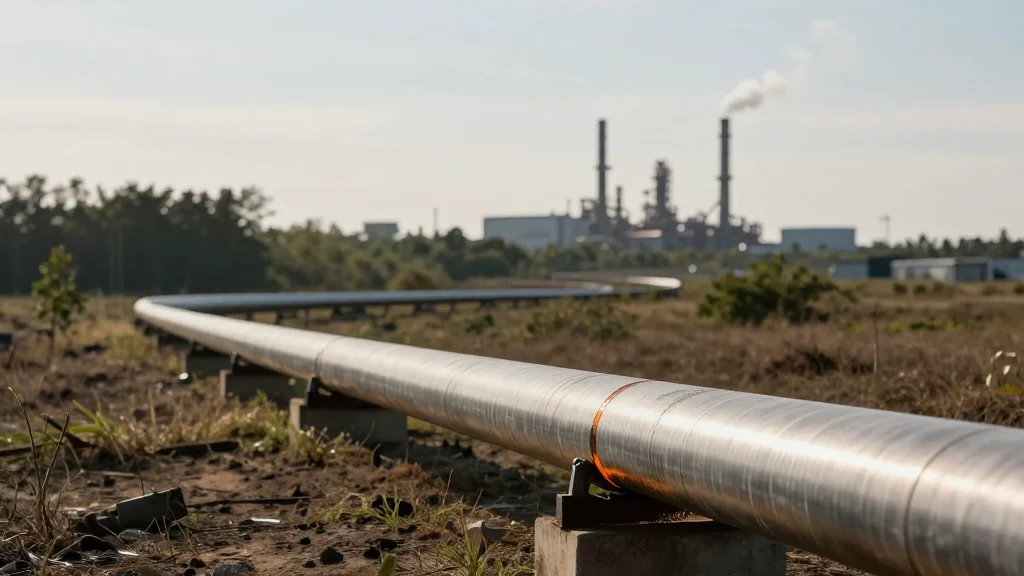
Russia Stops Flow of Kazakh Oil to Germany
Why It Matters
The suspension jeopardizes Germany’s fuel supply and highlights Russia’s continued ability to weaponize pipeline transit, complicating EU energy diversification efforts.
Key Takeaways
- •Russia resumes oil flow through Druzhba to EU after months-long blockage
- •Kazakh oil shipments to Germany halted, citing technical issues
- •Cutoff threatens German refinery supplying Berlin, may affect EU energy security
- •Kazakhstan's main export route remains Caspian Pipeline, limiting overall impact
- •Analysts view halt as Russian retaliation amid Ukraine war pressures
Pulse Analysis
The Druzhba pipeline, a 4,000‑kilometre conduit linking Russian oil fields to Central Europe, has long been a barometer of geopolitical stability. After a prolonged shutdown caused by alleged drone strikes and sabotage in Ukraine, the southern branch was cleared and oil resumed flowing in late April, unlocking the EU’s planned $98 billion aid package for Kyiv. This restoration eases immediate supply concerns for countries like Poland and the Czech Republic, but the pipeline’s reliability remains contingent on the security environment in the region.
In parallel, Russia’s decision to stop Kazakh crude shipments to Germany has sent shockwaves through European energy markets. While Moscow attributes the halt to “technical issues” at the Samara transit node, analysts interpret it as a strategic response to Western sanctions and Ukraine’s resilience. Germany’s reliance on the northern Druzhba branch for a significant portion of its refinery feedstock means the cutoff could strain a refinery that fuels the capital, Berlin. Kazakhstan, however, mitigates the blow by routing the bulk of its output through the Caspian Pipeline Consortium, which, despite recent drone attacks, still handles the majority of its exports.
The twin developments illustrate Russia’s enduring capacity to wield energy infrastructure as a geopolitical lever. Even as the EU accelerates diversification—boosting LNG imports, expanding renewable capacity, and pursuing alternative pipeline routes—the episode reinforces the urgency of reducing dependence on Russian‑controlled transit. For European policymakers, the lesson is clear: energy security must be decoupled from political volatility, lest supply shocks re‑emerge as tools of coercion in an increasingly contested geopolitical landscape.
Russia stops flow of Kazakh oil to Germany
Comments
Want to join the conversation?
Loading comments...