Russia’s China Energy Lifeline Is Becoming a Noose
Companies Mentioned
Why It Matters
The growing asymmetry undermines Russia’s ability to fund its Ukraine war and strengthens China’s energy security and geopolitical leverage, reshaping the Eurasian balance of power.
Key Takeaways
- •China buys Russian oil at $12‑$9 per barrel discount.
- •Russian gas to China sold at up to 45% discount.
- •Over $12 billion saved by China from oil discounts (2022‑2025).
- •Russia relies on China for >90% of sanctioned tech imports.
- •Beijing stalls Power of Siberia 2 pipeline, demanding subsidised prices.
Pulse Analysis
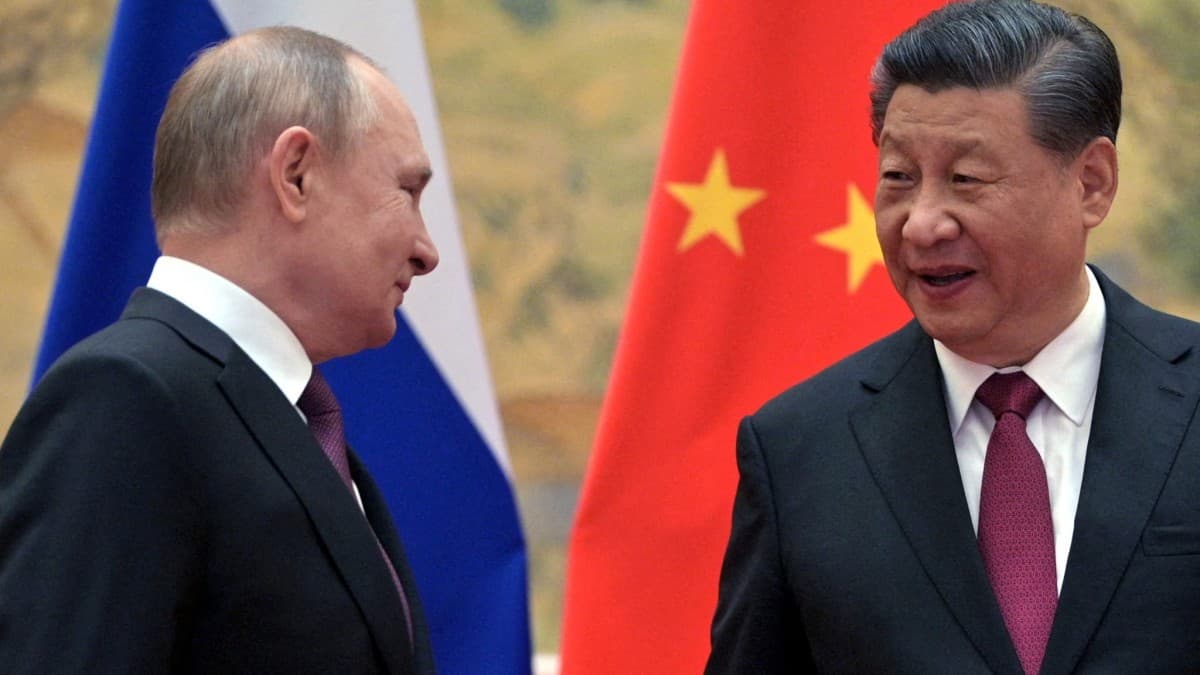
The Xi‑Putin summit in May highlighted a stark shift from the "no‑limits" friendship proclaimed in 2022 to a pragmatic, uneven bargain. While both leaders signed a lengthy joint declaration on multipolarity, the absence of any breakthrough on energy pricing or pipeline construction signalled Beijing’s willingness to let Russia walk alone on key strategic fronts. Historically, Moscow has counted on Chinese political backing to offset Western sanctions, but the latest dialogue revealed a relationship increasingly defined by transactional benefits rather than ideological alignment.
Economically, the numbers illustrate the depth of the imbalance. Russian Urals and ESPO crude now fetch roughly $12 and $9 per barrel below Brent, delivering China an estimated $2.2 billion in savings for 2025 and a cumulative $12 billion over the past four years. Gas exports via the Power of Siberia line are discounted by as much as 45%, a rate that would erode Gazprom’s margins on every cubic metre shipped. Simultaneously, more than 90% of the high‑end technology Russia needs—micro‑chips for missile guidance, propulsion units for drones, and components for hypersonic weapons—originates from Chinese suppliers, making Moscow’s war machine heavily reliant on Beijing’s export controls and clandestine logistics.
Strategically, China is converting its energy leverage into broader geopolitical gains. By stalling the Power of Siberia 2 project and demanding domestically subsidised prices, Beijing forces Russia into a costly concession that could accelerate Moscow’s fiscal strain. Concurrently, Chinese firms are quietly securing long‑term leases on Far‑Eastern farmland, timber and mineral assets, while state‑approved maps revive historic Chinese place names, hinting at a long‑term soft‑power strategy in the region. The combined effect is a partnership where Russia receives a diminishing lifeline, whereas China consolidates cheap energy, secures critical supply chains, and expands its influence on Russia’s periphery, reshaping the Eurasian power dynamic for the decade ahead.
Russia’s China Energy Lifeline Is Becoming a Noose
Comments
Want to join the conversation?
Loading comments...