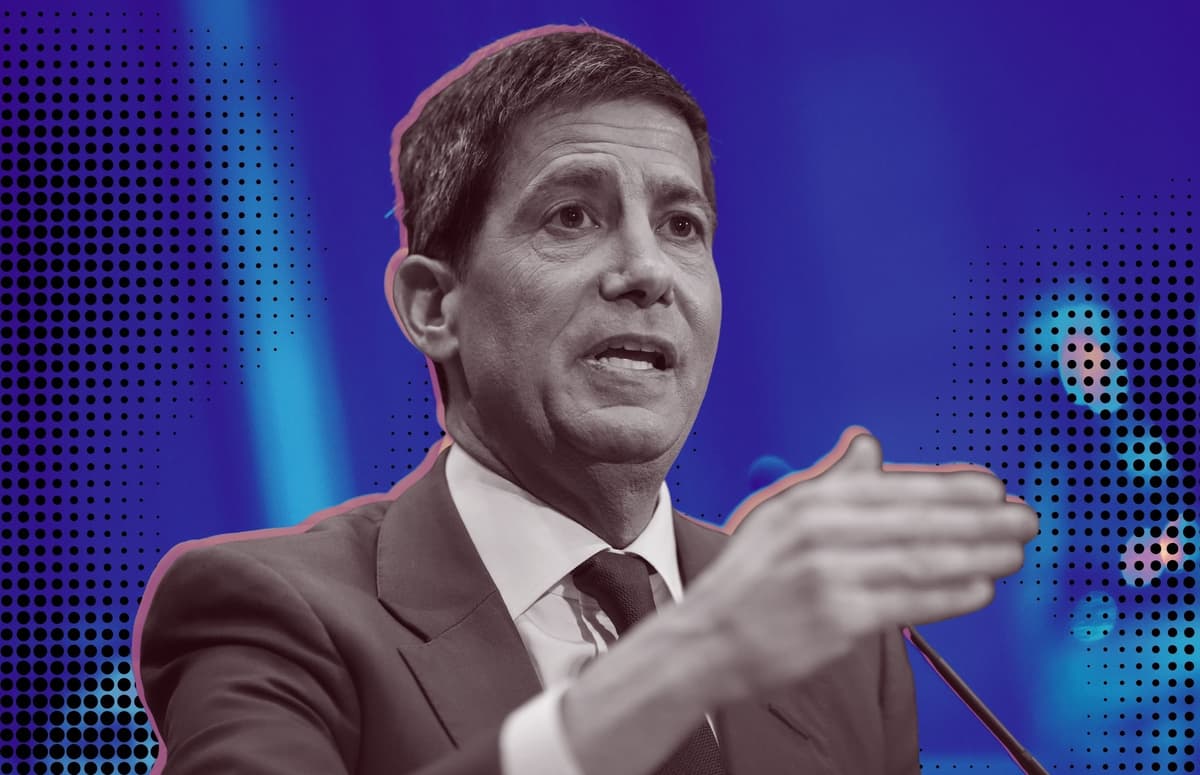
Senate Confirms Kevin Warsh as the New Federal Reserve Chair — Here’s What This ‘Regime Change’ Will Mean
Why It Matters
Warsh’s appointment could steer monetary policy toward tighter conditions, reshaping inflation expectations and financial markets. The dual‑leadership dynamic with Powell staying on board adds uncertainty to the Fed’s decision‑making process.
Key Takeaways
- •Kevin Warsh confirmed Fed chair 54‑45, replacing Jerome Powell.
- •Rising energy prices from Iran conflict push inflation higher, limiting cuts.
- •Market now expects possible rate hikes in 2027 rather than cuts.
- •Powell stays as governor until 2028, creating potential leadership overlap.
Pulse Analysis
Kevin Warsh’s ascension to the Federal Reserve’s helm marks a notable shift in U.S. monetary policy leadership. A former Wall Street executive with a reputation for market‑oriented thinking, Warsh has pledged a "regime change" that could prioritize price stability over the accommodative stance seen under Jerome Powell. His background in investment banking and experience on the Fed’s board suggest a more data‑driven, perhaps hawkish, approach, especially as the central bank grapples with external shocks that have reignited inflationary pressures.
The macroeconomic backdrop is increasingly complex. Energy price spikes linked to the ongoing Iran conflict have lifted headline inflation, eroding the case for the rate‑cut optimism that dominated early 2026. While the labor market remains resilient, wage growth is moderating, leaving the Fed with a delicate balancing act between curbing price gains and sustaining employment. Market participants have adjusted expectations, now pricing in a higher probability of rate hikes in 2027 rather than the previously anticipated easing cycle. This shift underscores the heightened sensitivity of financial markets to Fed signaling and the importance of clear communication from the new chair.
Warsh’s tenure will also be defined by the unusual overlap with Jerome Powell, who will remain a governor until 2028. This dual‑leadership scenario could lead to internal policy debates, potentially slowing consensus or, conversely, fostering a more measured transition. Investors will watch closely for any divergence in public statements, as mixed messages could amplify market volatility. Overall, Warsh’s leadership is poised to influence not only interest‑rate trajectories but also broader expectations about the Fed’s commitment to taming inflation, with ripple effects across equities, bonds, and the global currency markets.
Senate Confirms Kevin Warsh as the New Federal Reserve Chair — Here’s What This ‘Regime Change’ Will Mean
Comments
Want to join the conversation?
Loading comments...