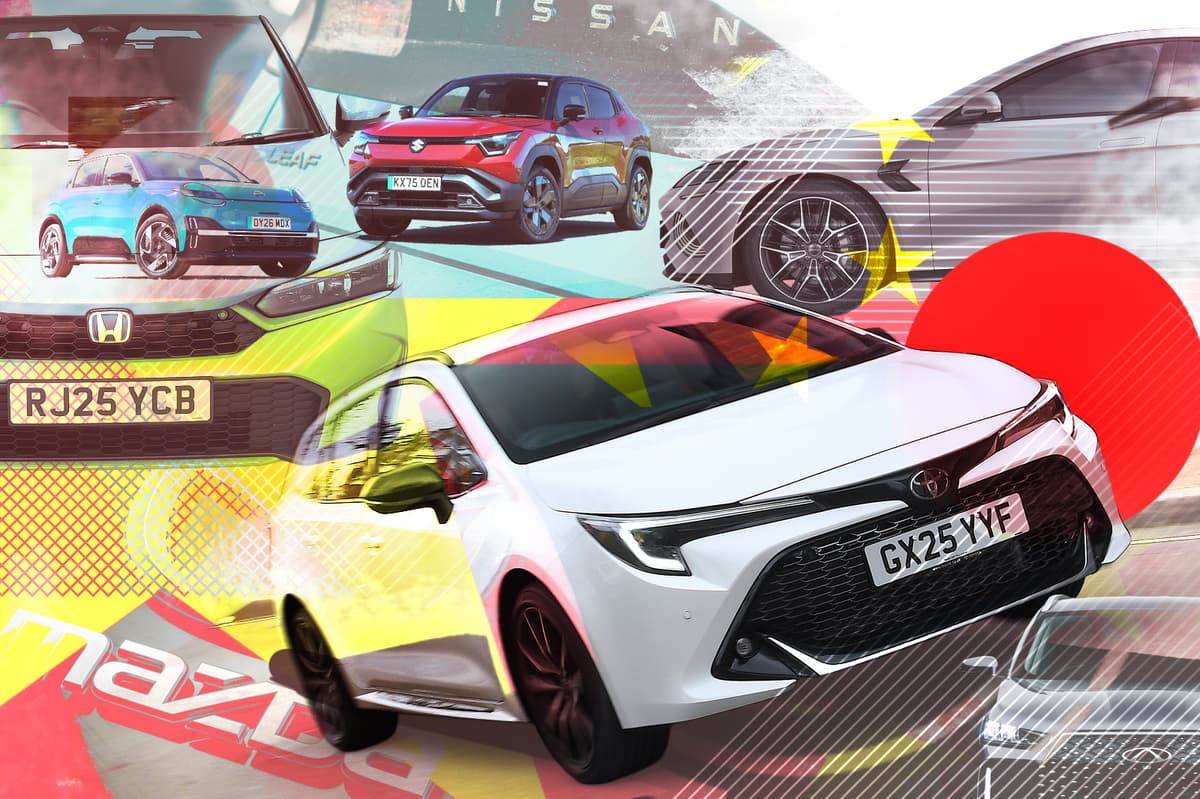
Setting Sun: Japan's Car Makers Deprioritise Europe as China Races In
Companies Mentioned
Why It Matters
The pull‑back erodes Japan's historic foothold in Europe, reshapes competitive dynamics and accelerates Chinese dominance in a market racing toward electrification.
Key Takeaways
- •Nissan may lease or sell Sunderland line to Chinese firm Chery.
- •Japanese market share in UK fell to 9.3%, Chinese rose to 17.3%.
- •Toyota alone earned $1.9 billion profit in Europe, outpacing peers.
- •Japanese EV sales under 5% vs Chinese 44% plug‑in hybrid share.
- •Partnerships with Renault, Toyota, and Chinese JV drive Japanese Europe presence.
Pulse Analysis
Japanese automakers are confronting a stark reality in Europe as Chinese manufacturers capture market share previously held by Nissan, Honda and Mitsubishi. Nissan’s plan to hand a Sunderland production line to Chery reflects a cost‑cutting move prompted by dwindling sales; the UK market illustrates the shift, with Japanese volumes slipping to 9.3% while Chinese brands command 17.3% of new‑car registrations. The trend is not limited to the UK – across the continent Japanese overall market share hovers around 12.6%, but electric vehicle penetration is a mere 4.6% compared with Chinese players nearing half of the plug‑in hybrid segment.
The underlying causes are both strategic and technical. Japanese models have traditionally been engineered for domestic preferences, leaving them misaligned with Europe’s stringent emissions standards and the rapid transition to electrification. While Toyota has managed to stay relevant through Europe‑focused hybrids such as the Yaris Cross and Aygo X, its peers lack comparable EV line‑ups, forcing them to lean on external partners. Alliances with Renault, as well as joint‑venture arrangements with Chinese firms like Chery and Changan, now supply the underpinnings for new electric and hybrid offerings, allowing Japanese brands to maintain a presence without heavy capital investment.
For the industry, the implications are profound. A continued Japanese retreat could consolidate Chinese dominance, reshaping supply chains, dealer networks and after‑sales services across Europe. Meanwhile, Toyota’s ability to sustain profitability – roughly $1.9 billion last year – may set a benchmark for how scale, localized product development and a balanced hybrid‑EV portfolio can protect market share. Competitors will need to evaluate whether deeper collaborations with Chinese technology partners or accelerated in‑house EV development represent the most viable path to retain relevance in Europe’s fast‑evolving automotive landscape.
Setting sun: Japan's car makers deprioritise Europe as China races in
Comments
Want to join the conversation?
Loading comments...