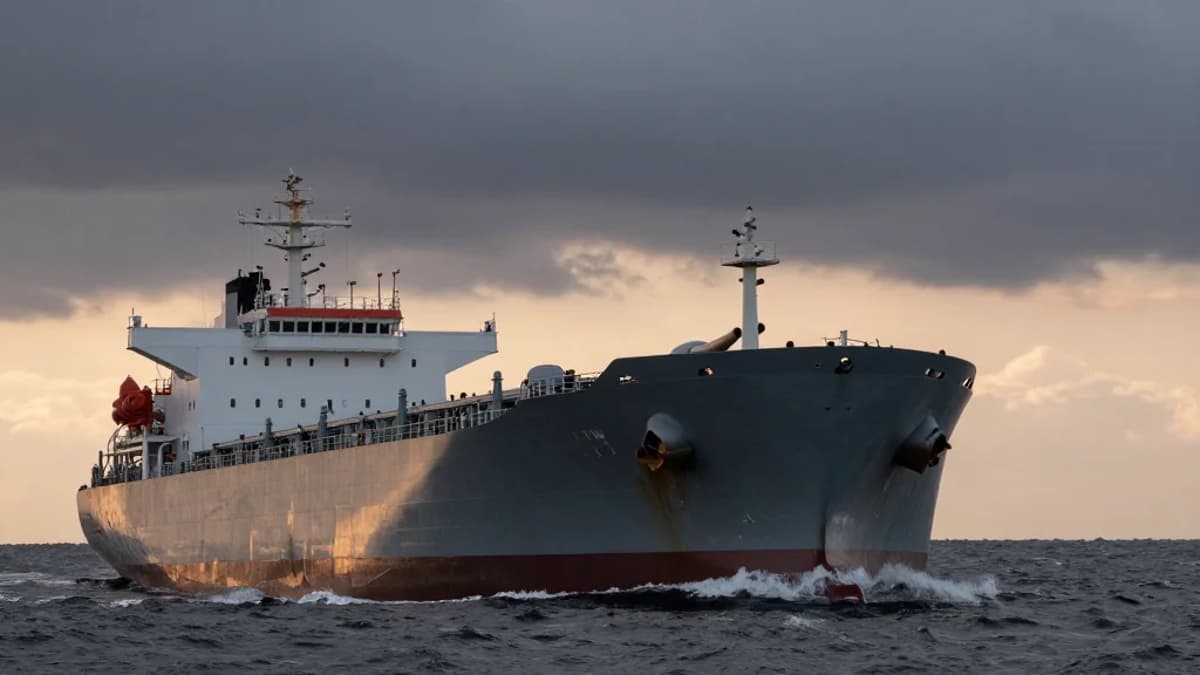
Skuld P&I Cancels War Risk Cover in Mideast Gulf
•March 1, 2026
0
Why It Matters
The decision underscores a tightening war‑risk insurance market, raising operational costs and uncertainty for ships transiting the strategic Strait of Hormuz and potentially disrupting global oil flows.
Key Takeaways
- •Skuld ends war risk cover in Gulf, Oman.
- •Cancellation effective 5 March after 72‑hour notice.
- •Reinsurers reducing war risk capacity amid Iran tensions.
- •Other P&I, FD&D coverage remains unchanged.
- •Potential shipping cost rise through Strait of Hormuz.
Pulse Analysis
The Strait of Hormuz remains one of the world’s most vital chokepoints, funneling roughly a fifth of global oil shipments. Recent escalations—US and Israeli strikes on Iranian targets followed by Tehran’s missile and drone attacks—have amplified the perceived threat to commercial vessels. War‑risk insurance, traditionally a safety net for such high‑hazard routes, now faces heightened scrutiny as insurers reassess exposure limits, prompting providers like Skuld to withdraw coverage to protect their balance sheets.
Marine insurers and reinsurers are reacting to the heightened volatility by tightening underwriting standards and pulling capacity from war‑risk lines. This contraction forces shipowners to seek alternative risk‑transfer mechanisms, such as captive insurance programs or higher deductibles, which can erode profit margins. The broader market impact includes premium spikes for remaining war‑risk policies and a potential shift toward self‑insurance, especially for larger operators with the financial bandwidth to absorb losses.
For the shipping industry, the loss of war‑risk cover translates into operational and financial challenges. Vessel operators may reroute vessels around the Gulf, incurring longer transit times and higher fuel costs, or they may accept the elevated risk without insurance, exposing themselves to catastrophic loss. Freight forwarders and oil traders could see freight rates rise as carriers price in the added uncertainty. In the longer term, sustained insurer withdrawal could incentivise diplomatic efforts to de‑escalate tensions, as stable insurance markets are essential for uninterrupted maritime trade.
Skuld P&I cancels war risk cover in Mideast Gulf
0
Comments
Want to join the conversation?
Loading comments...