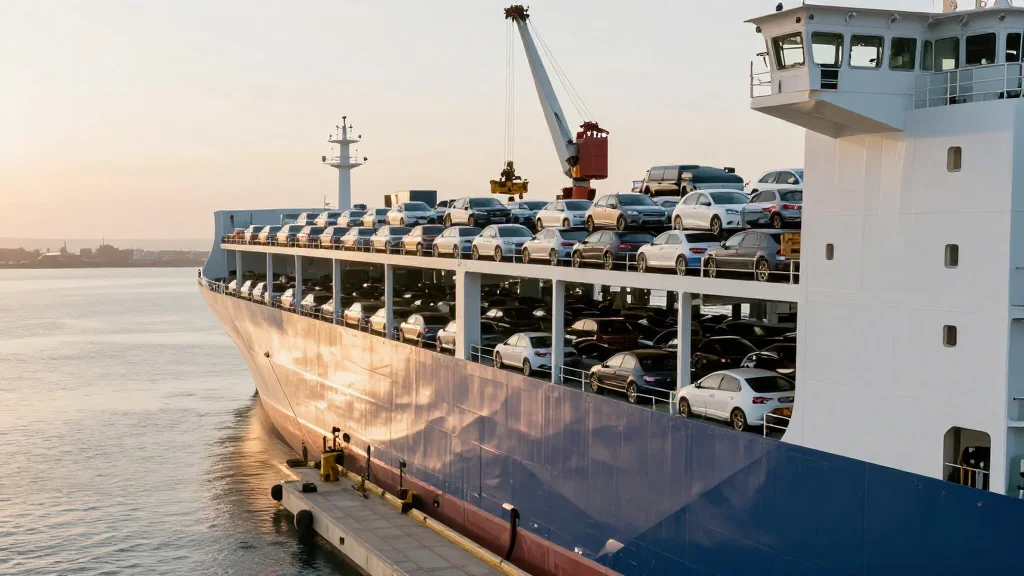
Sleepy Lamu Port Slowly Awakens as an Alternative Gateway to East Africa
Why It Matters
By providing a reliable alternative to congested Gulf routes, Lamu is strengthening supply‑chain resilience and generating new revenue streams for Kenya’s logistics sector. Its emergence reshapes regional trade patterns and could cement the country’s role in global maritime corridors.
Key Takeaways
- •Lamu port handled 102 vessels in first four months 2024.
- •Vessel calls rose to 34 in April, highest since conflict began.
- •Over 6,000 high‑end vehicles diverted to Lamu from Gulf routes.
- •Deep‑water berths accommodate ultra‑large ships unavailable at Mombasa.
- •Port revenue expected to surge as logistics services expand.
Pulse Analysis
The war in the Middle East has exposed the fragility of traditional shipping lanes, prompting carriers to seek alternative ports that can handle larger drafts and cargo volumes. Lamu, inaugurated in 2021 with a $2.5 billion investment, was built with 400‑metre quays and an 18‑metre depth precisely to attract ultra‑large vessels. While the port recorded only a handful of calls in its early years, the current geopolitical climate has turned it into a critical node for rerouted traffic, especially for high‑value automotive consignments destined for the Gulf.
April’s record 34 vessel calls and the arrival of pure car carriers such as MV Grande Auckland underscore Lamu’s newfound relevance. The influx of more than 6,000 luxury and heavy‑duty vehicles has spurred demand for on‑site storage, ground‑handling, and inland distribution services, creating immediate revenue boosts from port fees and ancillary logistics contracts. Local businesses are rapidly scaling operations to meet the surge, while Kenya’s ports authority reports a sharp rise in cargo tonnage, positioning Lamu as a complementary hub to the historically dominant Port of Mombasa.
Looking ahead, Lamu’s sustained growth hinges on whether the current conflict‑driven traffic can translate into long‑term market share. If shippers recognize the port’s operational efficiencies and cost advantages, Lamu could become a permanent fixture in East African supply chains, attracting further foreign investment and reinforcing Kenya’s strategic standing in global maritime networks. However, maintaining infrastructure quality, streamlining customs procedures, and ensuring security will be essential to lock in this momentum beyond the current geopolitical cycle.
Sleepy Lamu port slowly awakens as an alternative gateway to East Africa
Comments
Want to join the conversation?
Loading comments...