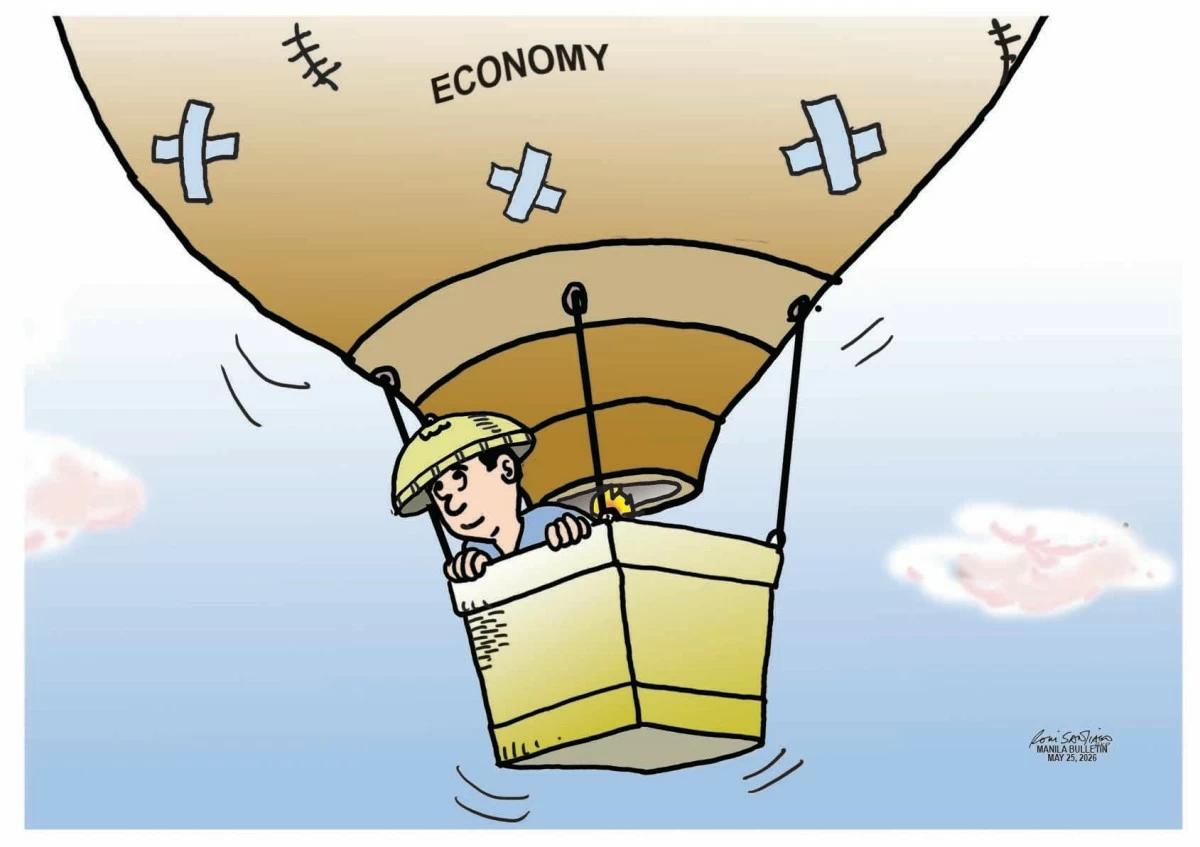
Steadying the PH Economy Amid Gathering Headwinds
Why It Matters
The country's capacity to manage energy costs and political instability will directly affect foreign investment flows and inflation, shaping the broader Southeast Asian growth outlook.
Key Takeaways
- •Philippines' growth hinges on energy security and renewable investments.
- •Political volatility threatens investor confidence and credit ratings.
- •Infrastructure projects with high multipliers boost jobs and competitiveness.
- •Food security measures mitigate inflation from rising fuel costs.
- •Fiscal prudence essential to maintain banking stability and debt manageability.
Pulse Analysis
The Philippine economy entered 2026 on a relatively strong footing, supported by a youthful labor force, robust remittance inflows, and a government‑driven infrastructure agenda. These fundamentals have insulated the nation from many regional downturns, allowing consumer spending to stay resilient even as neighboring markets slowed. Yet the country’s heavy reliance on imported oil makes it vulnerable to external shocks, and the simmering conflict in the Middle East threatens to push global fuel prices higher, reviving inflationary pressures that could erode recent gains.
Policy makers are now faced with a quartet of priorities. First, securing energy supplies through accelerated renewable projects, LNG terminals, and regional power grids will reduce exposure to volatile oil markets. Second, focusing infrastructure spending on high‑multiplier assets—such as transport corridors, digital networks, and disaster‑resilient facilities—can sustain job creation while enhancing long‑term competitiveness. Third, bolstering food security via mechanized agriculture, cold‑storage logistics, and irrigation will help contain price spikes driven by higher transport costs. Finally, maintaining fiscal prudence and clear regulatory signals is essential to preserve the Philippines’ solid banking fundamentals and favorable credit ratings, especially amid domestic political turbulence.
For investors, the stakes are clear: a stable, reform‑oriented government can keep the Philippines attractive amid a fragmented global economy, while prolonged political gridlock could trigger capital outflows and higher borrowing costs. Regional peers are watching closely, as the ability to combine stability with adaptability may become the defining factor for growth leadership in Southeast Asia over the next decade. The Philippines’ next two years will test not only its economic resilience but also the political will to implement the reforms needed for sustained prosperity.
Steadying the PH economy amid gathering headwinds
Comments
Want to join the conversation?
Loading comments...