Supply Chains Brace for Renewed Turbulence as Supreme Court Strikes Down Trump Tariffs
•February 20, 2026
0
Companies Mentioned


Why It Matters
The decision clarifies presidential limits on tariff power, but the mix of pending refunds and fresh tariff measures keeps supply‑chain costs and planning in flux.
Key Takeaways
- •Court invalidates $175B IEEPA tariffs, refunds pending.
- •Ports ready, but new 10% tariff adds volatility.
- •Section 232, 301 duties remain, sustaining tariff exposure.
- •Refund process shifts to Trade Court, could delay relief.
- •Potential commodity tariffs may extend uncertainty to 2026.
Pulse Analysis
The Supreme Court’s interpretation of IEEPA marks a rare judicial check on executive trade policy, reinforcing the constitutional principle that only Congress can levy duties. By striking down the Trump‑era emergency tariffs, the Court not only removes a massive $175 billion cost burden but also forces the Treasury and Customs to devise a refund mechanism. Legal scholars note that the ruling may set a precedent for future challenges to unilateral trade actions, prompting policymakers to reassess the balance between national security concerns and statutory authority.
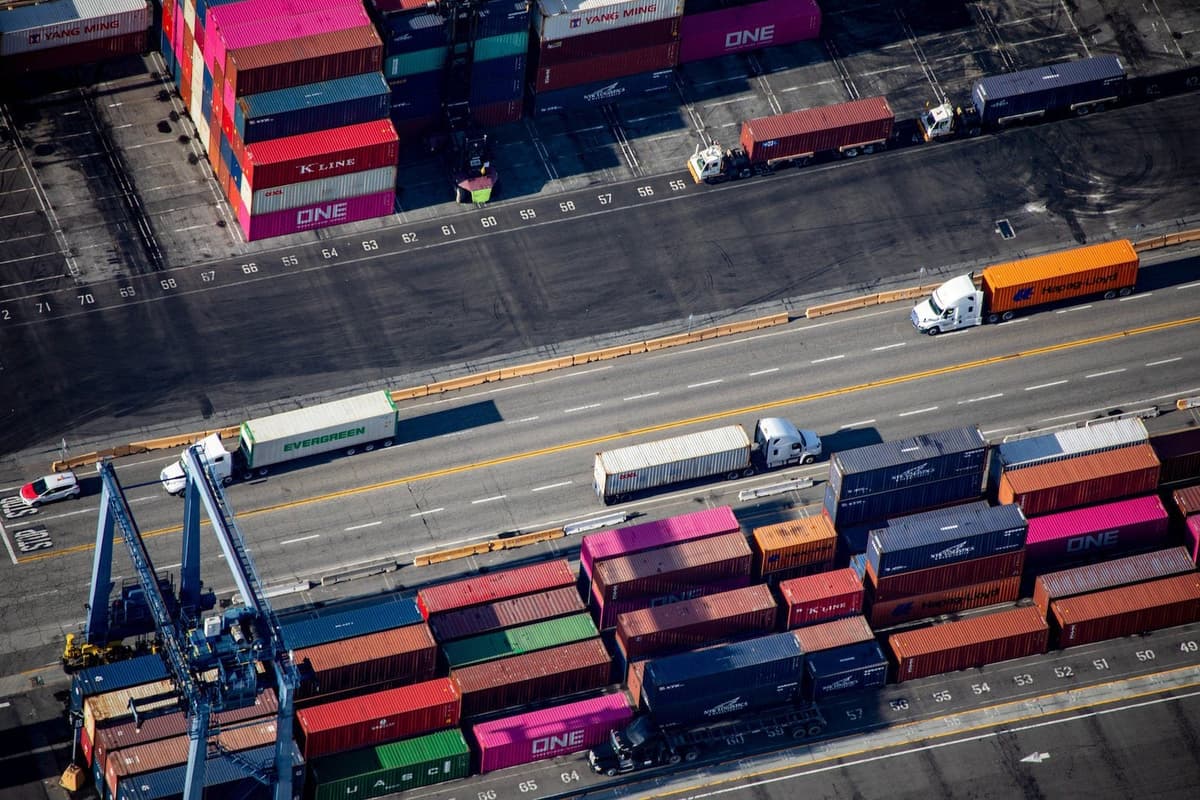
On the ground, ports such as Los Angeles are scrambling to adjust operations amid a dual shock: the prospect of large‑scale refunds that could trigger a sudden import surge, and the administration’s immediate rollout of a 10 % tariff under Section 122 of the Trade Act. Freight forwarders anticipate heightened volatility in container volumes, while carriers brace for price fluctuations in transborder shipping. Market participants are closely watching the Court of International Trade’s timeline for refund adjudication, as delays could strain small‑business cash flows and extend the sourcing paralysis that plagued 2025.
Looking ahead, the tariff landscape remains fragmented. Section 232 and Section 301 duties persist, and officials hint at commodity‑based tariffs that could extend uncertainty through 2026. Companies are advised to diversify sourcing, strengthen trade‑compliance teams, and engage in proactive lobbying for swift refund processes. By integrating scenario planning and flexible logistics contracts, firms can mitigate the risk of abrupt cost spikes and maintain resilience in an era where legal rulings and policy shifts can rapidly reshape global supply chains.
Supply Chains Brace for Renewed Turbulence as Supreme Court Strikes Down Trump Tariffs
0
Comments
Want to join the conversation?
Loading comments...