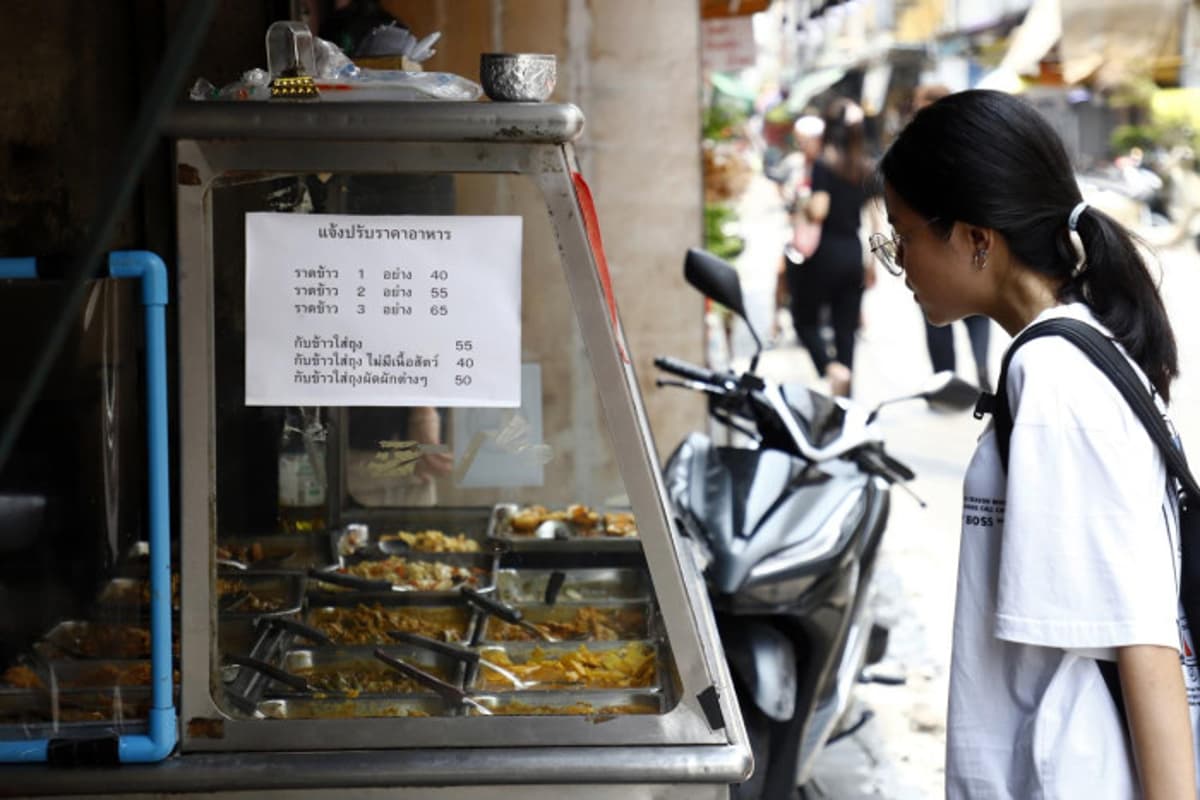
Thailand Exposed to Widening War Impact
Why It Matters
The downgrade highlights Thailand’s sensitivity to global energy shocks, affecting debt sustainability and investor confidence. Understanding these dynamics is crucial for investors targeting emerging‑market exposure amid volatile geopolitics.
Key Takeaways
- •Thailand imports 52% of energy from Middle East, heightening oil price exposure
- •IMF cut 2026 growth forecast to 1.5%, below regional peers
- •Household debt remains high; public debt at 66% of GDP
- •Asia Plus forecasts EPS 95 baht (~$2.6) and SET 1,580 by 2026
- •Suggested portfolio: 55% equities, 30% bonds, 15% alternatives for resilience
Pulse Analysis
Thailand’s economic outlook has taken a sharp turn as the protracted Middle East conflict pushes global oil prices higher. With more than half of its energy imports sourced from the Gulf, the kingdom faces a direct transmission of price volatility into domestic inflation and consumer purchasing power. The IMF’s recent revision of Thailand’s 2026 GDP growth to 1.5% underscores the fragility of its external balance, especially as household debt stays elevated and public debt climbs to roughly 66% of GDP.
Against this backdrop, Asia Plus Group identifies pockets of opportunity amid the macroheadwinds. The firm projects earnings per share of 95 baht (about $2.6) for listed companies by 2026 and targets the Stock Exchange of Thailand at 1,580 points, suggesting that resilient sectors—technology, AI, semiconductors, tourism, and consumer goods—could outpace broader market weakness. The broker notes a resurgence of fund inflows into emerging markets, indicating that capital is still seeking yield despite heightened risk, provided investors can pinpoint high‑quality assets with strong cash‑flow generation.
Strategically, the recommended allocation blends 55% equities, 30% fixed income, and 15% alternatives, aiming to cushion portfolios against oil‑driven cost spikes and geopolitical uncertainty. Investment advisors are shifting from pure product sales to holistic wealth planning, emphasizing diversification and risk‑adjusted returns. For market participants, the key lies in balancing exposure to growth‑oriented sectors while preserving capital through defensive holdings, a formula that could turn volatility into sustainable long‑term wealth in Thailand’s evolving economic landscape.
Thailand exposed to widening war impact
Comments
Want to join the conversation?
Loading comments...