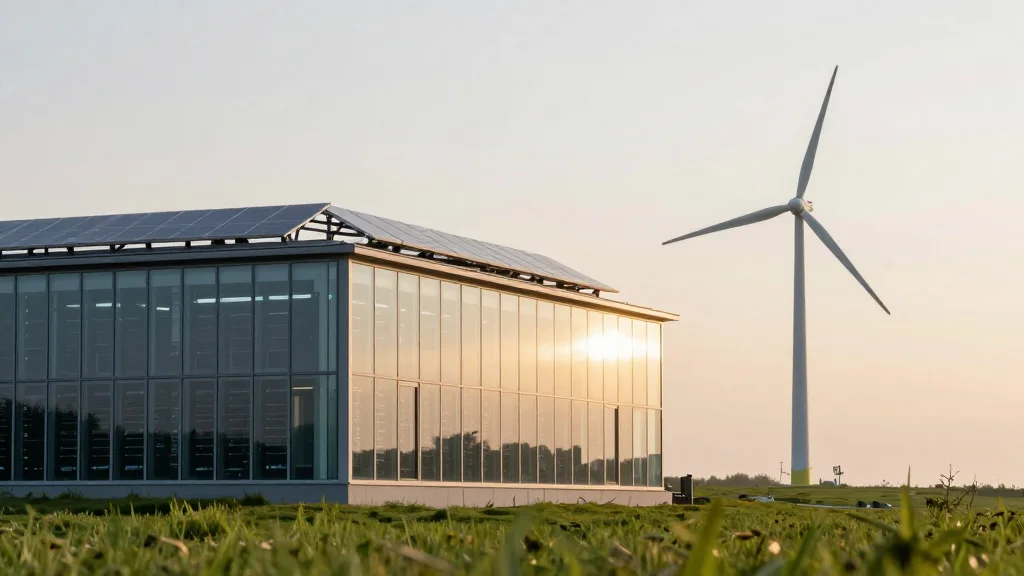
The EU's Path to Service Growth and Clean Tech
Why It Matters
A stronger EU services sector and clean‑tech base will safeguard competitiveness amid shifting US trade policies and energy price volatility.
Key Takeaways
- •EU services could double single‑market gains with deeper integration
- •Removing financial fragmentation unlocks €1.4 trillion savings pool
- •Clean‑tech investments cut EU energy import bills dramatically
- •IPCEIs and Innovation Fund mobilize €38 billion for green projects
- •US protectionism may erode its global services advantage
Pulse Analysis
The transatlantic trade landscape is being reshaped by Washington’s push for manufacturing self‑sufficiency and a retreat from climate leadership. This creates a window for Europe to capture a larger share of the global services market, especially in finance, digital, and legal sectors. By eliminating non‑tariff barriers and fully exploiting the Savings and Investment Union, the EU can channel its massive household savings into cross‑border ventures, enhancing liquidity, fostering innovation, and narrowing the services trade gap with the United States.
Simultaneously, Europe’s energy security hinges on a decisive shift toward clean technologies. With LNG imports accounting for half of EU supply and prices far exceeding U.S. levels, renewable generation offers a cost‑effective alternative. Declining levelised costs for on‑shore wind and solar, combined with coordinated funding mechanisms such as IPCEIs, the Innovation Fund, and the upcoming European Competitiveness Fund, enable large‑scale projects that lower import bills and stabilize electricity prices for households and industry alike.
Strategic policy coordination is essential to translate these opportunities into lasting competitiveness. Harmonised competition rules, robust state‑aid frameworks, and a unified funding pool mitigate fiscal asymmetries among member states, ensuring that the most promising clean‑tech initiatives receive support regardless of location. By marrying deeper services integration with aggressive clean‑tech investment, the EU can turn current vulnerabilities into a resilient, autonomous economic engine poised for the next decade of global trade.
The EU's path to service growth and clean tech
Comments
Want to join the conversation?
Loading comments...