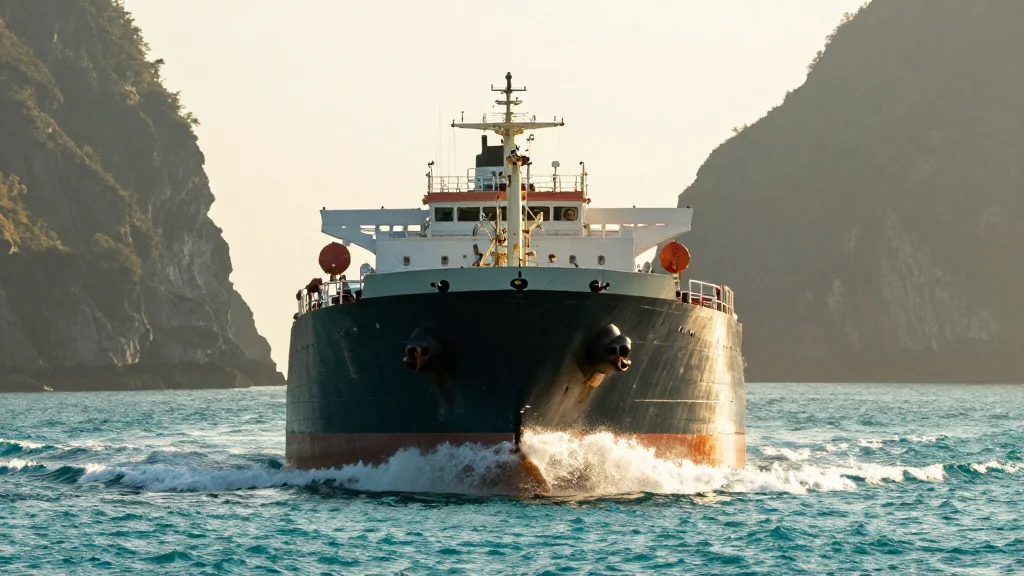
The Global Energy Crisis and Its Impacts on Asian Emerging Economies
Why It Matters
The crisis threatens growth and inflation in fast‑growing Asian markets, testing their energy security and fiscal resilience.
Key Takeaways
- •20% of global oil and LNG flow through Gulf chokepoint
- •90% of that volume supplies Asian markets
- •Freight, insurance, and scarcity raise import costs for emerging economies
- •Limited fiscal space forces trade‑offs between affordability and energy security
- •Prompt policy actions can mitigate macro‑economic instability
Pulse Analysis
The Strait of Hormuz remains the world’s most critical energy artery, moving roughly one‑fifth of global crude oil and a similar share of LNG. The International Energy Agency notes that nearly nine‑tenths of that volume fuels Asian economies, making the region uniquely vulnerable to interruptions. Recent geopolitical tensions have sparked vessel rerouting, heightened naval presence, and sporadic shutdowns, creating a tangible supply squeeze. While Brent prices capture headline spikes, the real story for policymakers lies in cargo availability and a logistics cost curve now at unprecedented levels.
For emerging markets across Southeast and South Asia, the shock is more than a price issue. Higher freight charges, soaring marine insurance premiums, and limited tanker availability are inflating the landed cost of every barrel and every million British thermal units of LNG. Thin fiscal buffers make subsidies for electricity and transport untenable. Power grids dependent on imported coal or gas face potential curtailments, forcing utilities to choose between load shedding and costly fuel imports. The pressure threatens inflation targets, current‑account balances, and growth trajectories.
Policy agility will decide whether the disruption is a blip or a structural setback. Nations with strategic petroleum reserves, diversified pipeline routes, and accelerated renewable investments are better positioned to cushion the blow. Regional cooperation on insurance pooling and joint freight contracts can also lower transaction costs. Analysts warn that a six‑month Gulf impasse could widen sovereign spreads for debt‑laden economies, prompting credit‑rating reassessments. Ultimately, the crisis highlights the urgency for Asian emerging economies to decouple growth from volatile fossil‑fuel imports.
The global energy crisis and its impacts on Asian emerging economies
Comments
Want to join the conversation?
Loading comments...