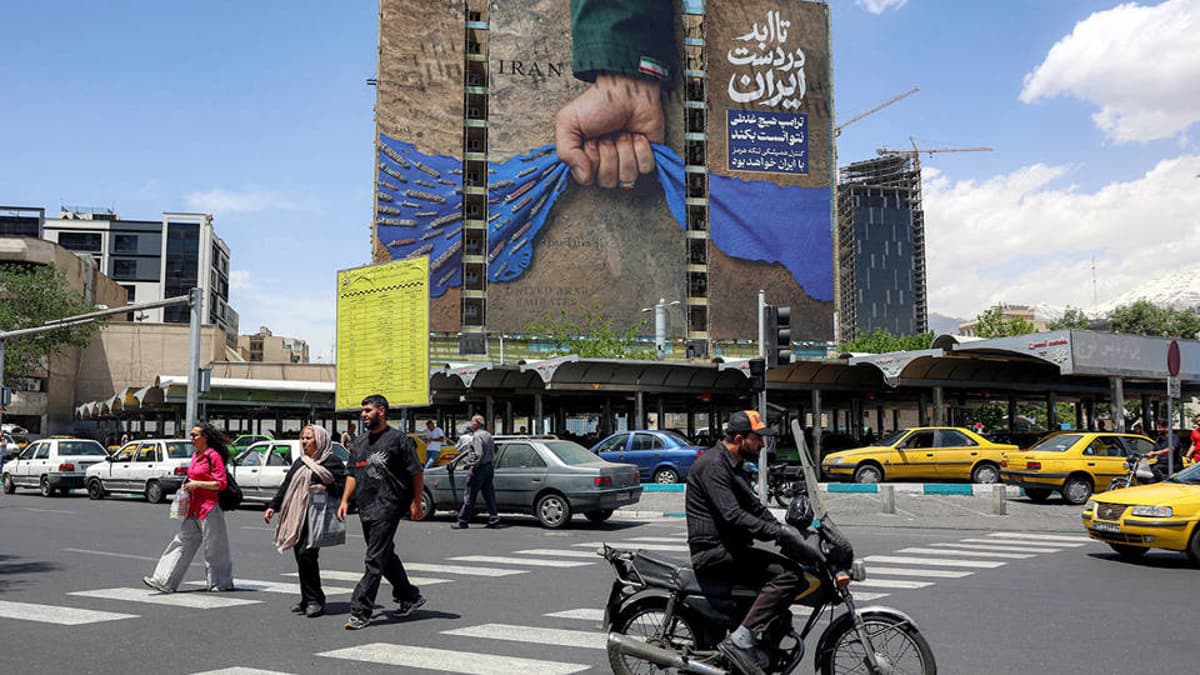
The Iran Standoff and the Future of Oil
Why It Matters
A shift in oil pricing directly affects global inflation, corporate earnings, and investment strategies, while the fallout for private‑equity firms highlights the risk of geopolitically‑driven bets. Understanding these dynamics is essential for investors and policymakers navigating energy volatility.
Key Takeaways
- •Iran's resilience could force oil prices below $70 per barrel
- •US private‑equity funds risk losses from war‑driven energy bets
- •White House declared war “over,” but diplomatic tensions remain
- •Market volatility may shift capital toward renewable investments
Pulse Analysis
The Iran‑U.S. standoff, now in its tenth week, has resurfaced the age‑old link between geopolitics and oil markets. While the White House announced the three‑day war was "over," Tehran continues to leverage its regional influence, keeping the Strait of Hormuz—through which roughly 20% of global oil passes—under close watch. Historically, such tensions have spurred price spikes; however, the current trajectory suggests a reversal, with analysts forecasting Brent crude slipping into the low‑70s, a level not seen since early 2023. This price movement reflects both a potential de‑escalation and market anticipation that Iran will secure concessions without sustaining a prolonged conflict.
The immediate fallout is most palpable among U.S. private‑equity firms that loaded portfolios with oil‑related assets during the escalation. These investors counted on sustained price premiums to boost returns, but a rapid decline threatens to wipe out projected earnings and could trigger forced asset sales. The sector’s exposure underscores a broader lesson: geopolitical bets, while lucrative, carry heightened downside risk when diplomatic outcomes shift abruptly. Fund managers are now reassessing risk models, incorporating scenario‑based stress tests that factor in swift policy reversals and regional power plays.
Beyond the financial arena, the evolving situation may accelerate a strategic pivot toward renewable energy investments. As oil price volatility erodes confidence in fossil‑fuel stability, institutional investors are increasingly allocating capital to clean‑tech and ESG‑aligned projects. Policymakers, too, are watching the market closely, recognizing that energy security now hinges not only on supply diversification but also on reducing dependence on geopolitically volatile regions. The Iran standoff thus serves as a catalyst, prompting a re‑examination of energy portfolios and a faster transition toward sustainable alternatives.
The Iran Standoff and the Future of Oil
Comments
Want to join the conversation?
Loading comments...