The Iran War Proves that U.S. Economic Coercion Is Weakening
Why It Matters
Diminished sanctions effectiveness threatens U.S. strategic influence and raises domestic political risk from rising energy costs.
Key Takeaways
- •Iran circumvents sanctions via shadow fleets and Chinese partnerships.
- •US oil price spikes hurt American consumers amid Hormuz disruption.
- •Multilateral coalition failure weakens US leverage in global finance.
- •Sanctions relief for Russia and Iran fails to curb fuel price rise.
- •Iran's toll demand on commercial ships signals new revenue strategy.
Pulse Analysis
The Iran conflict underscores a fundamental shift in the efficacy of U.S. sanctions. Since the 1979 revolution, Washington has relied on financial isolation to curb Tehran’s nuclear ambitions and regional activities. Yet Iran’s development of shadow shipping networks, home‑grown drone production, and deepening ties with China and Russia demonstrate a growing capacity to sidestep the Western banking system. This adaptability reduces the punitive impact of sanctions and forces the United States to confront a more resilient adversary that can sustain its war effort despite economic pressure.
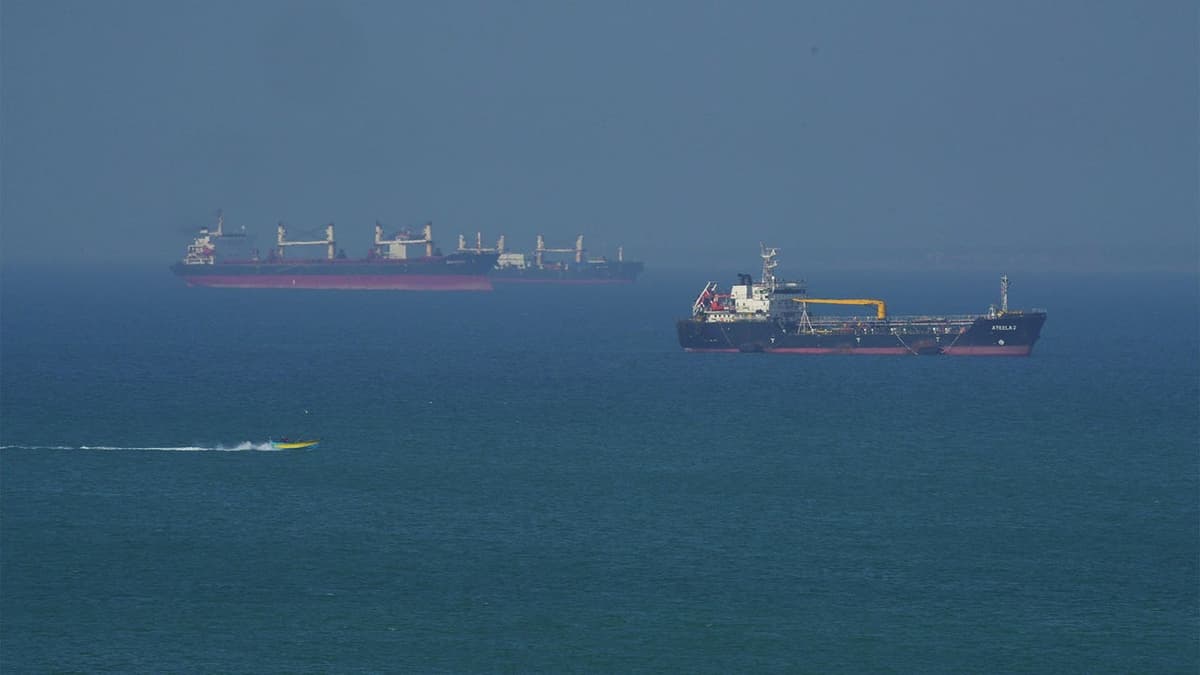
Energy markets have become the most immediate casualty of the sanctions stalemate. The closure of the Strait of Hormuz—one of the world’s busiest oil chokepoints—has driven crude prices higher, translating into steeper gasoline costs for U.S. motorists. Policymakers have attempted to blunt the shock by easing oil sanctions on Russia and Iran, but those concessions dilute the credibility of the sanctions regime while doing little to offset consumer price spikes. The resulting affordability squeeze adds a domestic political dimension to a foreign policy challenge, pressuring the administration to balance geopolitical goals against voter sentiment.
Beyond economics, the war reveals a broader erosion of U.S. leadership. The Trump administration’s failure to rally allies around a coordinated response highlights a loss of diplomatic goodwill that once amplified American financial clout. As rivals like China and Russia expand their influence, and middle powers such as Iran learn to navigate sanctions, the United States faces a strategic crossroads. Rebuilding multilateral partnerships and recalibrating coercive tools will be essential if Washington hopes to restore its ability to shape global behavior without incurring prohibitive costs at home.
The Iran war proves that U.S. economic coercion is weakening
Comments
Want to join the conversation?
Loading comments...