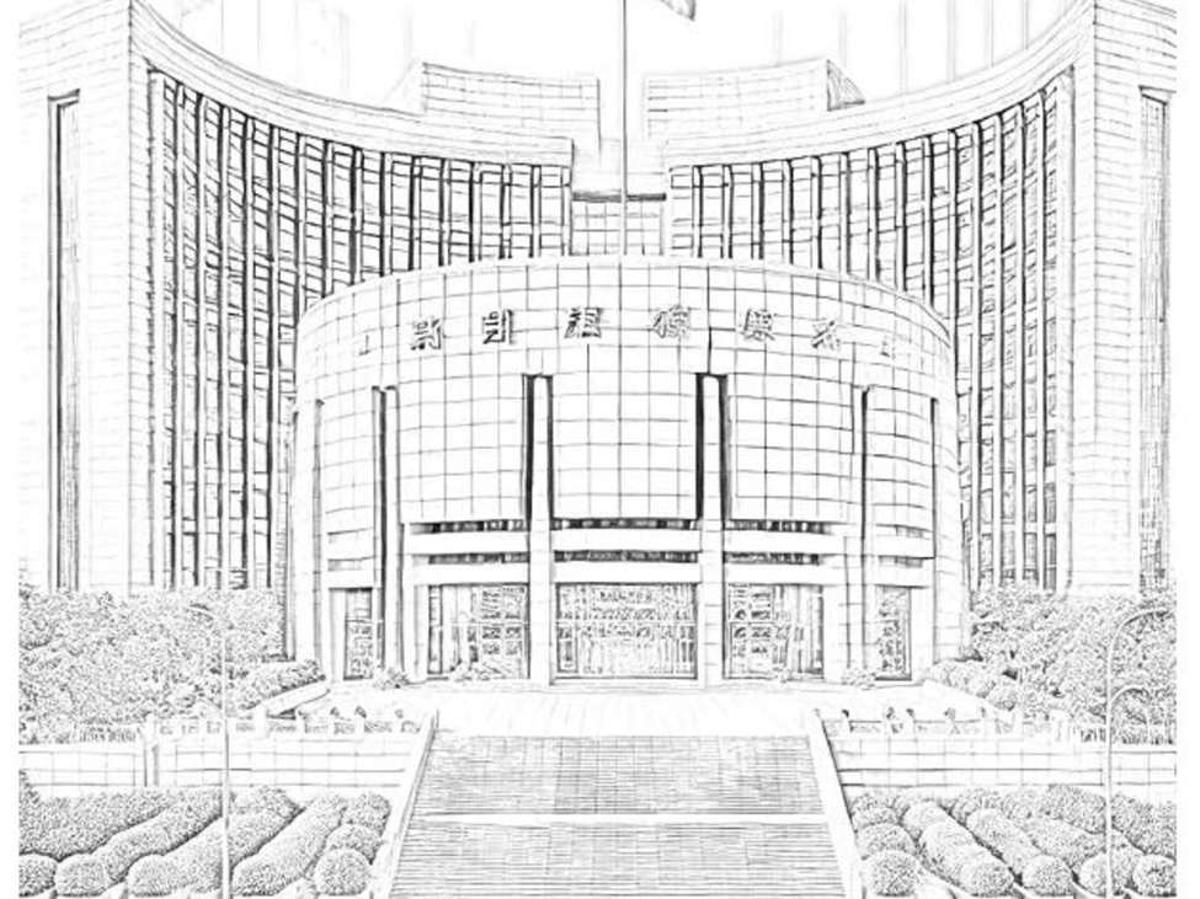
The People's Bank of China Set Its Loan Prime Rates (LPRs) Today - No Change Is Expected.
•February 22, 2026
0
Why It Matters
Holding the LPR signals the PBOC’s reliance on reverse‑repo operations to steer liquidity, while preserving bank profitability amid margin compression. This stance influences credit costs and the trajectory of China’s property‑linked lending.
Key Takeaways
- •1Y LPR stays at 3.00%, 5Y at 3.50%.
- •Ninth consecutive month of unchanged LPRs.
- •Reverse repo rate now primary policy benchmark at 1.4%.
- •Thin net interest margins pressure Chinese banks.
- •No rate cut expected despite property sector weakness.
Pulse Analysis
The Loan Prime Rate, once the headline indicator of China’s borrowing costs, has faded in prominence as the People’s Bank of China pivots to the 7‑day reverse repo rate for policy signaling. Since early 2022, the LPR has been trimmed intermittently to support a sluggish economy, but the latest decision to keep the one‑year at 3.00% and the five‑year at 3.50% for the ninth month in a row reflects a strategic shift. By anchoring the policy stance to the reverse repo, the central bank can fine‑tune liquidity without directly altering loan pricing, offering a more nuanced tool in a complex macro environment.
For commercial banks, the decision brings a mixed bag. On one hand, stable LPRs protect existing loan contracts from abrupt cost fluctuations, preserving borrower confidence. On the other, banks are grappling with historically thin net‑interest margins, a consequence of prolonged low‑rate conditions and heightened competition. Any further LPR reduction would erode these margins, potentially prompting tighter credit standards. Consequently, lenders are likely to focus on fee‑based services and risk‑adjusted pricing, especially in the mortgage segment where the five‑year LPR serves as a reference.
From a broader perspective, the unchanged LPR underscores the PBOC’s cautious outlook amid lingering property‑sector stress and uneven growth. By avoiding direct rate cuts, policymakers signal confidence that liquidity can be managed through market operations, reducing the risk of inflating asset bubbles. However, the persistent property slowdown may still pressure the central bank to consider targeted measures, such as differentiated funding rates or macro‑prudential tools, to sustain credit flow without reigniting a rate‑driven stimulus cycle.
The People's Bank of China set its Loan Prime Rates (LPRs) today - no change is expected.
0
Comments
Want to join the conversation?
Loading comments...