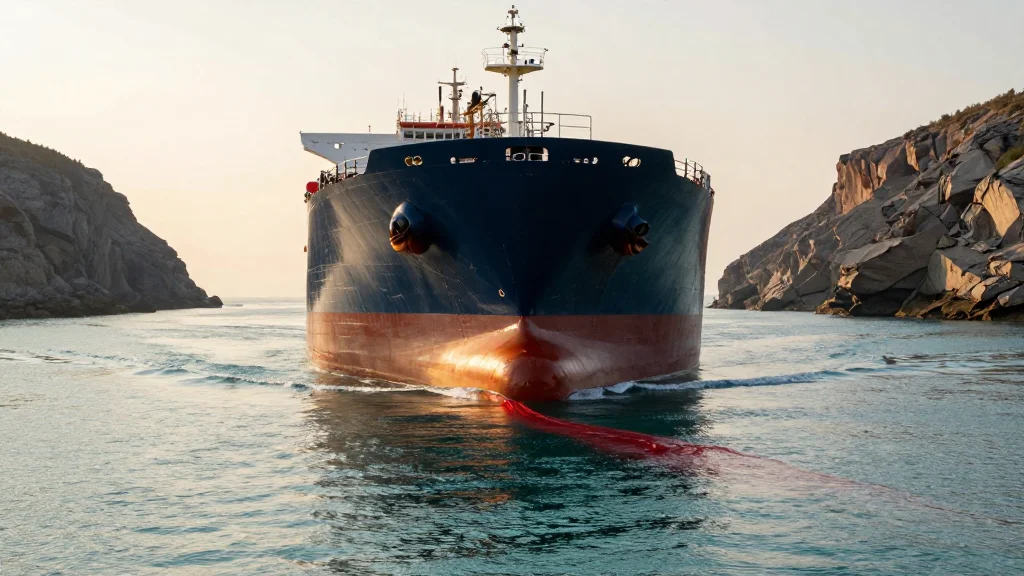
The Strait of Hormuz Closure Forces a Choice: Ration Oil Now or Pay a Steep Price Later
Companies Mentioned
Why It Matters
The disruption threatens a sustained global oil shortage, raising energy costs and forcing economies to curtail growth unless demand is managed now.
Key Takeaways
- •Strait closure cuts ~13% of global oil supply, Brent at $95/barrel.
- •Daily production outages over 13 million bpd; 1.3 million bpd from US blockade.
- •Subsidies blunt price signals, risk deeper shortages later.
- •Diesel rationing essential for Europe, US, China logistics.
- •Scrapping Jones Act could lower US diesel demand and improve resilience.
Pulse Analysis
The abrupt shutdown of the Strait of Hormuz has created an oil supply shock unlike any seen since the 1973 embargo. Kpler data shows daily outages topping 13 million barrels, with cumulative losses approaching 650 million barrels by the end of April. Brent crude has surged from sub‑$70 to roughly $95 per barrel, and strategic reserves are being drawn down at a pace that will force a rebound in demand once they are replenished. This physical disruption, affecting about 30% of global oil output, threatens to tighten markets for months, if not years.
Policymakers are weighing demand‑side tools, but the analysis warns that price caps, subsidies, or tax relief merely blunt the price signal that would otherwise curb consumption. Such measures can create a false sense of security, prompting premature inventory releases that later require a larger refill effort—an estimated extra 1.8 million barrels per day of demand over a year. Instead, targeted rationing—prioritizing essential sectors like food production and logistics—offers a more sustainable path. Diesel, the backbone of freight and long‑haul transport, is under particular stress; Europe, the United States, and China together account for the bulk of global diesel use, making demand‑destruction policies in these regions critical.
Implementation, however, must consider political realities. Gradual withdrawal of subsidies and modest price adjustments are more palatable than abrupt spikes that could spark unrest, as seen in Kazakhstan’s 2022 LPG subsidy removal. In the United States, revisiting the Jones Act could unlock more efficient coastal shipping, reducing diesel reliance for islands and remote regions. Europe can boost emergency rail freight capacity, while developing economies might expand public‑transport incentives. By combining measured price policies with physical rationing, governments can mitigate the immediate shock and preserve energy security for the longer term.
The Strait of Hormuz closure forces a choice: Ration oil now or pay a steep price later
Comments
Want to join the conversation?
Loading comments...