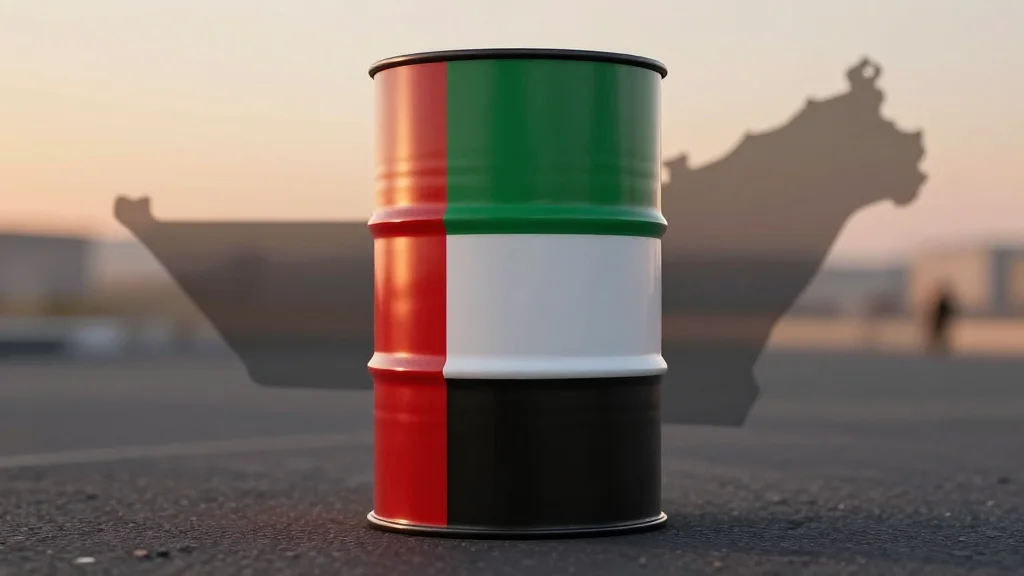
The United Arab Emirates Is Quitting OPEC Oil Cartel After Nearly 60 Years
Why It Matters
UAE’s departure weakens OPEC’s production‑control, potentially lowering prices but increasing volatility, and signals shifting Gulf geopolitics that could affect regional security and investment.
Key Takeaways
- •UAE exits OPEC on May 1, ending nearly 60‑year membership
- •Leaving frees spare capacity, allowing the UAE to boost output
- •Strait of Hormuz blockage limits immediate export gains
- •UAE‑Saudi tensions may reshape Gulf economic and security cooperation
- •Long‑term, OPEC’s market‑control weakens, likely increasing price volatility
Pulse Analysis
The United Arab Emirates announced its departure from OPEC effective May 1, ending a near‑six‑decade affiliation. The move is framed as aligning with the emirate’s long‑term strategic vision and its evolving energy mix, which includes a sizable spare‑capacity buffer that could be tapped once export routes normalize. By shedding the production quota imposed by the cartel, the UAE can theoretically increase crude output and capture higher margins, especially as the global shift toward renewables pressures traditional oil revenues.
The decision also reflects a widening rift between the UAE and Saudi Arabia, once the Gulf’s most cohesive partnership. Diverging interests in Yemen, competing tourism and investment drives, and differing stances on the Iran‑related conflict have strained ties. Analysts see the exit as a signal that the two economies may pursue separate geopolitical alignments, potentially reshaping regional security frameworks and cross‑border business initiatives. A fragmented Gulf could alter the balance of influence among Arab states and affect foreign‑direct investment flows.
Market reaction has been muted because the Strait of Hormuz remains partially blocked, capping the UAE’s ability to ship additional barrels. In the short term, oil prices—currently above $110 per barrel—showed little movement. Over the longer horizon, the loss of a major producer weakens OPEC’s ability to coordinate output, opening the door for more price volatility and possibly lower average prices as the UAE ramps up production. If other members follow suit, the cartel’s relevance could diminish, reshaping the global energy supply landscape.
The United Arab Emirates is quitting OPEC oil cartel after nearly 60 years
Comments
Want to join the conversation?
Loading comments...