The US-China Decoupling Fantasy, with Jessica Chen Weiss
Why It Matters
Decoupling would disrupt global supply chains and slow growth, making coordinated policy far more valuable than isolation. Understanding the limits of separation helps businesses and policymakers navigate the intertwined US‑China market.
Key Takeaways
- •China dominates critical mineral supply chains, limiting alternatives.
- •U.S. reliance on Chinese high‑tech chips persists despite policy pushes.
- •Middle powers like Japan and South Korea diversify supply chains more effectively.
- •Domestic social pressures constrain China’s long‑term strategic ambitions.
- •Full economic decoupling would damage both economies and global growth.
Pulse Analysis
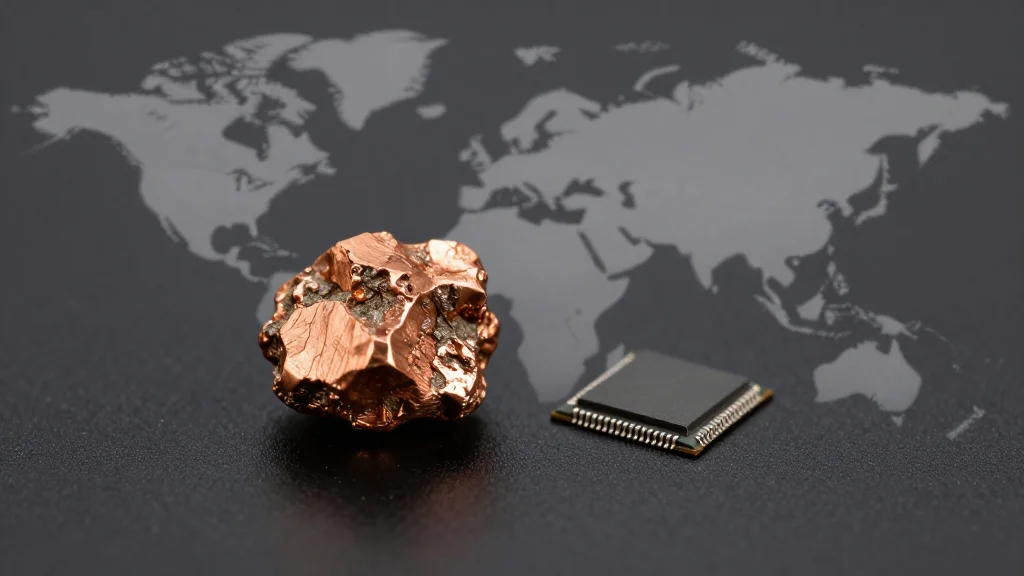
The United States and China have become economic super‑powers whose fortunes are tightly linked, despite political friction. China now controls a majority of the world’s rare‑earth and lithium supplies, while its semiconductor fabs produce a large share of the chips that power everything from smartphones to data centers. This interdependence means that any abrupt policy move to cut ties would reverberate through global manufacturing, inflating costs for consumers and eroding the competitive edge of firms that rely on cross‑border inputs.
Middle powers such as Japan, South Korea, and the European Union are quietly reshaping the supply‑chain landscape. By investing in domestic chip fabs, recycling critical minerals, and forging alternative trade agreements, they reduce vulnerability to a single source. The United States, by contrast, has struggled to match this pace, often relying on subsidies and strategic stockpiles rather than building a resilient ecosystem. This divergence underscores why the U.S. cannot simply out‑maneuver China through isolation; collaborative standards and diversified sourcing are more pragmatic routes to security.
China faces internal headwinds that temper its global ambitions. An aging population, rising inequality, and a tightening political climate constrain long‑term investment in innovation. Moreover, social unrest over environmental degradation and housing affordability diverts attention from aggressive export‑driven growth. These domestic challenges, combined with the economic costs of a full decoupling, suggest that a balanced, interdependent relationship—managed through diplomatic and commercial frameworks—remains the most viable path for both nations and the broader global economy.
The US-China decoupling fantasy, with Jessica Chen Weiss
Comments
Want to join the conversation?
Loading comments...