The U.S. Started the War. The Rest of the World Is Feeling the Effects.
Companies Mentioned

Royal Bank of Canada
Why It Matters
The divergence shows how a conflict can spare the initiator’s economy while destabilizing global supply chains and energy markets, heightening risks for emerging economies and overall growth.
Key Takeaways
- •Iran war disrupts textile production in India, Bangladesh
- •Flights grounded in Ireland, Poland, Germany due to fuel shortages
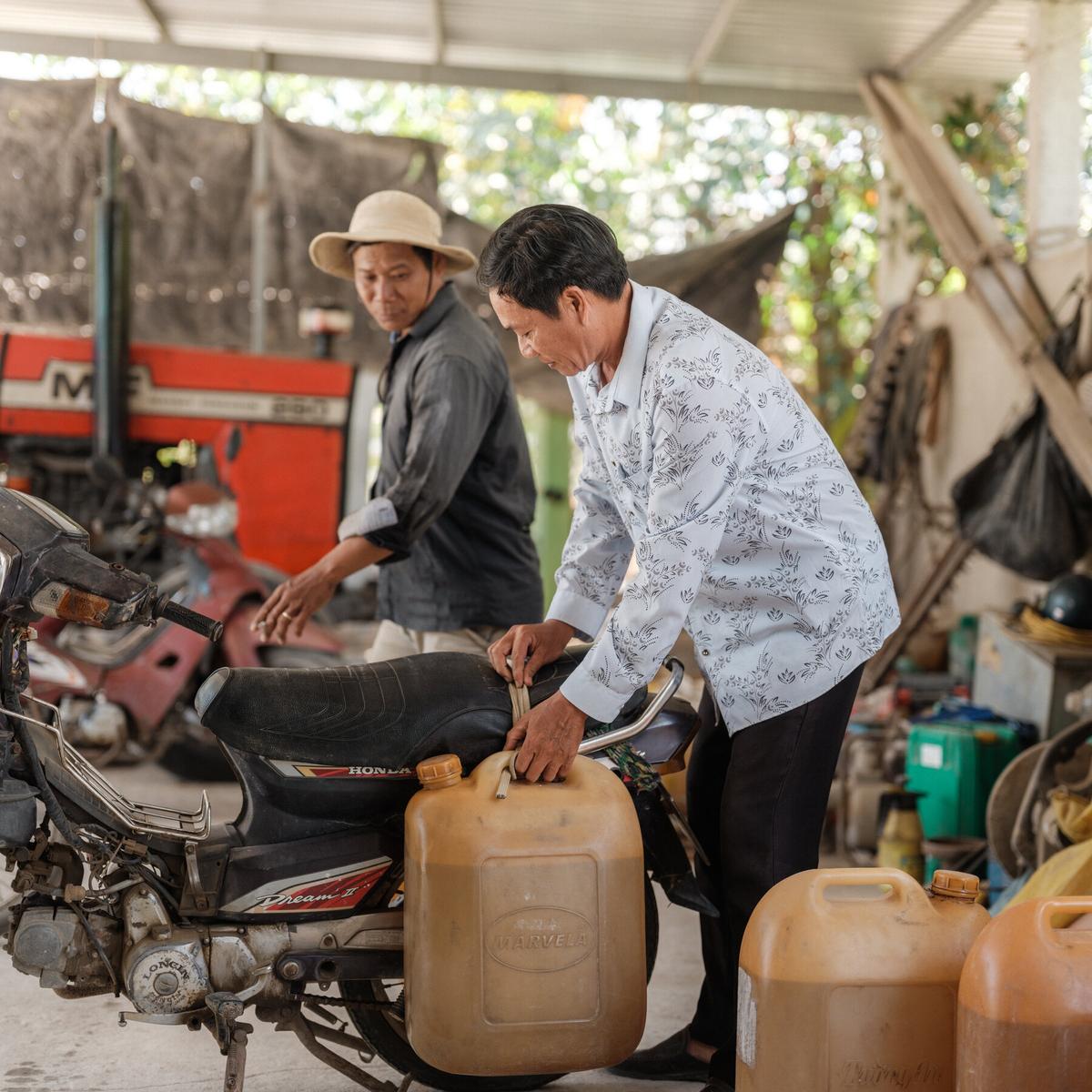
- •Energy rationing spreads to Vietnam, South Korea, Thailand
- •US economy shows steady growth, low unemployment amid crisis
- •UAE seeks US financial aid after Strait of Hormuz shutdown
Pulse Analysis
The eight‑week war sparked by the United States in Iran has quickly become a textbook case of how geopolitical flashpoints can reverberate through interconnected supply chains. Textile factories in India and Bangladesh—key exporters to Western retailers—have halted output, while airlines across Europe face fuel shortages that force widespread flight cancellations. Energy markets have also tightened, with Vietnam, South Korea and Thailand imposing rationing measures as oil prices surge on fears of disrupted shipments through the Strait of Hormuz, a chokepoint that handles roughly a fifth of global oil trade.
Despite the global turbulence, the U.S. economy appears insulated. Domestic demand remains robust, unemployment hovers near historic lows, and GDP growth outpaces most G7 peers. Analysts attribute this resilience to the country's deep financial markets, diversified energy sources, and policy buffers that have cushioned inflationary pressures. The Royal Bank of Canada’s recent comment that “it’s still hard to bet against the U.S. economy” reflects a broader investor confidence that the United States can weather external shocks better than its European and Asian counterparts, which are already showing early recession indicators.
The fallout, however, is far from evenly distributed. Emerging economies with limited fiscal space are confronting soaring energy bills and tighter credit conditions, eroding consumer purchasing power and stalling development projects. The United Arab Emirates’ request for a U.S. financial lifeline—despite its $2 trillion sovereign wealth portfolio—underscores how even wealthier oil‑dependent nations are vulnerable when strategic waterways close. Policymakers worldwide will need to balance short‑term relief with longer‑term strategies to diversify energy imports and reinforce supply‑chain resilience, lest the next geopolitical flare‑up trigger a broader economic downturn.
The U.S. Started the War. The Rest of the World Is Feeling the Effects.
Comments
Want to join the conversation?
Loading comments...