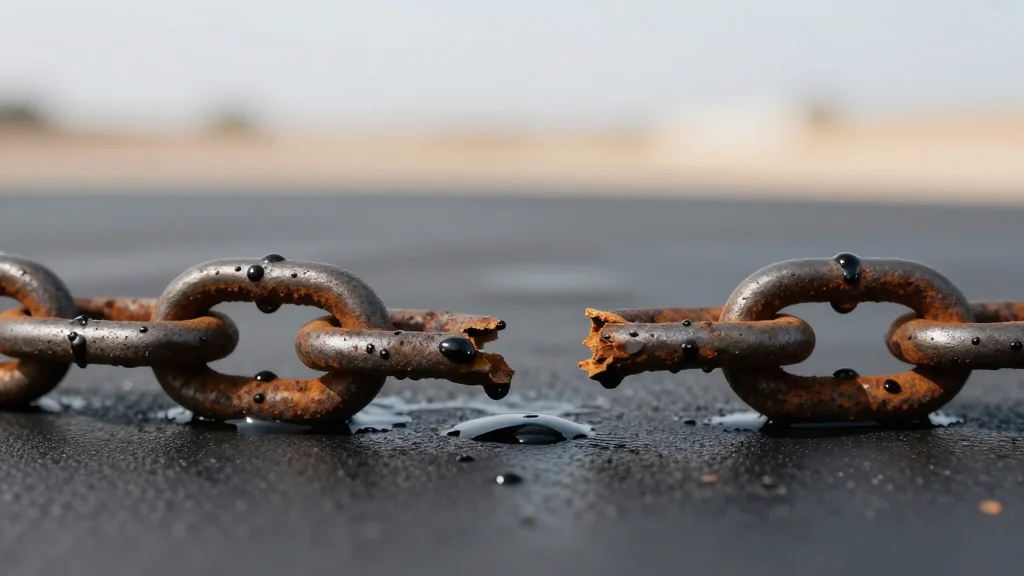
The War to Break Iran’s Economy
Why It Matters
The crackdown threatens global energy supplies and heightens geopolitical risk, prompting investors to reassess exposure to the region.
Key Takeaways
- •US, EU, and allies intensify sanctions on Iran
- •Oil export restrictions cut revenue by half
- •Iranian rial depreciates, inflation spikes above 50%
- •Regional proxies face funding shortages, altering power balance
- •Global investors reassess exposure to Middle East risk
Pulse Analysis
Since early 2023, Washington has led a coalition of Western and regional partners to weaponise finance against Tehran. New export controls block the sale of high‑precision equipment, while secondary sanctions penalise foreign banks that process Iranian transactions. The EU’s “Oil‑for‑Food” loophole has been tightened, and Israel has added its own blacklist of firms linked to the Revolutionary Guard. By targeting the financial arteries that sustain Iran’s oil‑centric economy, the campaign seeks to curtail the regime’s capacity to fund proxy wars and nuclear ambitions.
The sanctions have already reshaped Iran’s macro‑economics. Oil exports, once generating $20 billion annually, have fallen to under $10 billion, eroding the state’s fiscal base. The rial has lost more than 70 percent of its value against the dollar, fueling consumer price inflation that now exceeds 50 percent and squeezing household purchasing power. Credit lines for domestic manufacturers have dried up, leading to factory shutdowns and rising unemployment. Social discontent is rising, with protests echoing the economic grievances that fueled earlier unrest in 2019.
For global markets, the economic war on Iran introduces new volatility. Reduced Iranian oil output tightens supply, nudging Brent crude toward $90 a barrel, while investors scramble to price in heightened geopolitical risk. Energy‑intensive industries and emerging‑market portfolios are reassessing exposure, prompting a shift toward safer assets. At the same time, the pressure may force Tehran back to the negotiating table, offering a potential diplomatic opening for a broader Middle East de‑escalation. Stakeholders therefore monitor sanction enforcement closely, balancing short‑term market turbulence against long‑term strategic realignment.
The war to break Iran’s economy
Comments
Want to join the conversation?
Loading comments...