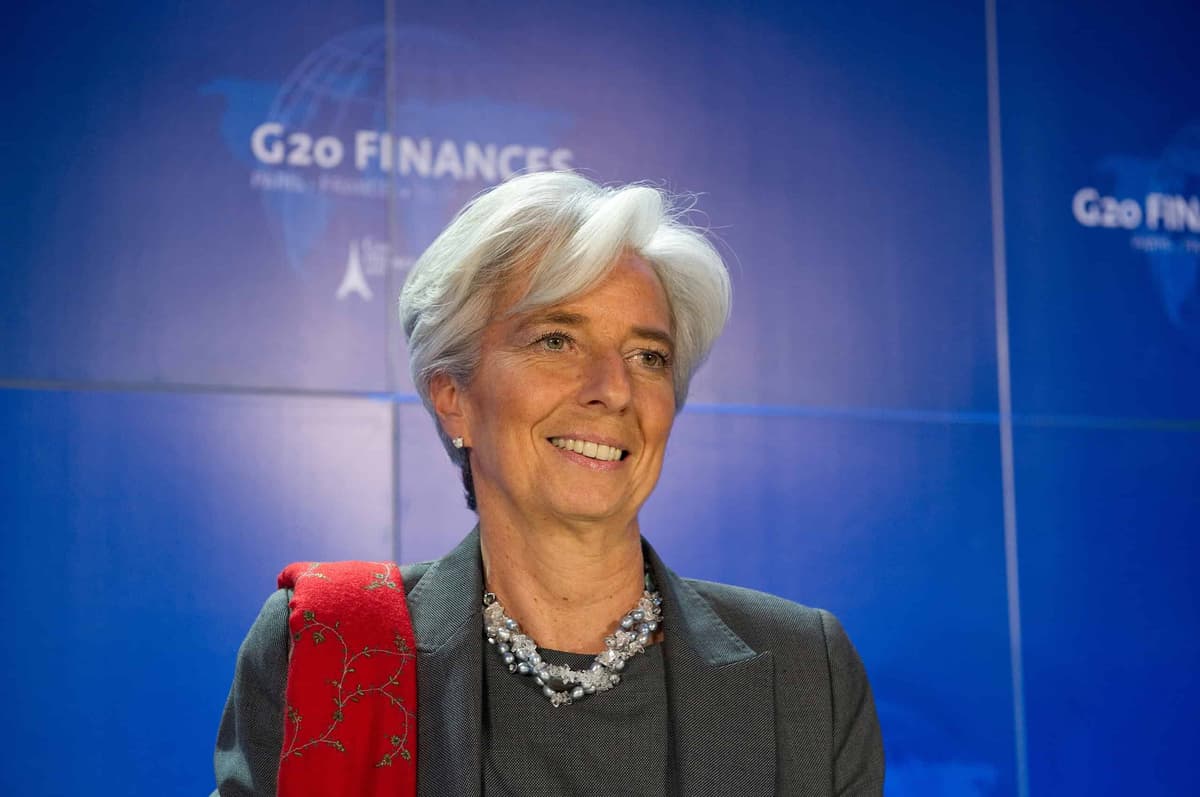
Three Bankers Lead Pack to Replace Lagarde at ECB
Why It Matters
The next ECB chief will shape eurozone monetary policy during a period of inflation volatility and geopolitical risk, affecting global financial markets. A politically driven appointment could tilt the balance between German fiscal discipline and broader European integration goals.
Key Takeaways
- •Joachim Nagel seen as strongest hawk, already on ECB Governing Council
- •Klaas Knot brings 14 years Dutch central‑bank experience, but limited political weight
- •Pablo Hernandez de Cos praised for consensus building and crisis management
- •Early Lagarde exit would amplify Macron’s influence over eurozone leadership
Pulse Analysis
The prospect of Christine Lagarde stepping down ahead of her 2027 term end has reignited speculation about the ECB’s future direction. While the bank’s formal statement emphasizes uncertainty, market participants are already pricing in a potential leadership transition. An early vacancy would not only disrupt the continuity of monetary policy but also give France, under President Emmanuel Macron, a decisive role in shaping the next chief’s profile, a factor that could reverberate through sovereign bond yields and euro‑dollar swaps.
Among the three leading candidates, Joachim Nagel stands out for his hawkish reputation and deep ties to Germany, the eurozone’s largest economy. His support for Eurobonds to fund joint defence spending signals a willingness to blend fiscal solidarity with price‑stability mandates, a blend that could appeal to both German and broader EU constituencies. Klaas Knot, the long‑time head of the Dutch central bank, offers a classic inflation‑fighter stance but lacks the geopolitical clout of the larger member states. In contrast, Pablo Hernandez de Cos, the former Bank of Spain governor, is lauded for his consensus‑building style and crisis‑management credentials, positioning him as a potential bridge between divergent national interests.
Political dynamics will likely dominate the selection process. Macron’s remaining term aligns with the anticipated vacancy, allowing him to champion a candidate who balances French strategic priorities with broader eurozone stability. However, any perception that the appointment overly favors Germany could trigger pushback from other member states, especially as the EU grapples with fiscal integration and defence spending debates. Investors will watch the nomination timeline closely, as the chosen leader’s policy orientation will influence interest‑rate trajectories, inflation expectations, and the euro’s exchange rate in the months ahead.
Three Bankers Lead Pack to Replace Lagarde at ECB
Comments
Want to join the conversation?
Loading comments...