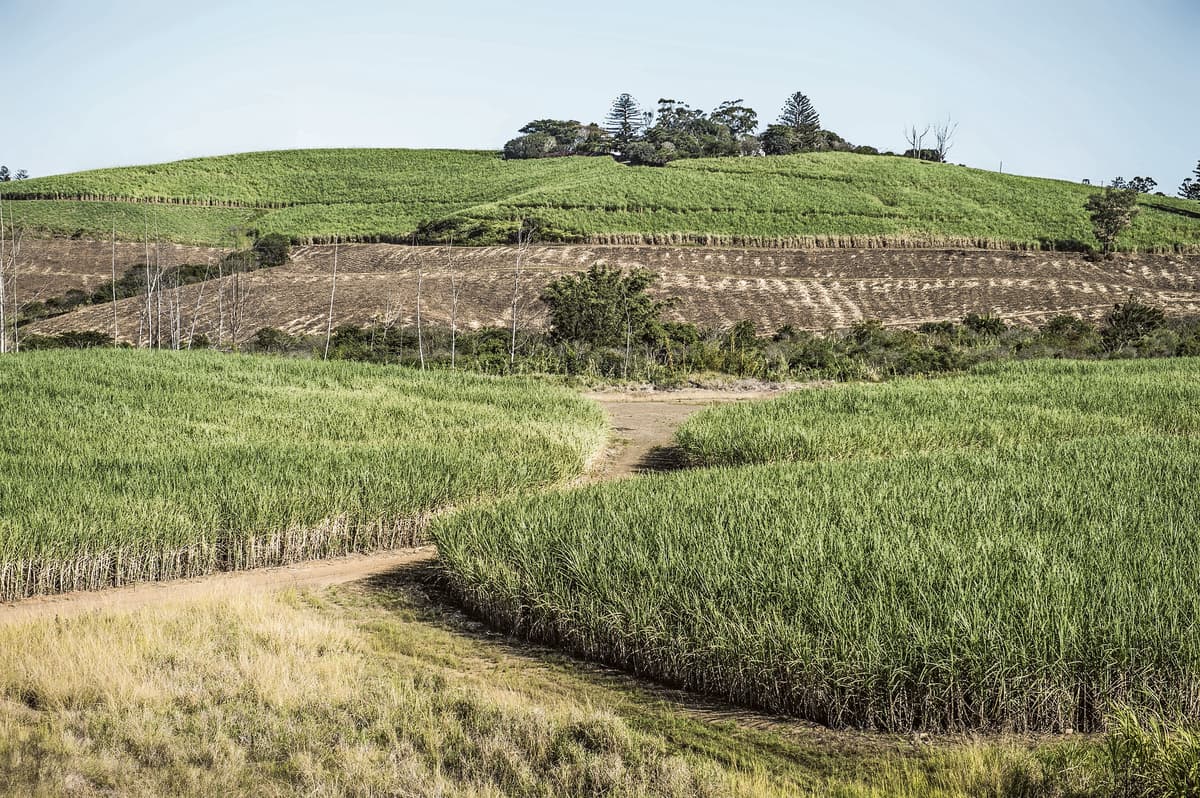
Tongaat Hulett Collapse Looms
•February 19, 2026
0
Why It Matters
The liquidation threatens the livelihoods of tens of thousands and could destabilise South Africa's sugar supply chain, with broader repercussions for the regional economy and food security.
Key Takeaways
- •Tongaat Hulett faces provisional liquidation after rescue plan failed
- •Thousands of jobs at risk across KwaZulu-Natal and Mpumalanga
- •18,000 growers lack alternative milling, threatening sugar supply chain
- •Vision Group may acquire assets, but liquidation looms
- •Economic ripple could affect downstream food and beverage sectors
Pulse Analysis
Tongaat Hulett Limited has been a cornerstone of South Africa's sugar industry for over a century, supplying raw cane to 18,000 growers and supporting a network of logistics, packaging and food‑beverage firms. The company entered business rescue in October 2022 after a R3.5 billion accounting scandal eroded its market value and led to a JSE delisting. The rescue plan hinged on Vision Group acquiring the secured creditor claims and converting debt to equity, but shareholder resistance caused the sale agreements to lapse, prompting practitioners to seek provisional liquidation.
The impending collapse reverberates far beyond the mill's balance sheet. With an estimated 40,000 direct employees and 250,000 jobs in the broader cane‑growing ecosystem, the loss of Tongaat Hulett would strip thousands of households of income, intensifying poverty in rural KwaZulu‑Natal and Mpumalanga. Growers would lose their sole viable milling outlet, forcing them to either abandon production or seek costly alternatives abroad, which would shrink South Africa's sugar output and raise domestic prices. Downstream manufacturers, from confectioners to beverage producers, would face raw‑material shortages, potentially prompting import reliance and eroding the country's food‑security buffer.
Policy makers and investors now face a critical juncture. While Vision Group asserts a commitment to safeguard assets and jobs, its strategy may prioritize asset control over a full operational revival, leaving a gap for government intervention. Structured support—such as temporary credit facilities, tariff adjustments, or a coordinated transition to diversified crops—could mitigate social unrest and preserve the agricultural value chain. The Tongaat Hulett case underscores the vulnerability of anchor businesses in emerging markets and the need for robust contingency frameworks to protect both employment and supply‑chain stability.
Tongaat Hulett collapse looms
0
Comments
Want to join the conversation?
Loading comments...