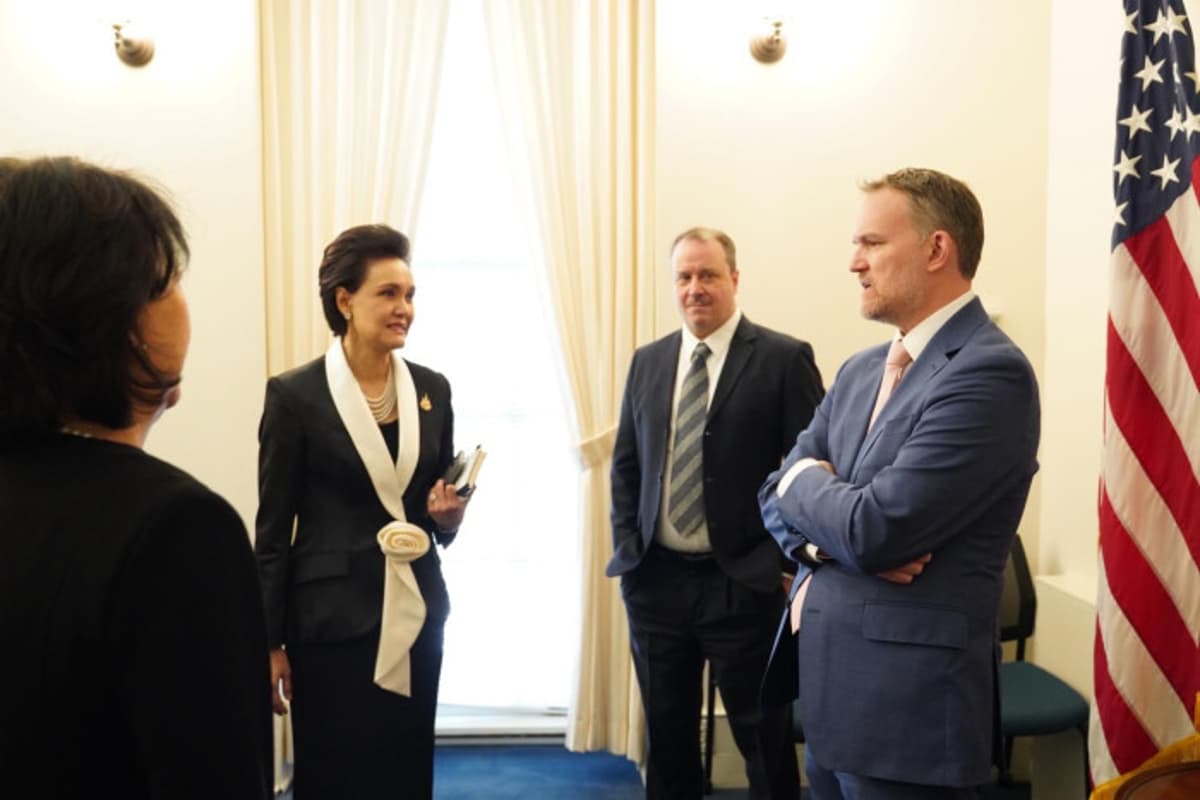
Trade Officials Meet in Bid to Finalise US-Thai Agreement
Why It Matters
Finalizing ART could lower US‑imposed tariffs, boost Thai exports, and deepen supply‑chain ties, strengthening economic confidence for both nations.
Key Takeaways
- •Thailand seeks US tariff exemptions for products it cannot produce domestically
- •USTR shows flexibility, willing to discuss timelines and detailed ART provisions
- •Upcoming May 13‑14 delegation aims to address Section 301 concerns
- •Both countries eye collaboration in clean energy, carbon‑tech, and food innovation
Pulse Analysis
The United States and Thailand are at a pivotal juncture in their bilateral trade relationship. After months of stalled talks, the recent meeting between Commerce Minister Suphajee Suthumpun and senior USTR officials signaled a mutual desire to fast‑track the Agreement on Reciprocal Trade (ART). The agreement aims to pre‑empt a Section 301 investigation that could impose punitive duties on Thai imports, a scenario that would pressure Thailand’s export‑driven economy. By clarifying its production structure and seeking tariff exemptions for goods it cannot manufacture domestically, Thailand hopes to secure more favorable market access while reassuring US policymakers of its compliance.
Beyond tariff relief, the two governments are exploring high‑growth sectors where collaboration could yield strategic dividends. The United States highlighted clean‑energy technologies, carbon‑reduction solutions, small modular nuclear reactors, and advanced food‑innovation platforms as priority areas. For Thai firms, these sectors represent both a demand gap and an opportunity to integrate into resilient, low‑carbon supply chains. The proposed partnership aligns with Thailand’s national policy to diversify its energy mix and upgrade its agricultural value chain, while giving US companies a foothold in Southeast Asia’s fastest‑growing market.
If ART concludes on schedule, the impact on investors will be immediate. Lower tariff risk translates into more predictable cash flows for exporters of processed agricultural products, electronics components, and emerging clean‑tech solutions. Moreover, a clear framework for raw‑material sourcing could encourage US firms to channel more inputs through Thai facilities, reinforcing the country’s role as a regional hub. The accelerated timeline, coupled with high‑level diplomatic engagement, suggests that both sides view the agreement as a cornerstone for deeper economic integration and a buffer against future protectionist measures.
Trade officials meet in bid to finalise US-Thai agreement
Comments
Want to join the conversation?
Loading comments...