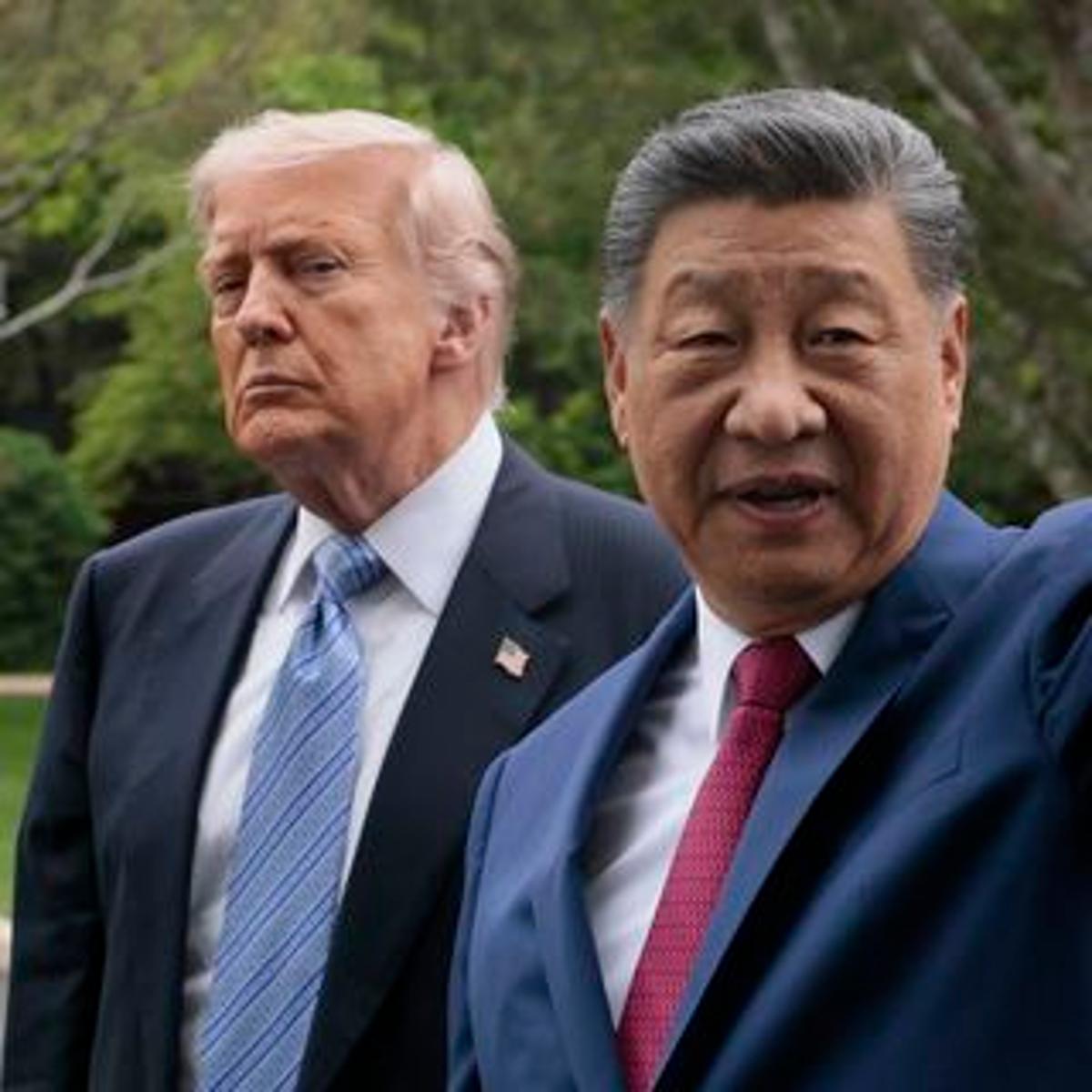
Trump Aims to Defy Gravity with Beijing Friendship Summit
Companies Mentioned
Why It Matters
The meeting signals a potential, albeit fragile, shift toward limited economic engagement, but persistent sanctions and intelligence concerns suggest the broader U.S.–China rivalry remains largely unchanged.
Key Takeaways
- •Trump touts 200 Boeing jet order, no official confirmation.
- •U.S. expects China to buy at least $10 billion in agriculture annually.
- •Joint Board of Trade to cover $30 billion of non‑sensitive goods.
- •U.S. sanctions Chinese firms over Iran‑related satellite and oil activities.
- •Chinese FDI in U.S. fell from $45 billion to under $3 billion.
Pulse Analysis
The Trump‑Xi summit was as much a diplomatic performance as a policy forum. While the White House highlighted a prospective 200‑plane Boeing order and a $10 billion agricultural purchase commitment, neither side disclosed contract specifics, leaving investors to wonder whether the announcements are substantive or merely political theater. The proposed $30 billion Board of Trade, aimed at streamlining non‑sensitive goods, could ease some supply‑chain friction, yet its impact will hinge on how quickly both governments can reconcile security vetting with commercial openness.
Beneath the public goodwill, U.S. agencies intensified pressure on Chinese entities. The State Department sanctioned firms for providing satellite imagery that aided Iranian strikes, and the Treasury targeted “teapot” refineries buying Iranian oil, prompting Beijing to order non‑compliance. Simultaneously, a White House memo accused Chinese groups of industrial‑scale AI theft, and federal prosecutors charged a California mayor with acting as an illegal Chinese agent. These actions illustrate a parallel track of confrontation that limits the credibility of any trade breakthroughs announced in Beijing.
For businesses, the summit offers a mixed signal. On one hand, the rhetoric suggests a window for selective engagement, especially in sectors like aerospace and agriculture where mutual benefit is clear. On the other, the sharp decline in Chinese foreign direct investment—from roughly $45 billion in 2016 to under $3 billion last year—highlights lingering investor wariness driven by national‑security scrutiny. Companies eyeing China must therefore balance optimism about new trade avenues with rigorous compliance checks, while policymakers will need to navigate the tightrope between economic incentives and strategic deterrence.
Trump aims to defy gravity with Beijing friendship summit
Comments
Want to join the conversation?
Loading comments...