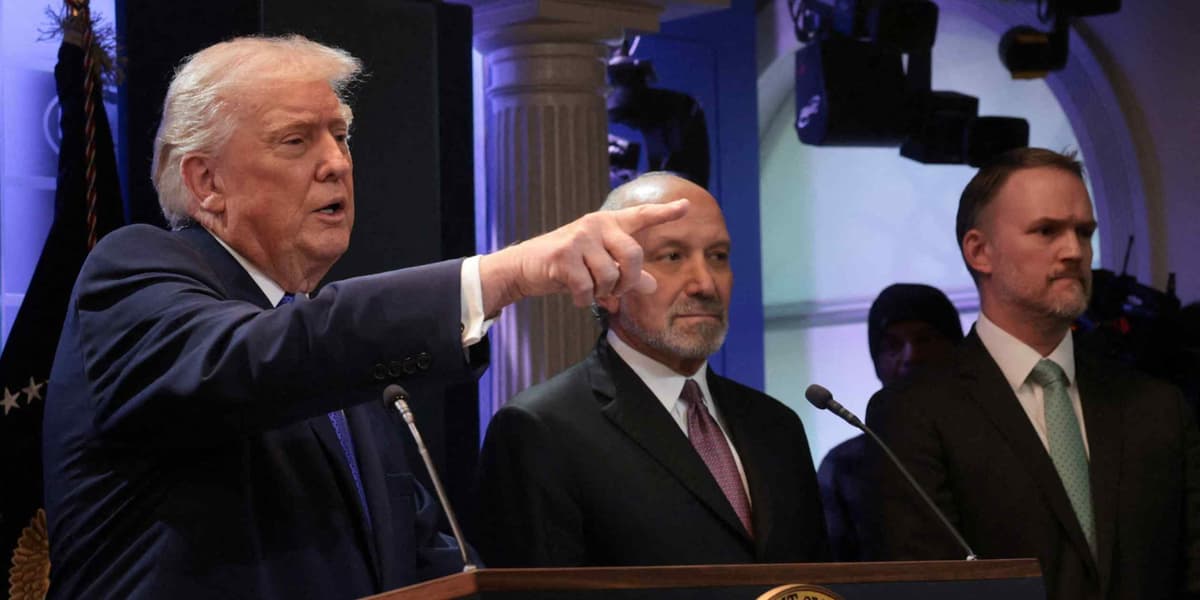
Trump Now Wants to Impose 15% Tariff After Supreme Court Decision
•February 22, 2026
0
Why It Matters
The move signals a rapid escalation in U.S. trade protectionism, potentially reshaping global supply chains and prompting retaliatory measures. Import‑dependent industries face immediate cost pressures as the tariffs take effect.
Key Takeaways
- •Trump announces 15% tariff, up from 10%
- •Tariffs to apply under Section 122, 150‑day limit
- •Supreme Court struck down previous reciprocal tariffs
- •Customs to issue guidance; details pending
Pulse Analysis
The administration’s decision to invoke Section 122 of the 1974 Trade Act reflects a strategic pivot after the Supreme Court rebuked President Trump’s earlier tariff framework. By leveraging a statutory provision that bypasses congressional approval, the White House can swiftly impose duties up to 15% for a limited 150‑day window, citing balance‑of‑payments concerns. This legal pathway underscores the executive’s intent to maintain leverage in trade negotiations despite judicial setbacks, and it re‑opens debates about the scope of presidential authority in tariff enforcement.
For importers and manufacturers, the announced tariffs translate into immediate cost escalations across a broad product spectrum. Companies must anticipate higher landed costs, reassess pricing strategies, and potentially accelerate inventory builds before the duties become effective. Customs and Border Protection’s pending guidance adds uncertainty, prompting firms to engage legal counsel and explore alternative sourcing to mitigate risk. The short‑term 150‑day horizon may also incentivize accelerated negotiations with foreign suppliers to secure more favorable terms before the tariff window closes.
Globally, the 15% tariff threatens to trigger reciprocal measures from trading partners, echoing past trade wars that disrupted markets and strained diplomatic ties. Analysts project that sectors reliant on raw material imports, such as automotive and electronics, could see profit margins compressed, while domestic producers may benefit from reduced foreign competition. The policy’s durability remains uncertain, hinging on political dynamics and potential congressional responses. Stakeholders should monitor evolving trade data and diplomatic signals to gauge the longer‑term impact on the U.S. balance of payments and global trade flows.
Trump now wants to impose 15% tariff after Supreme Court decision
0
Comments
Want to join the conversation?
Loading comments...