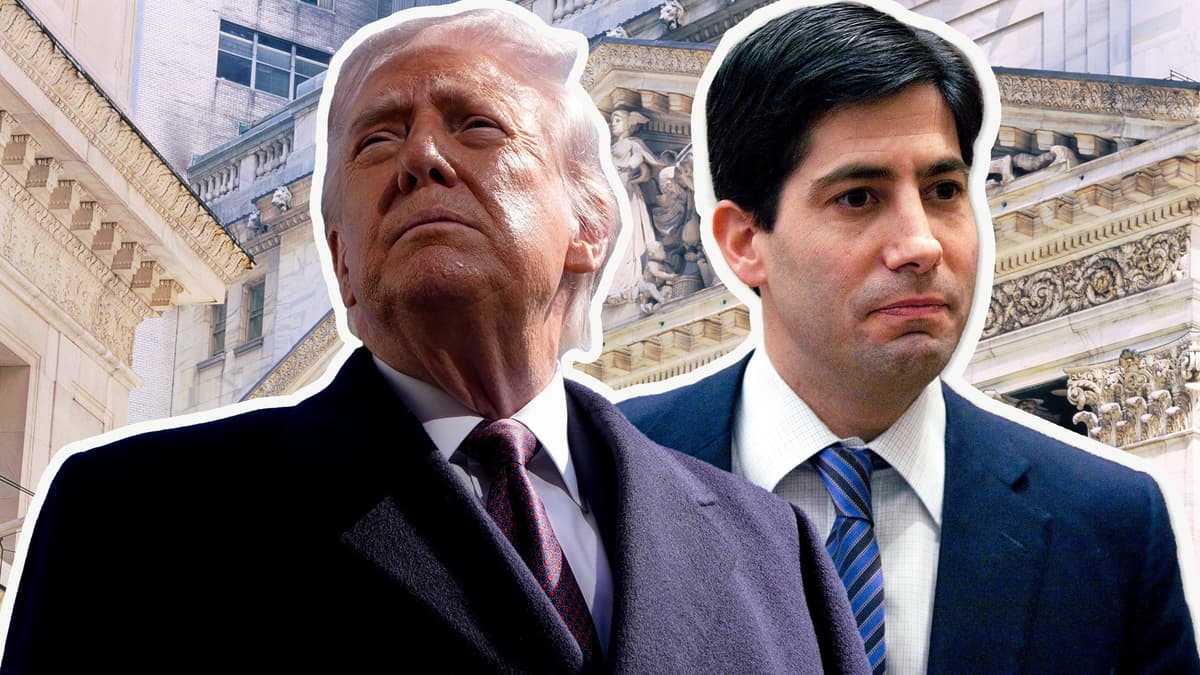
Trump Officially Nominates Kevin Warsh for Fed Chair as Iran War Complicates Path for Rate Cuts
•March 4, 2026
0
Why It Matters
The nomination pits Trump’s push for cheaper credit against a Fed wary of war‑driven inflation, shaping monetary policy and borrowing costs. A delayed rate‑cut cycle could ripple through housing finance and broader economic growth.
Key Takeaways
- •Trump nominates former governor Kevin Warsh as Fed chair
- •Iran‑Israel war raises inflation risk, stalls rate cuts
- •FOMC members signal pause, possible hikes later 2026
- •Mortgage rates near 6% may rise if oil spikes
- •Warsh holds single vote; needs six allies for policy shift
Pulse Analysis
Kevin Warsh’s nomination marks a rare political overture into the traditionally independent Federal Reserve. A former governor who served during the 2007‑09 crisis, Warsh has long championed a smaller balance sheet and lower policy rates to ease mortgage costs for consumers. Trump’s choice reflects his broader agenda to stimulate growth and reduce government borrowing expenses, but the appointment still requires Senate confirmation and, more critically, the support of a 12‑member Federal Open Market Committee that will decide the pace of any policy shift.
The backdrop of a widening U.S.-Israeli conflict with Iran adds a volatile layer to the Fed’s decision‑making. Rising oil prices from the war threaten to lift headline inflation, prompting FOMC members like Minneapolis Fed President Neel Kashkari and Cleveland Fed President Beth Hammack to caution against premature cuts. Their public statements signal a possible pivot from the recent narrative of steady easing to a more cautious stance, even hinting at future rate hikes if inflation does not trend downward through the summer. This uncertainty complicates the market’s expectations for the Fed’s next moves.
For borrowers and the housing market, the interplay between Warsh’s policy preferences and the Fed’s war‑induced caution could stall the recent dip in mortgage rates, which hovered near a three‑year low of 5.98%. Should oil‑driven inflation persist, bond yields may climb, pushing mortgage rates back toward higher levels. The outcome will affect everything from home‑buyer affordability to corporate financing costs, making the Senate’s confirmation vote and the upcoming FOMC meeting pivotal moments for the broader economy.
Trump Officially Nominates Kevin Warsh for Fed Chair as Iran War Complicates Path for Rate Cuts
0
Comments
Want to join the conversation?
Loading comments...