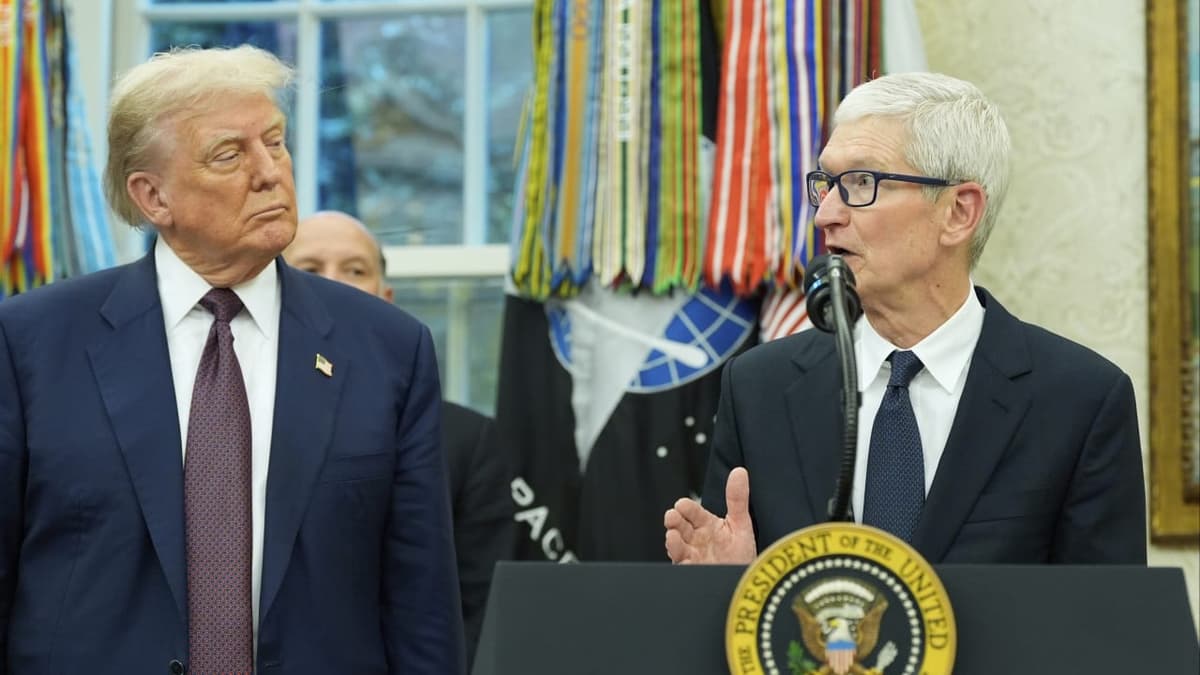
Trump’s Cadre of CEOs Hunts for Wins in China, From Soybeans to Semiconductors
Companies Mentioned
Why It Matters
The visit highlights a concerted effort by U.S. businesses to mitigate trade friction and unlock growth opportunities in China’s vast market, potentially reshaping sectoral export dynamics. Successful outcomes could signal a thaw in U.S.-China economic relations, influencing investor sentiment and policy direction.
Key Takeaways
- •CEOs from Apple, soy, and chip firms join Trump's China delegation
- •Delegates seek market access, tariff relief, and supply‑chain stability
- •U.S. firms hope to mitigate geopolitical risk by direct engagement
- •China signals openness to high‑tech cooperation despite broader tensions
- •Successful talks could boost U.S. export forecasts for agriculture and semiconductors
Pulse Analysis
The Trump‑led delegation marks a rare instance of high‑level corporate diplomacy amid a decade of U.S.-China trade friction. While tariffs have strained traditional export channels, the presence of CEOs from technology, agriculture and semiconductor firms signals a pragmatic shift: businesses are willing to negotiate directly with political leaders to safeguard supply chains and protect profit margins. By leveraging the president’s diplomatic clout, these companies hope to secure preferential treatment, lower duties on soybeans and other commodities, and gain clearer pathways for chip components critical to American tech giants.
Beyond immediate commercial gains, the visit reflects broader strategic calculations. China’s recent openness to high‑tech collaboration, despite broader geopolitical rivalry, suggests a nuanced approach to foreign investment—balancing domestic priorities with the desire for advanced manufacturing inputs. For U.S. firms, aligning with Chinese authorities could unlock joint‑venture opportunities, especially in semiconductor fabrication where China seeks to close the technology gap. Simultaneously, the delegation serves as a signal to domestic stakeholders that the administration is actively pursuing de‑escalation, potentially easing investor concerns about policy volatility.
Investors and analysts will watch the outcomes closely, as any concessions on tariffs or supply‑chain facilitation could lift export forecasts for key U.S. sectors. A successful dialogue may also pave the way for future business delegations, reinforcing a model where corporate leaders play a direct role in shaping international trade policy. In an environment where geopolitical risk is a premium, such engagements could become a critical tool for maintaining growth trajectories across the trans‑Pacific economy.
Trump’s cadre of CEOs hunts for wins in China, from soybeans to semiconductors
Comments
Want to join the conversation?
Loading comments...