Trump’s Cuba Policy Is Backing Mexico Into a Corner
•February 23, 2026
0
Why It Matters
Mexico must weigh its long‑standing alliance with Cuba against vital economic and security ties to the United States, a decision that could reshape trade, migration flows, and geopolitical balance in North America.
Key Takeaways
- •Trump orders tariffs on oil to Cuba, targeting Mexico.
- •Mexico cut shipments from 22k to 0 barrels per day.
- •Mexico sent 800 tons humanitarian aid, no oil.
- •USMCA talks increase Mexico’s leverage over Cuba aid.
- •Cuban crisis could spark migration flows into Mexico.
Pulse Analysis
Trump’s emergency order marks a sharp escalation in U.S. strategy to isolate Havana by weaponizing oil supplies. By labeling Cuba an "unusual and extraordinary threat" and threatening punitive tariffs, the administration aims to choke the island’s last reliable fuel source—Mexico’s crude. The move revives Cold‑War‑era tactics, leveraging economic pressure to force regime change while signaling to regional partners that U.S. policy will tolerate no deviation from its anti‑Cuban agenda. For Mexico, the order creates an immediate compliance dilemma, as its oil exports fell from roughly 22,000 barrels per day to zero within weeks.
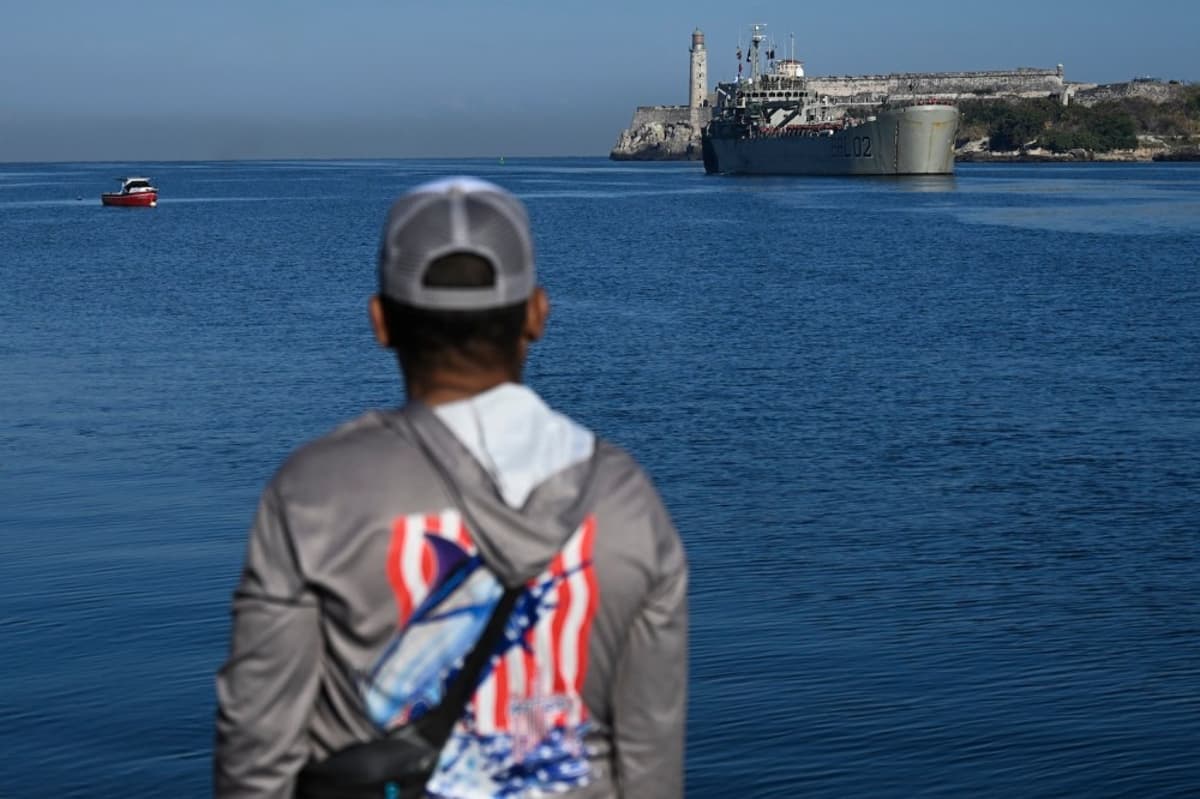
Mexico’s response has been a blend of concession and humanitarian outreach. President Claudia Sheinbaum halted oil shipments, citing sovereign decision‑making, yet dispatched two navy vessels carrying over 800 tons of food, medicine, and other aid. The pivot reflects domestic political pressures from pro‑Cuban factions and the need to preserve Mexico’s historic diplomatic ties, while simultaneously appeasing Washington on security cooperation, migration control, and the looming renegotiation of the USMCA. The humanitarian aid narrative also serves to mitigate criticism that Mexico is abandoning Cuba, positioning Mexico as a compassionate intermediary rather than a passive conduit.
The broader regional fallout could be profound. Continued fuel shortages risk a humanitarian collapse in Cuba, potentially spurring a wave of migrants toward Mexico’s southern border and straining its already burdened immigration system. Moreover, the U.S. threat to leverage trade agreements and even contemplate military options adds pressure on Mexico to align with Washington’s objectives, potentially reshaping North American economic integration. Analysts warn that the intersecting dynamics of energy security, trade negotiations, and migration could force Mexico into a strategic realignment, with lasting implications for hemispheric stability.
Trump’s Cuba Policy Is Backing Mexico Into a Corner
0
Comments
Want to join the conversation?
Loading comments...