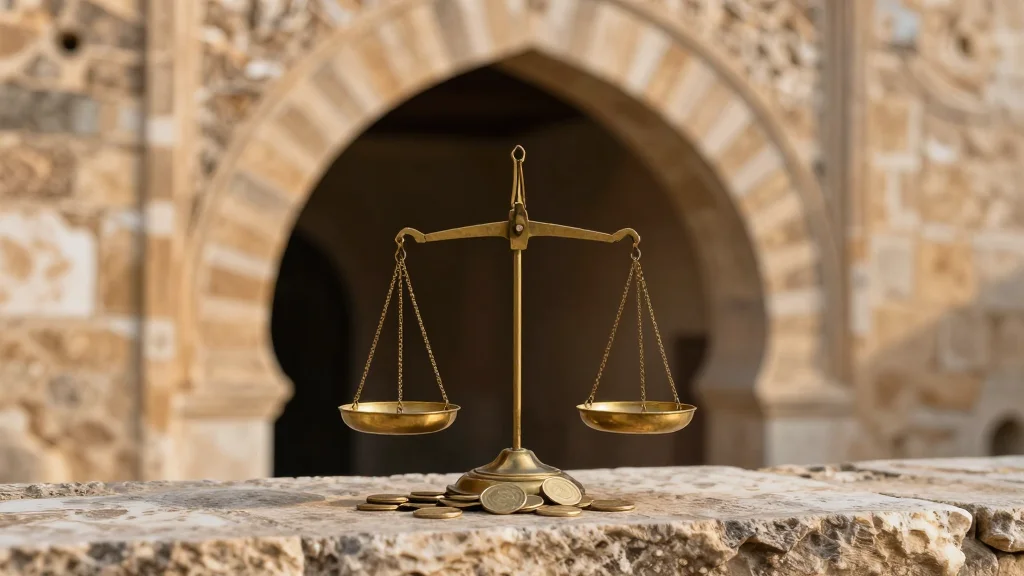
Tunisia Needs Both Bread and Freedom
Why It Matters
Without aligning freedom with tangible prosperity, Tunisia risks deeper social unrest and a loss of credibility for democratic transitions across the region.
Key Takeaways
- •Political freedoms surged post‑2011, then sharply regressed after 2021.
- •Judicial independence collapsed alongside executive power consolidation.
- •Economic growth remained stagnant despite democratic reforms.
- •High inflation and import dependence erode household buying power.
- •Renewable energy projects lag, despite abundant solar potential.
Pulse Analysis
Tunisia’s democratic arc illustrates how rapid political liberalization can outpace institutional resilience. After the 2011 revolution, elections became competitive, civil liberties expanded, and a progressive constitution was adopted. Yet the grand‑coalition model blurred accountability, and the 2021 coup by President Kais Saied suspended parliament, dissolved the judiciary’s autonomy, and ushered in a de‑facto authoritarian shift. The erosion of checks and balances has deepened public distrust, as arbitrary detentions and curtailed legal contestation become commonplace.
Economically, the country’s macro‑performance has been underwhelming. Real income growth stays modest, unemployment—especially among educated youth—remains high, and inflation erodes real wages. Structural bottlenecks such as monopolistic market power, cumbersome bureaucracy, and heavy reliance on tourism and imported energy limit private sector dynamism. Recent shortages of basic goods and medical supplies underscore the fragility of Tunisia’s fiscal position, while the under‑development of renewable energy, despite abundant solar irradiance, perpetuates energy import dependence.
The path forward demands a dual‑track strategy: reinforce democratic institutions while launching comprehensive economic reforms. Breaking up concentrated market sectors, streamlining investment procedures, and expanding trade ties can stimulate competition and job creation. Accelerating solar and wind projects would cut energy costs and attract green finance. Simultaneously, restoring judicial independence and establishing a functional constitutional court will re‑anchor the rule of law. By marrying political freedom with tangible prosperity, Tunisia can stabilize its social contract and serve as a model for other post‑revolution societies.
Tunisia needs both bread and freedom
Comments
Want to join the conversation?
Loading comments...