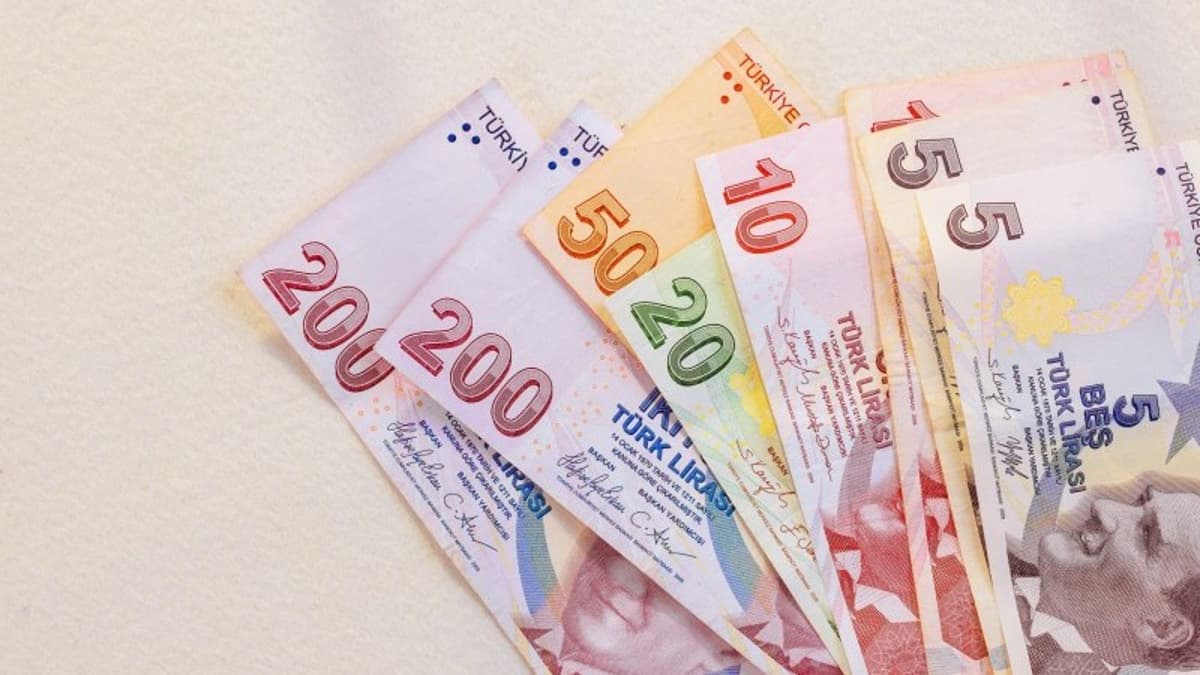
Turkey’s Current Account Deficit Widens Further
Why It Matters
The expanding deficit strains Turkey’s external financing and could pressure the lira, while weaker capital flows limit policy leeway.
Key Takeaways
- •Feb current account deficit hit $7.5 bn, above forecasts.
- •12‑month deficit rose to $35.4 bn, 2.4% of GDP.
- •Trade gap widened to $‑7.5 bn, driven by gold imports.
- •Capital inflows fell to $3.3 bn; reserves dropped $10.6 bn.
Pulse Analysis
1 billion projection. 4 % of gross domestic product, marking a steady widening since early 2024. The deterioration arrives after a year of volatile capital flows and underscores the fragility of Turkey’s balance‑of‑payments framework amid persistent inflation and a volatile lira. The current‑account strain also limits the central bank’s ability to intervene in foreign‑exchange markets.
5 billion deficit, a swing of $2 billion from the same month a year earlier. Rising gold imports, spurred by domestic demand and a weaker lira, offset easing energy costs and pushed the trade balance deeper into the red. Services income also slipped, reflecting lower tourism receipts and weaker transport earnings. 3 billion year‑on‑year. If the gold import trend persists, the trade deficit could deepen further, amplifying fiscal pressures.
6 billion drawdown of official reserves. 5 billion outflow from errors and omissions erased much of the net gain. With geopolitical tensions heightening oil and gas price risks and potentially curbing tourism, Turkey may face further reserve erosion and heightened portfolio outflows, pressuring policymakers to tighten external financing strategies. Policy options include encouraging longer‑term foreign borrowing and diversifying export markets to mitigate external shocks.
Turkey’s current account deficit widens further
Comments
Want to join the conversation?
Loading comments...