Turkey’s Gas Diversification Strategy and Rising Share of LNG
•March 3, 2026
0
Why It Matters
Diversification lowers Turkey’s exposure to geopolitical supply shocks and creates new revenue streams from gas exports, reshaping European energy security dynamics.
Key Takeaways
- •Regasification capacity grew fivefold to 150 mcm/day
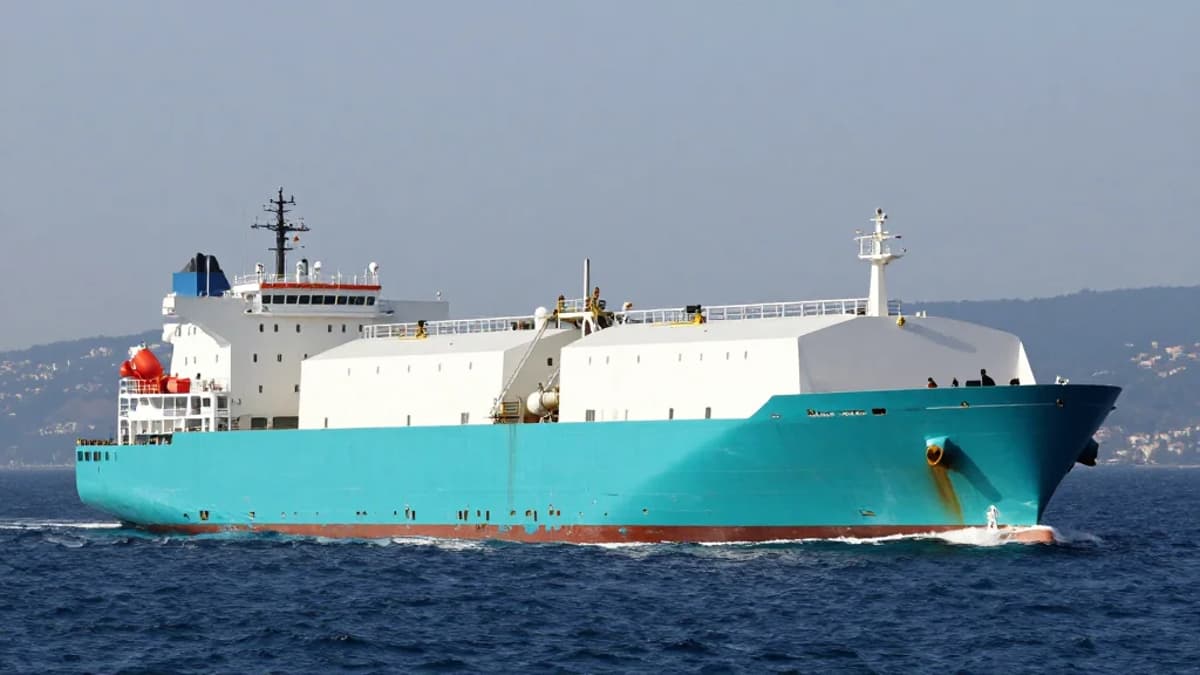
- •FSRUs enable rapid LNG import and Balkan exports
- •Sakarya field to cover ~30% domestic demand by 2028
- •Hybrid pricing shifts from oil index to TTF, Henry Hub
- •Turkey positioned as regional gas‑trading hub
Pulse Analysis
Turkey’s gas strategy pivots on speed and flexibility, leveraging floating storage and regasification units (FSRUs) to sidestep the long lead times of pipeline projects. By 2025, the nation’s LNG regasification capacity reached 150 million cubic metres per day, a fivefold increase that not only cushions winter peaks but also creates surplus that can be redirected to neighboring markets. This infrastructure surge aligns with a broader policy to dilute the historic dominance of Russian and Iranian pipeline supplies, giving BOTAŞ leverage to negotiate on market‑based terms.
The commercial architecture has evolved alongside physical assets. Hybrid pricing contracts now blend Dutch TTF, Henry Hub, and residual oil indexes, allowing Turkey to capture arbitrage opportunities and mitigate the volatility of any single benchmark. Simultaneously, the Sakarya offshore field is scaling toward a 15 bcm annual plateau, projected to offset roughly a third of national consumption and shrink the import bill by billions of dollars. These moves collectively improve Turkey’s balance‑of‑payments outlook and provide a strategic fallback against future contract expiries.
Beyond domestic security, Turkey is reshaping regional energy flows. Integrated pipelines and the strategic placement of FSRUs enable gas exports to Bulgaria, Hungary, Romania, and Moldova, effectively turning the country into a conduit between Asian, American, and European gas markets. This export capability not only generates hard‑currency earnings but also strengthens Turkey’s diplomatic clout within NATO and the EU, as allies increasingly rely on Turkish‑supplied gas to diversify away from Russian sources. By 2028, with a full‑scale Sakarya output and a fleet of five FSRUs, Turkey is poised to become a price‑formation hub where multiple market benchmarks intersect.
Turkey’s gas diversification strategy and rising share of LNG
0
Comments
Want to join the conversation?
Loading comments...