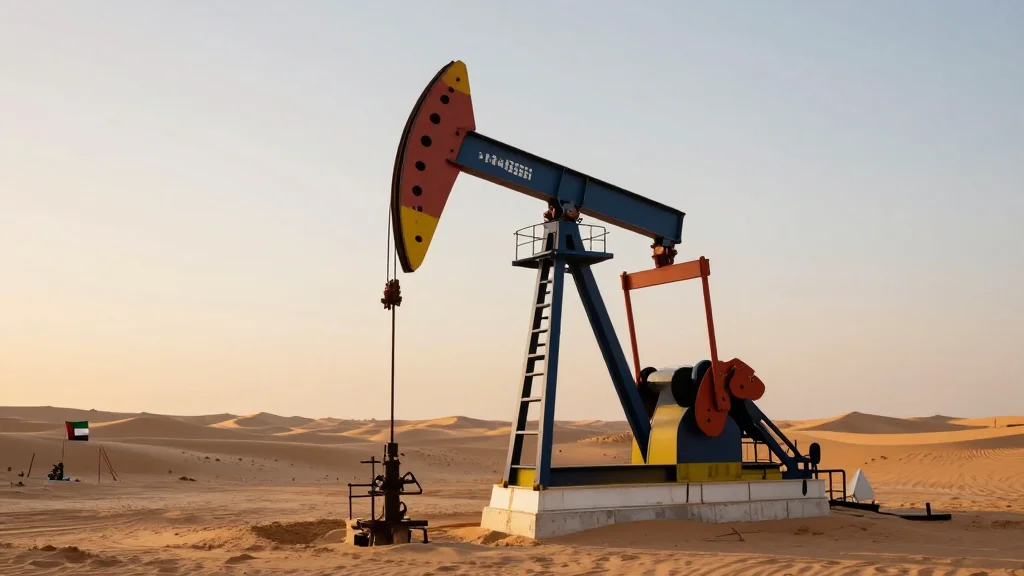
UAE Goes Its Own Way
Why It Matters
UAE’s exit undermines OPEC’s ability to coordinate supply, which could tighten the global oil market and affect pricing. It also signals a strategic shift for the Emirates toward greater autonomy in energy policy.
Key Takeaways
- •UAE exits OPEC, its largest oil exporter after Saudi Arabia
- •Excess capacity gives UAE freedom to set its own production levels
- •Departure follows Qatar 2019 and Angola 2023, marking biggest capacity loss
- •Potential shift could tighten global oil supply and lift prices
Pulse Analysis
The United Arab Emirates, long ranked as OPEC’s second‑largest oil producer behind Saudi Arabia, formally withdrew from the organization in early May 2026. While OPEC has traditionally managed output through quota systems, the UAE’s exit reflects a growing divergence among members over geopolitical priorities and market strategies. Historically, the bloc’s cohesion has hinged on Saudi leadership, but recent tensions surrounding the war in Iran have strained that relationship, prompting the Emirates to reconsider its participation.
Analysts point to the UAE’s substantial excess production capacity as a key driver behind the decision. Under OPEC’s strict quota regime, the Emirates have been constrained from fully exploiting its oil fields, limiting revenue potential. By stepping outside the cartel, the UAE can adjust output to match global price signals, potentially increasing exports to Asia and Europe. This autonomy also allows the country to diversify its energy portfolio, investing more aggressively in downstream petrochemicals and renewable projects without the need to align with OPEC’s collective targets.
The broader market impact could be significant. OPEC’s overall supply ceiling shrinks without the UAE’s contribution, tightening the global oil balance and supporting higher Brent and WTI prices, especially if other producers do not fill the gap. Investors will watch for the Emirates’ next moves, including any bilateral agreements or participation in alternative producer alliances. In the meantime, the departure underscores a shifting landscape where major oil exporters seek greater flexibility, challenging the traditional dominance of OPEC in setting world oil policy.
UAE goes its own way
Comments
Want to join the conversation?
Loading comments...