Understanding Currency Debasement: Definition and Historical Examples
Why It Matters
Debasement erodes purchasing power and can trigger inflationary spirals, forcing policymakers to balance fiscal needs against economic stability. Understanding its mechanics helps investors and regulators anticipate the fallout of unchecked money creation.
Key Takeaways
- •Debasement lowers intrinsic coin value by mixing base metals
- •Modern debasement occurs via excessive fiat money printing
- •Roman Empire and 1920s Germany exemplify historic debasement
- •Debasement fuels inflation without raising taxes
- •Devaluation changes exchange rates, not intrinsic coin value
Pulse Analysis
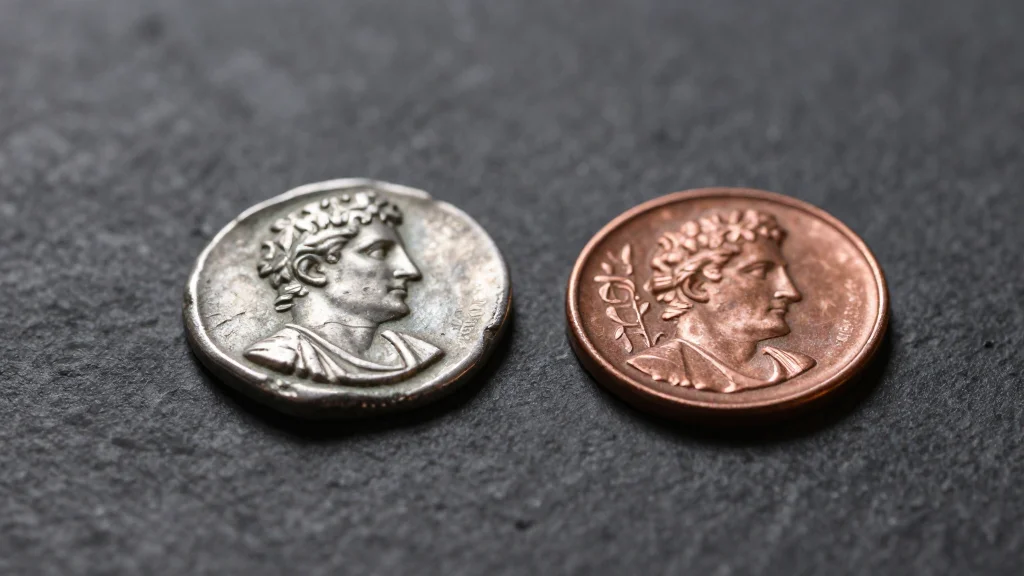
Currency debasement, once a physical process of alloying gold or silver coins, remains a potent concept in today’s digital‑first monetary landscape. While ancient rulers like Nero diluted silver content to stretch treasury resources, modern governments achieve the same effect by flooding the economy with fiat currency. This shift from metal‑backed to paper and electronic money means the intrinsic value is effectively zero, making the policy tool a matter of sheer volume rather than metal purity. Understanding this evolution clarifies why the term still matters in contemporary fiscal debates.
The economic fallout of debasement is unmistakable: expanding the money supply without a commensurate rise in real output fuels inflation, erodes savings, and can precipitate hyperinflationary crises. Historical episodes provide stark lessons. The Roman Empire’s gradual reduction of silver in its denarii contributed to price instability that weakened imperial finances. A century later, Germany’s post‑World War I mark collapsed from roughly $0.125 per mark to a point where 4.2 trillion marks were needed to buy a single U.S. dollar, illustrating how unchecked printing can devastate a currency’s credibility. These cases underscore the fiscal temptation to fund wars or public works without raising taxes, a short‑term gain that often incurs long‑term economic pain.
In the current era, debasement is synonymous with quantitative easing and other large‑scale monetary stimulus measures. Central banks worldwide have injected trillions of dollars into economies to combat recessions, prompting debates about the fine line between necessary support and inflationary excess. Investors watch money‑supply metrics, inflation expectations, and central‑bank communications to gauge when policy may tip into devaluation territory. For policymakers, the challenge lies in balancing immediate fiscal relief against the risk of eroding public confidence in the currency, a dilemma that echoes the ancient lessons of debasement while playing out on a digital stage.
Understanding Currency Debasement: Definition and Historical Examples
Comments
Want to join the conversation?
Loading comments...