US and Indonesia Agree to Cut Tariffs to 19% Under New Trade Deal
•February 20, 2026
0
Why It Matters
The tariff cuts deepen bilateral trade, diversify supply chains, and give the U.S. stronger access to critical minerals, boosting growth prospects for both economies.
Key Takeaways
- •US tariffs on Indonesian goods drop to 19% from 32%.
- •Indonesia eliminates barriers on over 99% of US exports.
- •1,700 Indonesian products receive US tariff exemptions, including coffee.
- •$38.4 bn commercial deals signed alongside the trade pact.
- •Indonesia will aid US rare‑earth infrastructure, strengthening mineral supply.
Pulse Analysis
The United States and Indonesia have sealed a landmark trade agreement that slashes the average U.S. tariff on Indonesian imports from 32 percent to 19 percent. By removing barriers on more than 99 percent of American exports, the pact opens a wide corridor for agricultural, healthcare, technology and automotive goods. The rapid implementation—effective within 90 days—signals a decisive shift in Washington’s approach to Southeast Asian markets, where lower duties are expected to stimulate demand and improve price competitiveness for Indonesian producers.
Complementing the tariff cuts, Indonesian and American firms closed $38.4 billion of commercial contracts covering mining, textiles, and high‑tech equipment. The agreement grants tariff exemptions for over 1,700 Indonesian products, notably coffee, spices, rubber and palm oil, while the U.S. secures recognition of its vehicle safety, emissions and medical‑device standards. These concessions lower entry costs for U.S. companies and promise to accelerate foreign‑direct investment, as Indonesia’s Coordinating Minister highlighted the potential for deeper capital flows and a narrowing of the bilateral trade surplus.
Beyond immediate trade gains, the deal carries strategic weight. Indonesia’s commitment to support U.S. rare‑earth development addresses Washington’s long‑standing vulnerability to Chinese mineral supplies, reinforcing supply‑chain resilience for critical technologies. By aligning regulatory frameworks and expanding market access, both nations aim to build a more diversified, sovereign‑friendly economic partnership. Analysts expect the agreement to serve as a template for future Pacific‑region accords, encouraging other exporters to seek similar tariff reductions and standards harmonization.
US and Indonesia agree to cut tariffs to 19% under new trade deal
By bno · Surabaya Office, February 20 2026
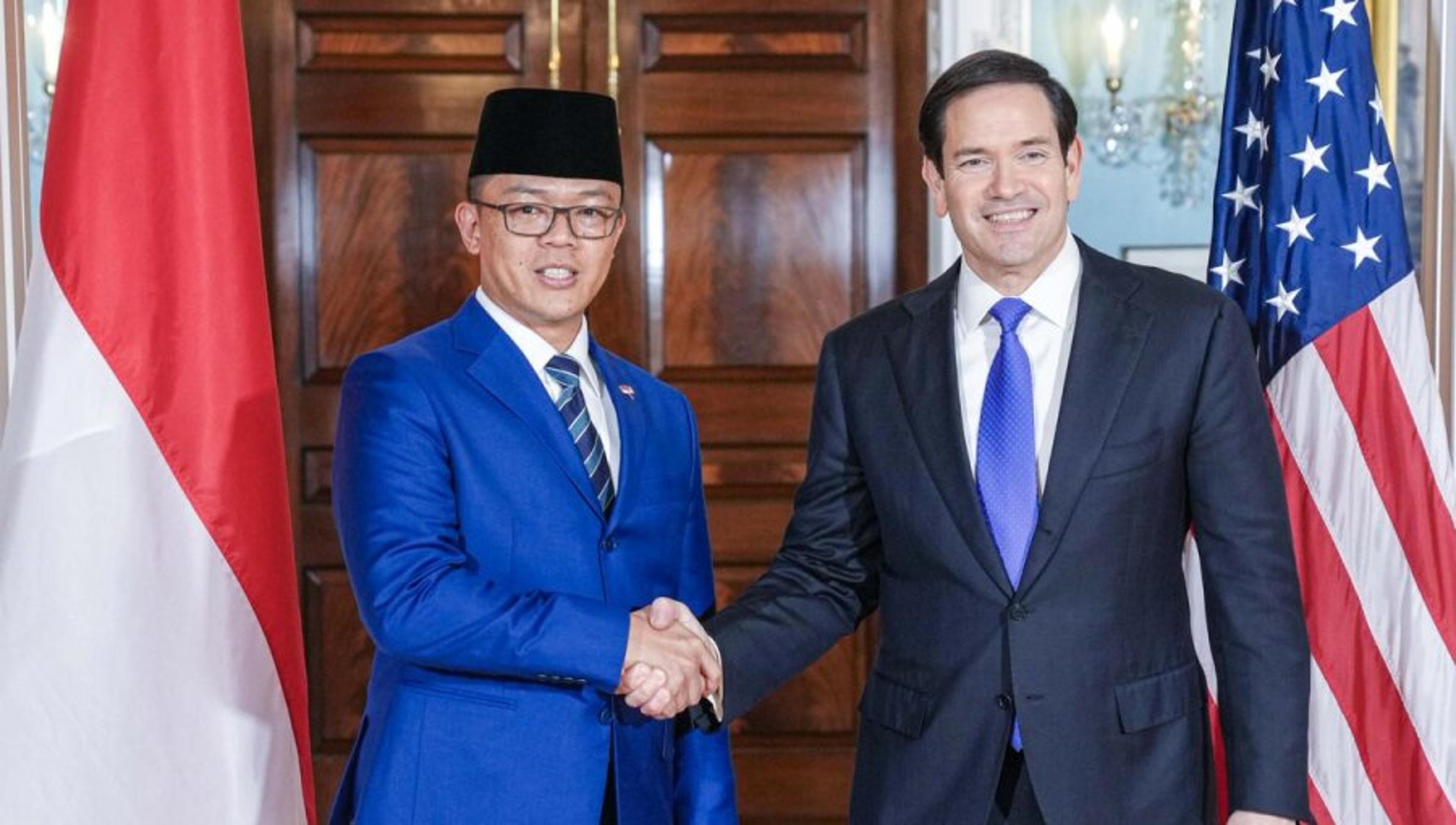
The administration of Donald Trump and the Indonesian government have confirmed the conclusion of a trade agreement that will reduce US tariffs on Indonesian goods to 19%, down from 32%, BBC reports.
According to the White House, Indonesia will eliminate trade barriers on more than 99% of American exports, covering sectors such as agriculture, healthcare, seafood, technology and automotive products.
Washington has also agreed to grant tariff exemptions on selected Indonesian exports, including certain apparel and textile items manufactured using US‑origin cotton and synthetic materials.
US Trade Representative Jamieson Greer said the agreement would “break down trade barriers” while promoting American economic interests.
The deal was finalised during a visit to Washington by Indonesian President Prabowo Subianto, who attended the inaugural meeting of the Trump‑led “Board of Peace”, which focused on discussions regarding the reconstruction of Gaza.
Indonesia’s Coordinating Minister for Economic Affairs Airlangga Hartarto described the agreement as mutually advantageous and said it would encourage increased investment flows into Indonesia. He stated that roughly 90% of Indonesia’s tariff‑related proposals were accepted by the US.
“The vision behind this agreement is shared economic prosperity, resilient supply chains and respect for each nation’s sovereignty,” Airlangga told reporters in Washington.
As part of the arrangement, Indonesia secured tariff exemptions for more than 1,700 products, including coffee, spices, chocolate, natural rubber and palm oil, the country’s leading export commodity.
In exchange, Indonesia will broaden access for US goods by recognising American standards in areas such as vehicle safety and emissions, as well as medical devices and pharmaceuticals, the White House said. Barriers affecting US agricultural and technology products will also be eased.
Additionally, Indonesia will support US companies in developing its rare‑earth infrastructure, a move aimed at strengthening Washington’s access to critical minerals.
Airlangga noted that the agreement will come into force within 90 days, although amendments remain possible subject to mutual consent.
On February 18, Indonesian and American firms concluded a series of commercial agreements worth $38.4 bn, spanning mining, technology, textiles and other industries.
Prabowo said these transactions form part of the broader tariff framework and would assist Indonesia in narrowing its trade surplus with the US.
“I am very optimistic about the future of our relationship,” he said at a dinner hosted by the US Chamber of Commerce on February 18.
0
Comments
Want to join the conversation?
Loading comments...