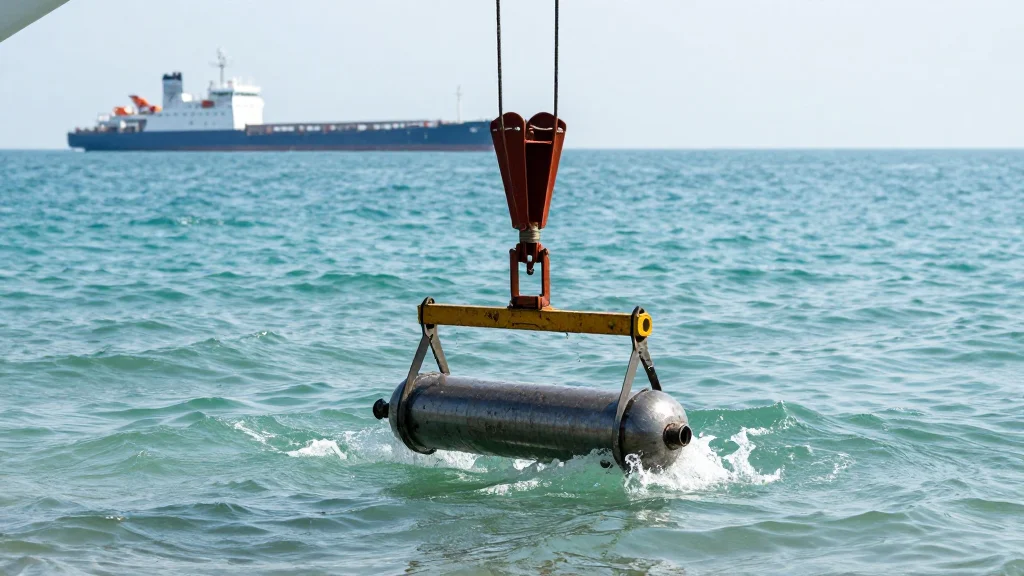
US Begins Mine‑Clearing Operations in Strait of Hormuz, Targeting $5 Trillion Oil Flow

Why It Matters
The Strait of Hormuz is a linchpin of the global energy system; any prolonged disruption reverberates through oil, gas, and broader commodity markets, inflating prices and straining inflation‑sensitive economies. By clearing mines, the United States aims to restore a vital trade artery, reducing the risk premium that has been baked into energy contracts and curbing the $435 million daily loss Iran suffers, which in turn could temper the economic desperation fueling the conflict. Beyond immediate price effects, the operation tests the limits of U.S. maritime power projection and its willingness to intervene in commercial chokepoints. A successful clearance would reinforce the credibility of U.S. security guarantees for global shipping, while a failure could embolden adversaries to weaponize maritime routes, reshaping risk assessments for investors and governments alike.
Key Takeaways
- •U.S. Navy begins six‑month mine‑clearing mission in the Strait of Hormuz.
- •Pentagon estimates clearing will take until late 2026, aiming to restore 20% of global oil flow.
- •Iran loses an estimated $435 million daily from the U.S. blockade, according to FDD senior fellow Miad Maleki.
- •Defense Secretary Pete Hegseth described the blockade as "nothing in, nothing out" for Tehran.
- •Energy markets have seen Brent crude rise above $95/barrel and LNG prices jump 8% amid the strait’s closure.
Pulse Analysis
The decision to clear mines from the Strait of Hormuz reflects a strategic pivot from pure military pressure to a mixed approach that blends coercion with a clear pathway to de‑escalation. Historically, the U.S. has relied on sanctions and naval presence to contain Iran, but the current impasse has exposed the fragility of a strategy that leaves a critical commercial artery blocked. By committing to a transparent, time‑bound clearance operation, Washington signals to both Tehran and global markets that it can manage security threats without indefinitely strangling trade.
From a market perspective, the operation is a hedge against a prolonged supply shock that could have pushed oil prices into double‑digit inflation territory for the second consecutive year. The $435 million daily economic bleed on Iran, while a punitive measure, also creates a feedback loop: a weaker Iranian economy can fuel internal unrest, potentially accelerating diplomatic overtures, yet it also risks hardening the regime’s resolve, as noted by analysts who see the blockade as "corrosive" but also as a rallying point for the IRGC. The mine‑clearing timeline offers a tangible metric for investors: each week of progress should shave a few basis points off risk premiums, while any delay could reignite volatility.
Geopolitically, the move tests the limits of multilateral coordination. The U.S. has secured logistical backing from the UK and Japan, but the broader coalition—especially European energy‑dependent states—will watch closely to gauge whether the clearance translates into a durable reopening. If successful, the operation could set a precedent for future interventions in maritime chokepoints, from the Bab el‑Mandeb to the South China Sea, where the balance between security and commerce is increasingly contested. In the short term, the clearance is a pragmatic step to unfreeze a $5 trillion‑a‑year flow of energy, but its longer‑term legacy will hinge on whether it catalyzes a diplomatic breakthrough or merely postpones the next flashpoint.
US Begins Mine‑Clearing Operations in Strait of Hormuz, Targeting $5 Trillion Oil Flow
Comments
Want to join the conversation?
Loading comments...