US Confirms Russia, Iran Waivers Will Not Be Renewed
Why It Matters
Ending the waivers removes a key loophole, potentially curbing revenue for Russia and Iran while tightening global oil markets and signaling stronger U.S. resolve on sanctions enforcement.
Key Takeaways
- •Waivers expire in one month, no renewal granted
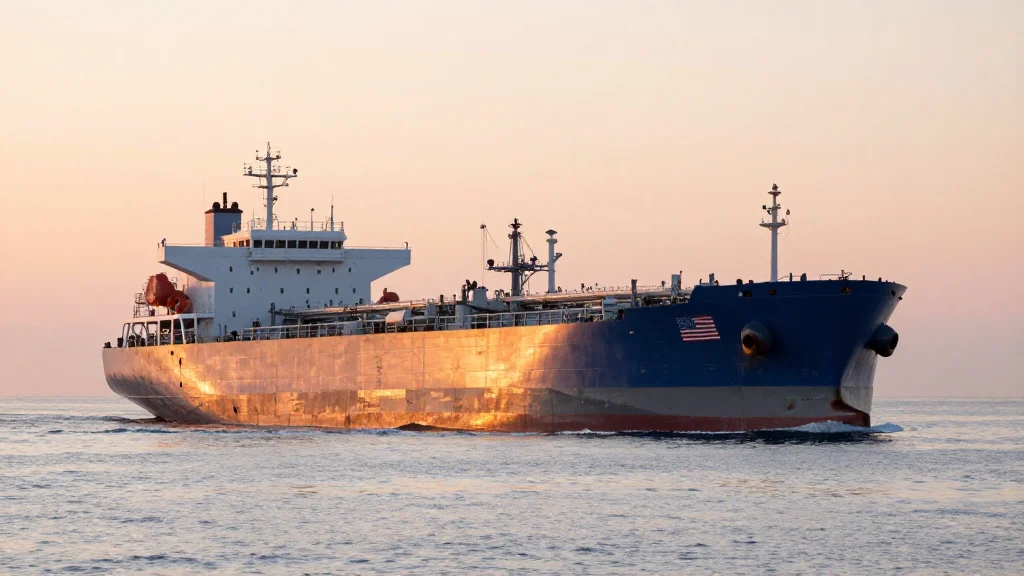
- •Traders must halt sales of at‑sea Russian, Iranian oil
- •Potential dip in Russian and Iranian oil revenues
- •Global oil prices may rise due to tighter supply
- •U.S. signals heightened sanctions enforcement on adversaries
Pulse Analysis
The United States introduced temporary waivers in 2022 that allowed the purchase and transport of Russian and Iranian crude already en route at sea, sidestepping the broad sanctions imposed after Russia’s invasion of Ukraine and Iran’s support for proxy conflicts. Those waivers were intended as a pragmatic measure to avoid disrupting global energy markets while maintaining pressure on the two regimes. By confirming that the waivers will not be extended beyond the next month, Washington is closing that pragmatic backdoor.
Market participants are already adjusting to the tighter regime. With the loophole gone, oil traders must either find alternative sources or risk violating sanctions, a prospect that could tighten supply of Russian and Iranian barrels and push Brent and WTI futures higher. Shipping firms that previously booked tankers for at‑sea cargoes are revisiting routes, and compliance teams are scrambling to update internal controls. The short‑term shock may be muted by existing inventories, but the loss of legal certainty is likely to add a risk premium to oil contracts.
The move underscores a broader U.S. strategy to use economic tools more aggressively against state sponsors of conflict. By eliminating the waiver, Washington sends a clear signal to Moscow and Tehran that sanctions will be applied consistently, even when logistical complexities arise. For multinational energy companies, the decision highlights the importance of robust sanctions screening and diversification of supply chains. Analysts expect the policy to remain in place through 2025, reinforcing the trend toward tighter energy market regulation amid geopolitical tension.
US Confirms Russia, Iran Waivers Will Not Be Renewed
Comments
Want to join the conversation?
Loading comments...