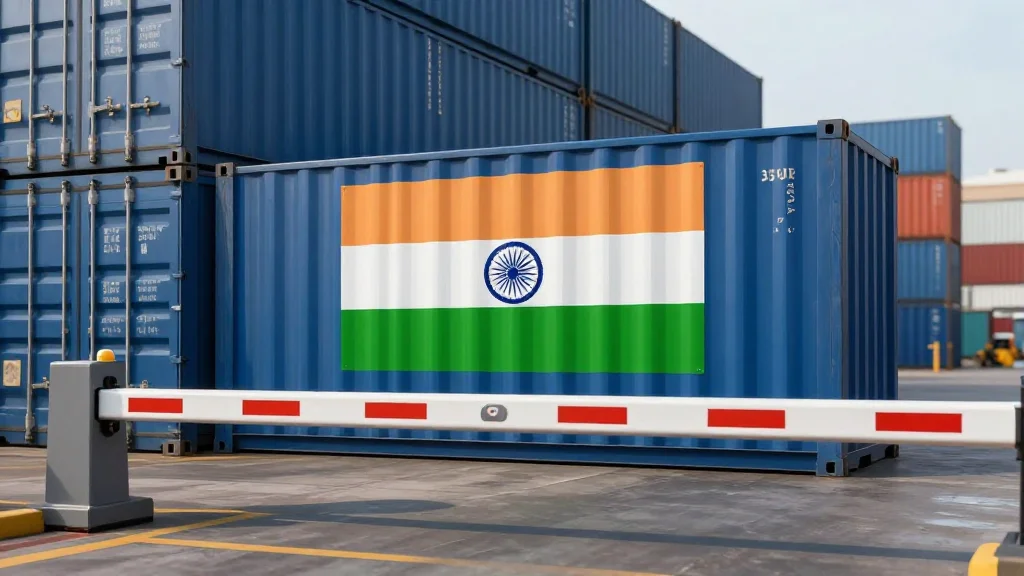
US Court Rules Against Trump’s 10% Global Tariff, Lending India a Negotiating Edge
Why It Matters
Eliminating the 10% surcharge reduces costs for U.S. importers and enhances India’s leverage in negotiating lower tariffs, potentially reshaping the future of the U.S.–India trade partnership.
Key Takeaways
- •Court invalidated 10% global tariff under Section 122.
- •Tariff removal returns US duties to MFN level.
- •India gains leverage in US‑India bilateral trade talks.
- •Ongoing Section 301 investigations still pose risk for India.
- •Reciprocal tariffs previously set at 25% now struck down.
Pulse Analysis
The three‑judge panel of the U.S. Court of International Trade concluded that the 10% global tariff announced by former President Trump lacked statutory authority. Section 122 of the Trade Act of 1974 permits emergency tariffs only when a nation faces a severe balance‑of‑payments crisis, not merely a trade deficit. By deeming the measure invalid, the court effectively resets duties on all imports to the baseline most‑favored‑nation rate, eliminating an extra cost layer that had been applied indiscriminately to every trading partner, including India.
For India, the ruling arrives at a pivotal moment in its negotiations for a bilateral trade agreement (BTA) with Washington. The removal of the 10% surcharge, combined with the earlier overturn of a 25% reciprocal tariff, restores a more predictable tariff environment and strengthens New Delhi’s negotiating hand. Analysts note that India can now press for deeper tariff cuts on industrial and agricultural goods while the U.S. may seek concessions on market‑access issues. The shift also underscores the importance of a legally sound tariff framework; without it, both sides risk renegotiating terms that could delay the finalization of the BTA.
Nevertheless, the broader U.S. trade strategy remains in flux. Section 301 investigations launched in March 2026 continue to target India and other countries for alleged trade practices, potentially leading to additional penalties despite the court’s decision. This dual track—court‑mandated tariff normalization alongside investigative enforcement—creates a complex landscape for multinational firms that must monitor both legal developments and policy shifts. The outcome will influence supply‑chain costs, pricing strategies, and competitive dynamics across sectors ranging from technology to agriculture, making the next few months critical for stakeholders on both sides of the Pacific.
US court rules against Trump’s 10% global tariff, lending India a negotiating edge
Comments
Want to join the conversation?
Loading comments...