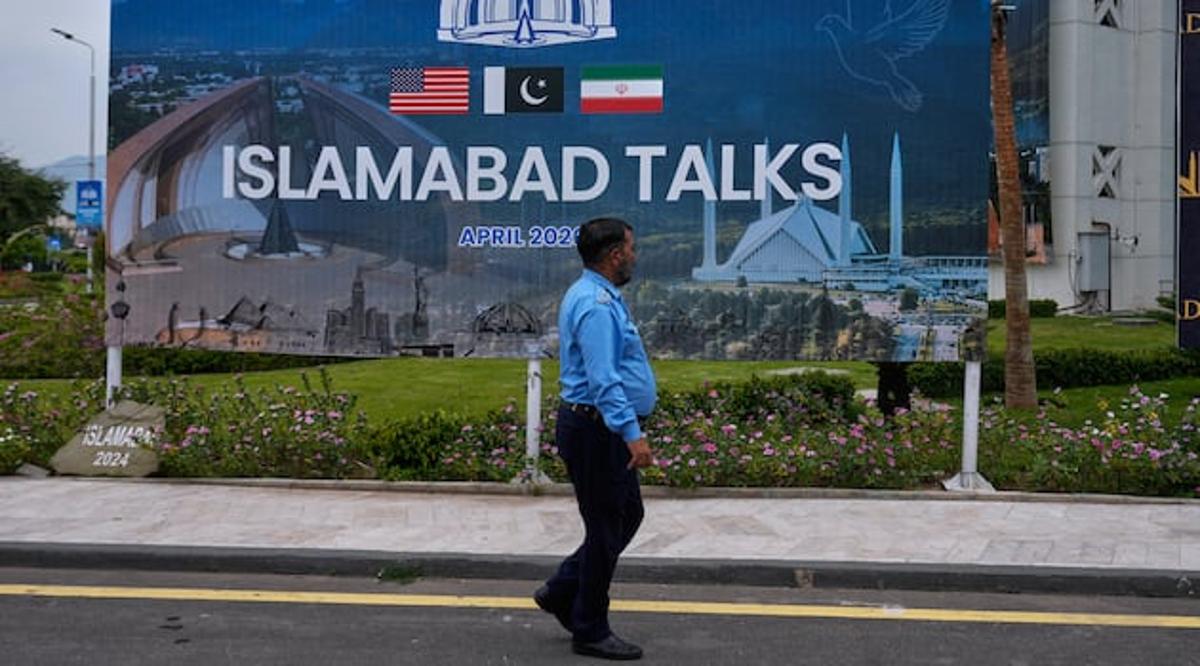
US Envoys Travel to Pakistan for Peace Talks; Iran Says Direct Negotiations Not Planned
Why It Matters
The talks could curb a costly eight‑week war that is draining US defense stocks and unsettling global markets, while signaling a diplomatic path to de‑escalation.
Key Takeaways
- •Iran's foreign minister meets US envoys in Islamabad, but no direct talks
- •US special envoys Steve Witkoff and Jared Kushner travel to Pakistan Saturday
- •US munitions stockpiles depleted: over 1,100 stealth cruise missiles used
- •Pentagon rushes weapons from Asia and Europe to sustain Middle East operations
- •JD Vance on standby, but not expected to attend peace negotiations
Pulse Analysis
The Iran‑United States conflict has entered a diplomatic pivot point as Tehran’s foreign minister lands in Islamabad, the only neutral ground where both sides can exchange signals. By routing its concerns through Pakistan, Iran avoids direct engagement with Washington, preserving leverage while testing the United States’ willingness to negotiate. The presence of senior envoys Steve Witkoff and Jared Kushner underscores the administration’s intent to keep channels open, even as President Trump remains vague about the specifics of any Iranian offer. This indirect approach mirrors past back‑channel efforts that have occasionally broken stalemates in volatile regions.
Beyond the political theater, the war’s material toll is reshaping US defense logistics. Since February, the Pentagon has expended roughly 1,100 long‑range stealth cruise missiles—nearly the entire reserve earmarked for a potential China confrontation—and over 1,200 Patriot interceptors, each costing about $4 million. The rapid depletion forces the Department of Defense to reroute munitions from Asian and European commands, stretching supply lines and raising concerns about readiness for simultaneous global contingencies. Analysts warn that sustained attrition could compel budget reallocations or accelerate procurement cycles, influencing defense contractors and the broader aerospace market.
For markets and policymakers, the outcome of the Islamabad talks carries weight far beyond the Middle East. A credible cease‑fire would ease pressure on oil prices, stabilize supply chains, and reduce the fiscal strain of emergency war‑time spending. Conversely, a breakdown could deepen the United States’ inventory shortfalls, prompting higher defense outlays and potentially inflating defense‑related equities. The diplomatic gamble, therefore, is not just about ending hostilities but also about preserving strategic flexibility and economic stability in a world still reeling from pandemic‑era disruptions.
US envoys travel to Pakistan for peace talks; Iran says direct negotiations not planned
Comments
Want to join the conversation?
Loading comments...