US Inflation Accelerates on War-Driven Gas Prices
Why It Matters
Higher energy costs are squeezing household budgets and reducing real wages, which could dampen consumer spending and complicate the administration’s economic narrative.
Key Takeaways
- •War in Middle East pushes U.S. inflation to three‑year high
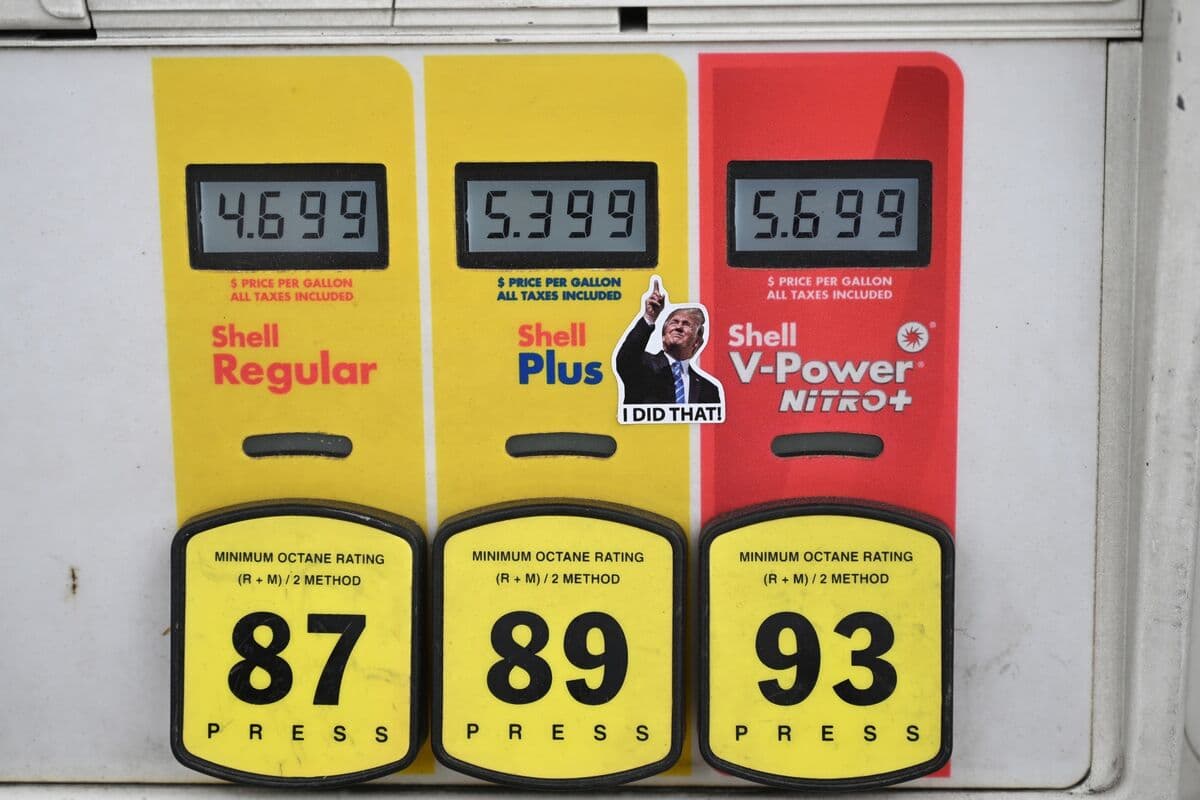
- •Gasoline prices surge as Strait of Hormuz remains largely shut
- •Real hourly earnings drop 0.7%, biggest fall since 2022
- •Consumer confidence hits record low amid rising living costs
- •Trump’s approval slips further as inflation fuels economic criticism
Pulse Analysis
The escalation of the U.S.-Israel conflict with Iran has reignited geopolitical risk in the world’s most critical oil chokepoint, the Strait of Hormuz. With tanker traffic curtailed, global crude supplies have tightened, prompting a sharp rise in gasoline prices that now sit at the forefront of the U.S. consumer price index. This supply shock has pushed headline inflation above 4%, a level not seen since 2023, even as core inflation shows modest moderation. The price dynamics underscore how quickly regional wars can ripple through global commodity markets and affect domestic price stability.
For American households, the spike in pump prices translates into higher discretionary costs and a measurable dip in real earnings. The Treasury’s latest data reveal that average hourly wages, adjusted for inflation, fell 0.7% from a year earlier—the largest annual decline in more than three years. With real purchasing power eroding, consumer sentiment has plunged to a record low, raising concerns about a slowdown in retail and services spending. Economists warn that sustained energy price pressure could force the Federal Reserve to keep interest rates higher for longer, further tightening credit conditions.
Politically, the inflation surge adds a new layer of challenge for the Trump administration, already grappling with low approval ratings. The administration’s narrative of a strong economy is undermined by rising living costs, providing ammunition to opponents and complicating any upcoming policy initiatives. As the conflict drags on, analysts expect energy prices to remain elevated, keeping inflationary pressures alive and potentially reshaping the 2026 midterm electoral landscape. Stakeholders across sectors should monitor both geopolitical developments and domestic policy responses as they navigate this volatile environment.
US Inflation Accelerates on War-Driven Gas Prices
Comments
Want to join the conversation?
Loading comments...