US Inflation Details Ease Concerns of Energy Spillover Effects
Why It Matters
The softer core inflation reading eases pressure on the Federal Reserve’s tightening cycle and signals that temporary energy spikes and tariff reductions may prevent a resurgence of price growth, supporting corporate profit margins and consumer spending.
Key Takeaways
- •Core CPI rose 0.2% MoM, below 0.3% forecast.
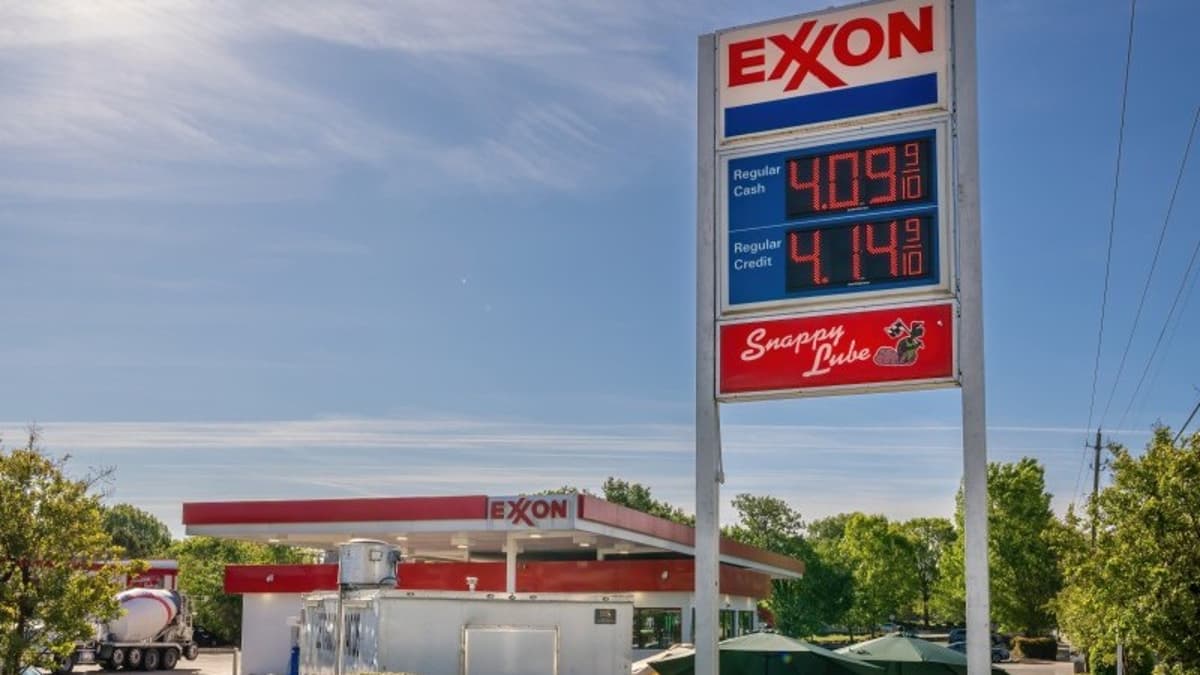
- •Gasoline prices fell to $4.15/gal, easing headline inflation pressure.
- •Housing weight 44% added only 0.2% MoM increase.
- •Tariff cuts may remove 0.9 ppt from core PCE inflation.
- •Wage growth slowdown helps keep core inflation in check.
Pulse Analysis
The May CPI report underscores a bifurcated inflation landscape. While headline prices climbed 0.5% month‑over‑month, the core index—stripped of volatile energy and food—registered a gentler 0.2% rise, nudging the annual core rate to 2.9%. This modest core trajectory, better than the consensus, helped keep Treasury yields subdued and trimmed market expectations for additional Fed hikes in the near term. Investors are watching the core trend closely, as it more accurately reflects underlying demand pressures.
Energy volatility remains the headline driver. Gasoline surged 7% in May, inflating the headline CPI, but the price dip back to $4.15 per gallon signals a likely correction in June’s data. The report also highlights the lingering impact of the October government shutdown, which forced a zero‑inflation reading for that month and created a statistical "payback" in April. Housing, a heavyweight at 44% of the CPI basket, contributed a modest 0.2% rise, a stark contrast to its 0.7% jump previously, indicating that the temporary methodological boost has faded.
Looking ahead, several headwinds could further temper inflation. Private rent surveys point to declining rents in multiple states, while the Dallas Fed estimates that recent tariff reductions shave roughly 0.9 percentage points from core PCE inflation. Coupled with slowing wage growth—the largest cost component for corporations—these factors suggest a reduced risk of a core inflation resurgence. Consequently, the Federal Reserve is unlikely to pivot to rate cuts this year, but the softened core numbers also diminish the urgency for additional tightening, offering a more balanced outlook for both businesses and consumers.
US Inflation details ease concerns of energy spillover effects
Comments
Want to join the conversation?
Loading comments...