US to Lift Eritrea Sanctions as Red Sea Tensions Reshape Alliances
Why It Matters
Lifting the sanctions could realign alliances in the Horn of Africa, enhancing U.S. leverage over Red Sea security while deterring Ethiopia’s maritime ambitions. It also highlights the trade‑off between geopolitical priorities and human‑rights concerns in U.S. foreign policy.
Key Takeaways
- •US to rescind Eritrea sanctions around May 4, per State Department note
- •Move signals Washington’s strategic pivot toward Red Sea shipping corridor
- •Lifting sanctions aims to deter Ethiopia from forceful sea‑access bids
- •Eritrea’s poor human‑rights record remains a concern for critics
Pulse Analysis
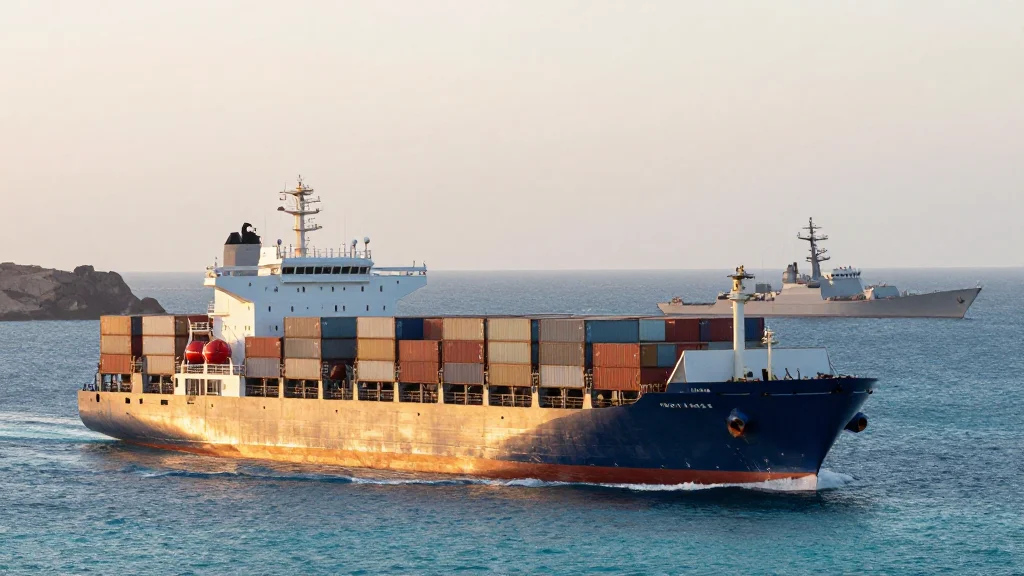
The Red Sea has re‑emerged as a critical artery for global trade after the Strait of Hormuz became intermittently inaccessible, prompting the United States to reassess its security posture in the region. Eritrea, perched on the western flank of the corridor, now offers a potential partner for monitoring maritime traffic and countering illicit activities. By signaling a willingness to normalize relations, Washington hopes to secure a foothold that can help stabilize shipping lanes and protect energy flows between Asia, the Mediterranean, and Europe.
At the same time, the policy shift sends a clear diplomatic message to Ethiopia, which has long coveted direct access to the Red Sea. The U.S. note explicitly warns against any forceful bid for a seaport, positioning Eritrea as a buffer against Ethiopian expansionism. This stance aligns with broader U.S. objectives to contain instability in the Horn of Africa, where conflicts in Sudan and Somalia already strain regional security architectures. By leveraging Eritrea’s strategic location, Washington aims to foster a coalition that can respond quickly to crises without over‑extending its own military assets.
However, the decision also underscores the perennial tension between strategic interests and human‑rights advocacy. Eritrea consistently ranks among the world’s most repressive regimes, with reports of indefinite conscription and political persecution. Critics argue that lifting sanctions may legitimize a government that flouts international norms, potentially weakening U.S. credibility on democratic values. Yet policymakers appear to prioritize immediate security imperatives over long‑term normative goals, a calculus that could shape future U.S. engagement across other contested maritime zones. The outcome will likely influence how Washington balances realpolitik with its professed commitment to human rights in the coming years.
US to lift Eritrea sanctions as Red Sea tensions reshape alliances
Comments
Want to join the conversation?
Loading comments...