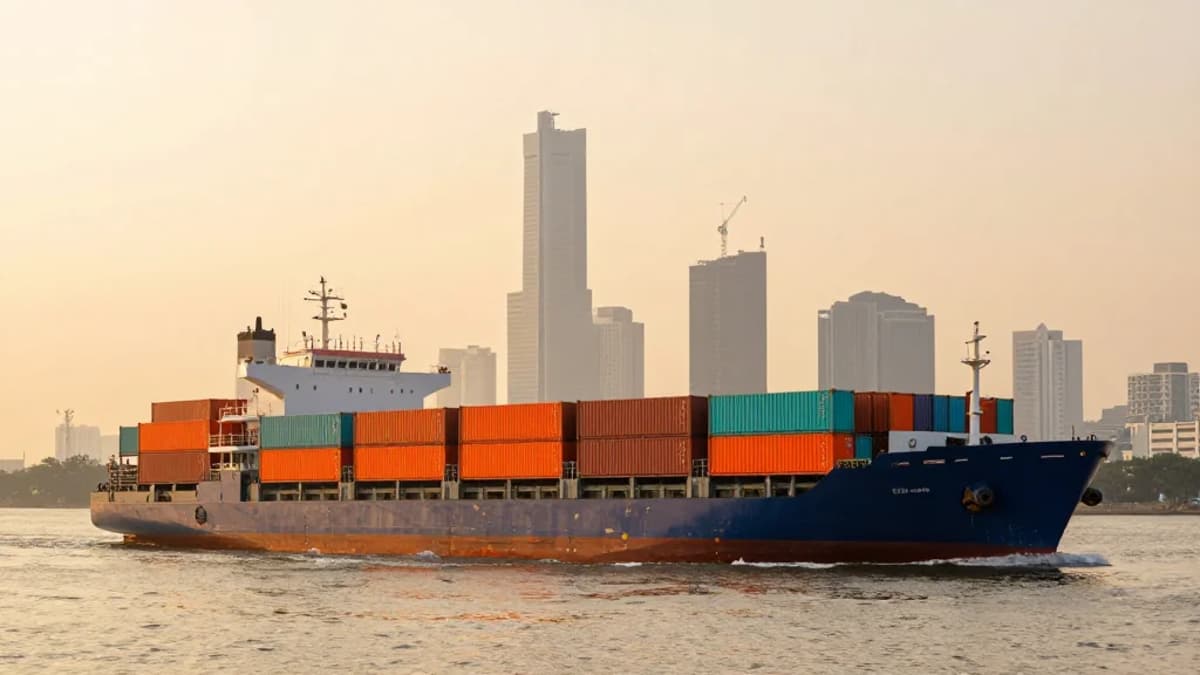
Vietnam Emerges as Global Economic Growth Leader: Harvard, S&P Research
•March 4, 2026
0
Why It Matters
The surge positions Vietnam as a premier destination for foreign investment and reshapes Southeast Asia’s competitive landscape, offering investors exposure to high‑growth, diversified manufacturing and services.
Key Takeaways
- •Harvard predicts Vietnam leads global GDP growth decade
- •Feb PMI hit 54.3, eight months expansion
- •Exports $403B, second only to Singapore
- •FTSE Russell to upgrade Vietnam to secondary emerging market
- •Electronics now top export, replacing textiles
Pulse Analysis
Vietnam’s rapid ascent stems from decades of market‑friendly reforms and a steady inflow of foreign direct investment. By liberalising trade, improving fiscal discipline and investing in infrastructure, the country has lifted GDP per‑capita above many ASEAN peers. This macro‑environment has encouraged multinational firms to relocate production, especially in high‑tech sectors, turning Vietnam into a manufacturing hub that now contributes a sizable share of its $403 billion export bill. The structural shift from textiles to electronics and machinery underscores a broader move toward more complex, higher‑value output.
The February manufacturing PMI of 54.3 signals robust expansion, extending an eight‑month streak of improving conditions. Factory output surged to a 19‑month high, while new orders rose for a sixth consecutive month, reflecting strong downstream demand despite volatile export markets. Input purchases also accelerated, indicating firms are scaling capacity ahead of client deliveries. Coupled with a modest rise in temporary hiring, these metrics illustrate a resilient supply chain that can absorb global shocks and sustain growth.
Investor interest is set to deepen as FTSE Russell prepares to reclassify Vietnam as a secondary emerging market in 2026. The upgrade is expected to unlock new streams of institutional capital, enhancing liquidity and broadening exposure to domestically driven sectors such as real estate, finance, and industrial development. Meanwhile, tourism rebounds with a 20.4% rise in arrivals, supporting service‑sector expansion. Together, these dynamics position Vietnam as Southeast Asia’s next industrial engine and a compelling long‑term play for global investors seeking diversified growth opportunities.
Vietnam emerges as global economic growth leader: Harvard, S&P research
0
Comments
Want to join the conversation?
Loading comments...