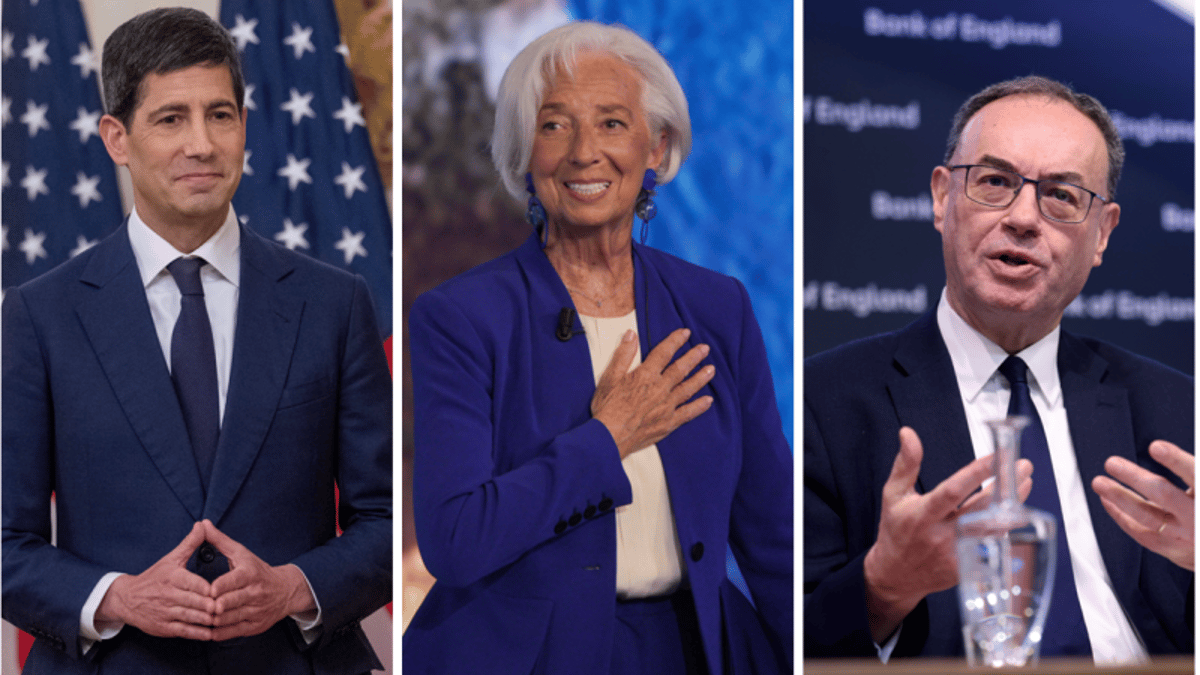
Webinar: War, Oil, and Stagflation – The Central Bank Stress Test
Why It Matters
Policymakers must balance inflationary shocks from energy markets against slowing growth, a dilemma that will dictate global interest‑rate trajectories and affect capital flows. Understanding these stress points helps investors anticipate rate moves and currency volatility.
Key Takeaways
- •ECB likely to raise rates in June, possibly a one‑off move
- •Fed may hike rates again this year as officials adopt hawkish tone
- •BoE shows more caution than ECB, making a June hike uncertain
- •EUR/USD trajectory tied to oil price swings and Middle‑East tensions
- •European economies feel strain from rising inflation and supply‑chain disruptions
Pulse Analysis
War in the Middle East has reignited concerns about oil supply security, pushing energy prices into a volatile range that threatens to embed inflation into the broader economy. Central banks, already grappling with post‑pandemic supply bottlenecks, now face the specter of stagflation—a combination of stagnant growth and persistent price pressures. This environment forces policymakers to weigh the traditional tool of rate hikes against the risk of choking fragile recovery, especially in Europe where energy dependence remains high.
Within this context, the European Central Bank appears poised to act decisively in June, with many analysts viewing a rate increase as almost certain, albeit potentially a singular response to the current shock. Across the Atlantic, Federal Reserve officials are signaling a more hawkish stance, suggesting another hike could be on the table if inflation does not ease. The Bank of England, however, is exhibiting greater restraint, reflecting divergent inflation dynamics and political pressures in the UK. This policy divergence is set to widen yield differentials, influencing cross‑currency flows and shaping the risk‑on/risk‑off tenor in global markets.
For investors, the interplay between oil price trajectories and central‑bank actions creates a nuanced backdrop for EUR/USD forecasts. A sustained rise in oil prices could bolster the euro by supporting inflation expectations, while a rapid de‑escalation might weaken it as the ECB’s tightening rationale diminishes. Meanwhile, the dollar’s strength will hinge on the Fed’s ability to maintain credibility amid mixed data. Market participants should monitor geopolitical developments, energy inventories and upcoming policy minutes to calibrate exposure, as the next few months will likely define the medium‑term monetary landscape.
Webinar: War, oil, and stagflation – The central bank stress test
Comments
Want to join the conversation?
Loading comments...