Where Does the K-Shaped Economy Stand in 2026?
Companies Mentioned
Why It Matters
Understanding the persistent K‑shape helps CEOs and CFOs tailor pricing, product mix, and risk management to a consumer base split between excess cash and tightening budgets, directly influencing revenue forecasts and investment decisions.
Key Takeaways
- •Wage growth diverges: high earners accelerate, low earners stagnate since 2025
- •Spending gap narrows only as gas costs rise for low‑income households
- •Tax refunds boost discretionary spend now, but will dry up by fall
- •Middle class pivots to deep‑value retailers; paycheck‑to‑paycheck mindset returns
- •Firms targeting mini‑splurge items likely outpace rivals in 2026
Pulse Analysis
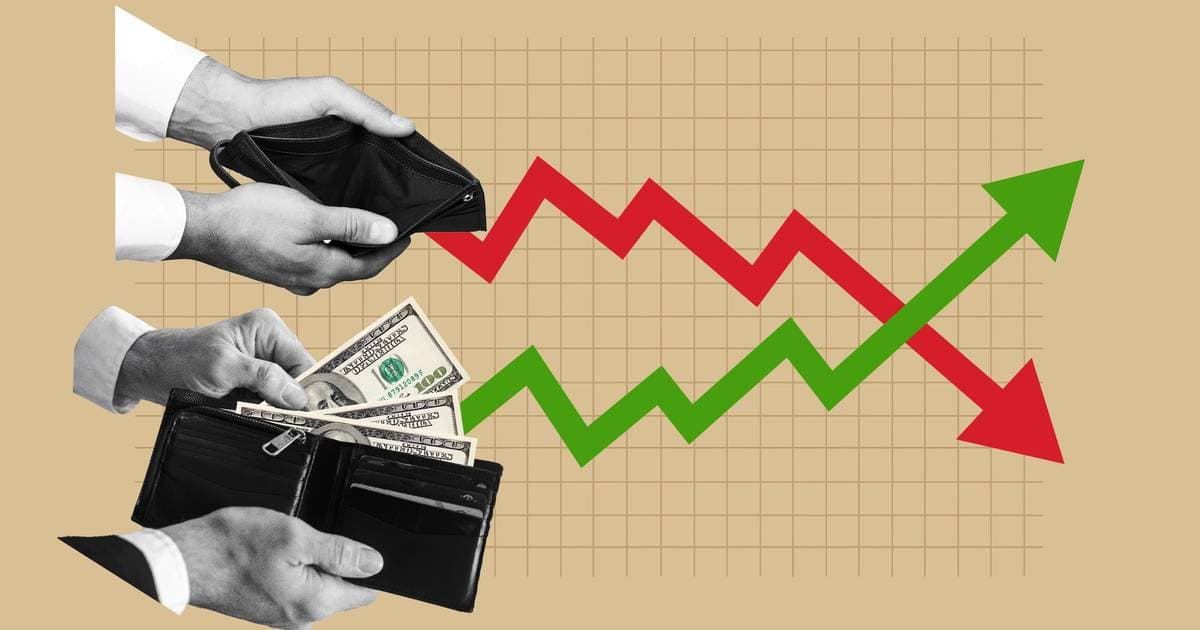
The K‑shaped recovery, first coined during the pandemic, has solidified into a structural feature of the U.S. economy. Data from the Bank of America Institute and Navy Federal Credit Union show that since spring 2025, high‑income earners have enjoyed accelerating wage growth, while lower‑income households face stagnant or declining real wages. This divergence fuels a spending split: affluent consumers continue to spend on premium goods, whereas the majority of households curb discretionary purchases, especially as gasoline prices disproportionately affect their budgets. The result is a misleading headline that overall consumer spending appears flat, while the underlying distribution tells a different story.
In 2026, the temporary lift from sizable tax refunds has created a brief “mini‑splurge” season, allowing middle‑class shoppers to indulge in modest, value‑oriented purchases. However, once the refund wave recedes in the fall, wage growth—still soft for most—will become the primary driver of spending, likely widening the K‑shape again. Luxury brands are already feeling strain from external shocks such as the Iran conflict, while deep‑value retailers like Costco see increased foot traffic as consumers hunt for cost‑effective options. Gasoline remains a key factor; when stripped out, the discretionary gap between income tiers remains stark.
For finance leaders, the implication is clear: strategies must be calibrated to capture both ends of the curve. Companies that design product lines and promotions around low‑ticket, high‑frequency “mini‑splurge” items can capture the middle‑class’s renewed focus on value, while firms targeting the affluent should continue to invest in premium experiences. Meanwhile, risk models need to incorporate the volatility of tax‑refund‑driven demand and the potential for a deeper K‑shape as wage pressures persist into 2027. Aligning pricing, inventory, and marketing with these nuanced consumer dynamics will be a decisive competitive advantage.
Where does the K-shaped economy stand in 2026?
Comments
Want to join the conversation?
Loading comments...