Why America Can’t Walk Away From the Gulf Economies
Why It Matters
The Gulf’s economic transformation underpins U.S. strategic security and offers a multi‑trillion‑dollar market for American technology and capital, making its stability a direct driver of global growth and energy reliability.
Key Takeaways
- •Trump secured pledges of Gulf sovereign wealth for US projects.
- •Iran’s war disrupted Gulf trade, exposing security vulnerabilities.
- •Gulf diversification remains vital despite oil revenue fluctuations.
- •US firms can leverage Gulf capital in AI, quantum, manufacturing.
- •Reopening Strait of Hormuz essential for global energy supply.
Pulse Analysis
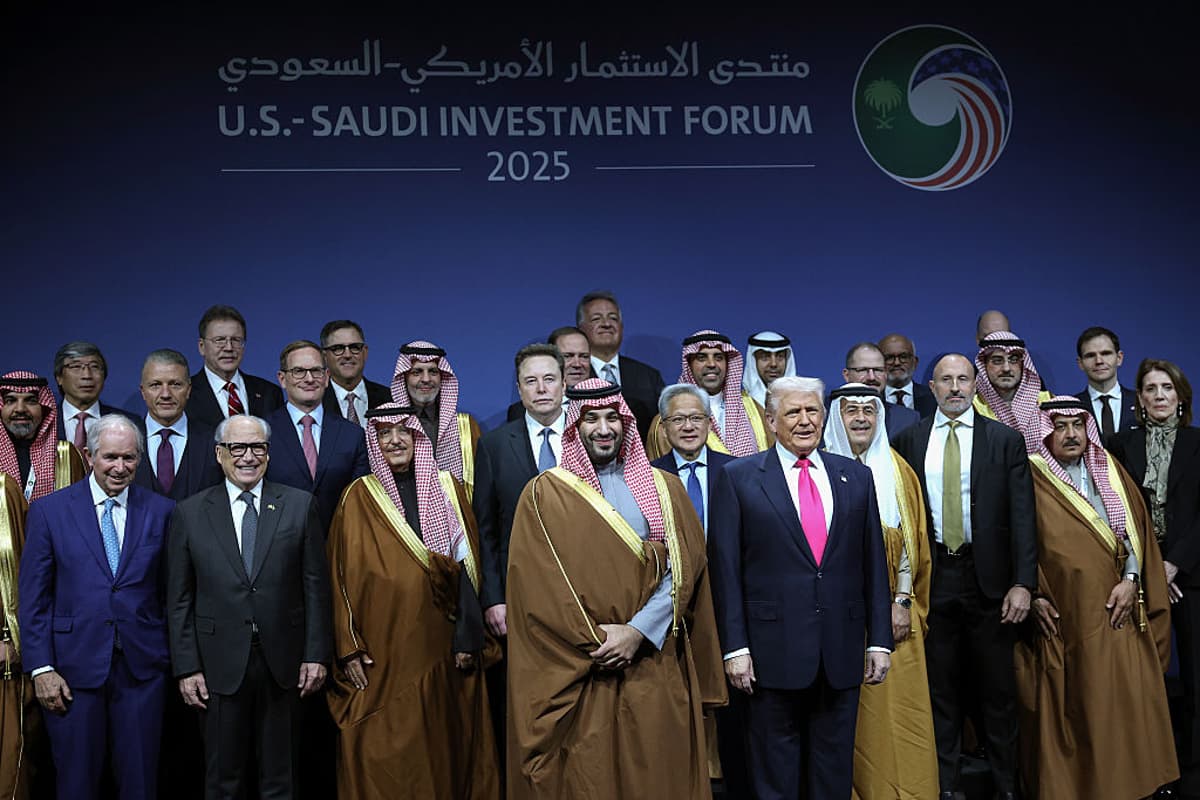
Trump’s 2025 Middle‑East tour was framed as a diplomatic‑business hybrid, promising Gulf sovereign‑wealth funds to finance U.S. infrastructure, clean‑energy, and high‑tech projects. By positioning the United States as a partner in the Gulf’s Vision 2030‑style diversification, the administration aimed to move beyond oil‑centric ties toward joint ventures in artificial intelligence, quantum computing, and advanced manufacturing. While the announced deals were aspirational, they signaled a strategic intent to embed American capital in the region’s emerging sectors, creating a pipeline of future revenue and geopolitical leverage.
The February escalation with Iran abruptly shifted the narrative. Iranian missile strikes temporarily sealed the Strait of Hormuz, the chokepoint through which roughly a fifth of global oil passes, underscoring the vulnerability of Gulf trade routes. The conflict rattled investor confidence, prompting some expatriates to leave and forcing Gulf sovereign‑wealth funds to re‑allocate capital toward resilience—hardening logistics, redundant pipelines, and fortified air‑defense systems. Yet, even as oil revenues rose for Saudi Arabia and Oman, the overall sovereign‑wealth pool—about 40 % of global assets—remains a potent source of long‑term financing for reconstruction and diversification.
For American companies, the post‑war environment presents both risk and reward. Gulf states are actively seeking partners to build AI data centers, quantum research hubs, and next‑generation manufacturing plants, offering access to capital, favorable regulatory frameworks, and strategic locations linking Asia, Europe and Africa. Success will hinge on U.S. firms demonstrating commitment, security‑by‑design solutions, and alignment with Gulf standards. Simultaneously, Washington must pursue a calibrated diplomatic strategy that keeps the Strait of Hormuz open, supports regional defense cooperation, and balances military pressure with economic incentives. By doing so, the United States can secure a stable Gulf market, protect global energy flows, and cement its leadership in the emerging tech economy.
Why America Can’t Walk Away from the Gulf Economies
Comments
Want to join the conversation?
Loading comments...