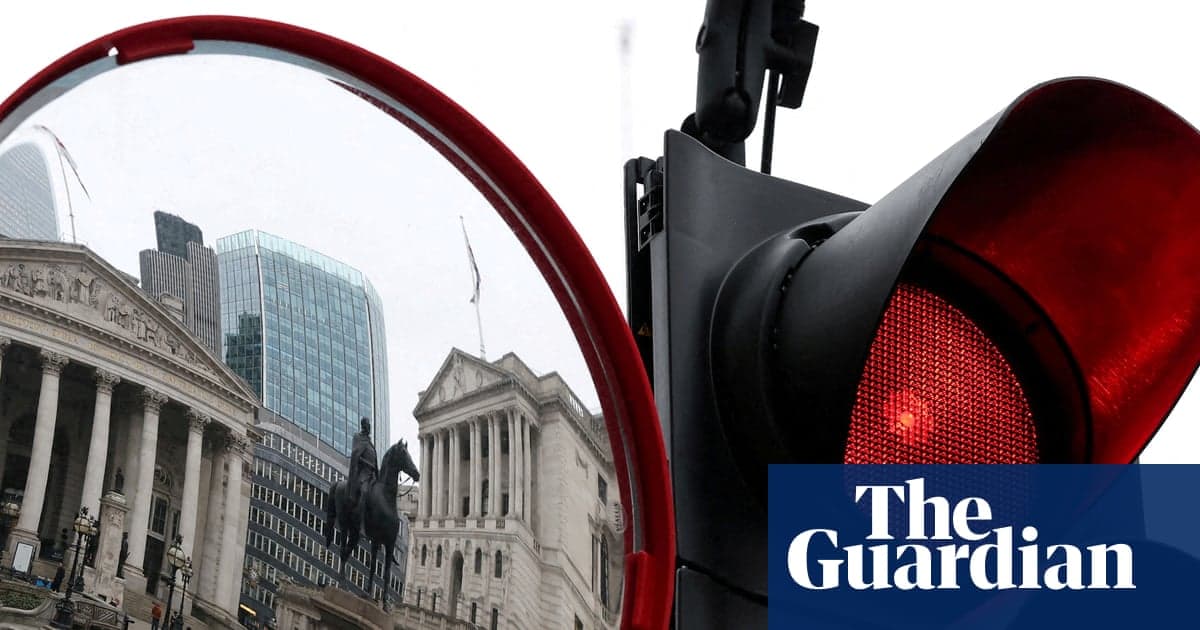
Why Bank Kept Interest Rates on Hold Despite Message for UK to Brace Itself for Trumpflation
Why It Matters
Holding rates for now balances the risk of entrenched inflation against a fragile economy, shaping borrowing costs for households and businesses across the UK.
Key Takeaways
- •Bank of England holds rates despite inflation above 3.5%
- •Mortgage payments could rise £80 (~$102) per month
- •Worst‑case oil shock could push inflation over 6%
- •Unemployment projected to peak at 5.5% next year
- •Markets already priced in ~0.5% rate increase
Pulse Analysis
The term "Trumpflation" has entered the UK policy lexicon as the Bank of England grapples with a new inflationary shock stemming from the Middle‑East conflict and volatile oil markets. With Brent crude hovering near $130 a barrel, the central bank’s own forecasts now show headline inflation topping 3.5% by the end of 2026 and, in a worst‑case scenario, breaching the 6% mark. Such price pressures are feeding through to everyday expenses—mortgage repayments could climb roughly £80 (about $102) each month, while food‑price inflation may reach 4.6% in the autumn.
Despite these headline risks, the Monetary Policy Committee chose to keep the Bank Rate steady, citing a still‑weak real economy. GDP growth is now seen at just 0.8% for the year, and unemployment is expected to rise to 5.5% next year. The committee worries that premature tightening could cement a wage‑price spiral, especially if firms begin passing higher input costs onto consumers. By allowing the economy to absorb the initial shock, the Bank hopes to avoid a self‑reinforcing inflation loop while preserving labour‑market stability.
Financial markets have already moved ahead of policy, with bond yields and loan rates reflecting an implicit half‑percentage‑point increase since the conflict began. Governor Andrew Bailey described this “headroom” as a buffer that lets the MPC pause while monitoring second‑round effects. However, some members warn that market pricing may reverse if the Bank fails to act when inflation proves sticky. The coming months will test whether the current stance can keep inflation expectations anchored without sacrificing growth, a delicate balancing act that will shape borrowing costs and household budgets across Britain.
Why Bank kept interest rates on hold despite message for UK to brace itself for Trumpflation
Comments
Want to join the conversation?
Loading comments...