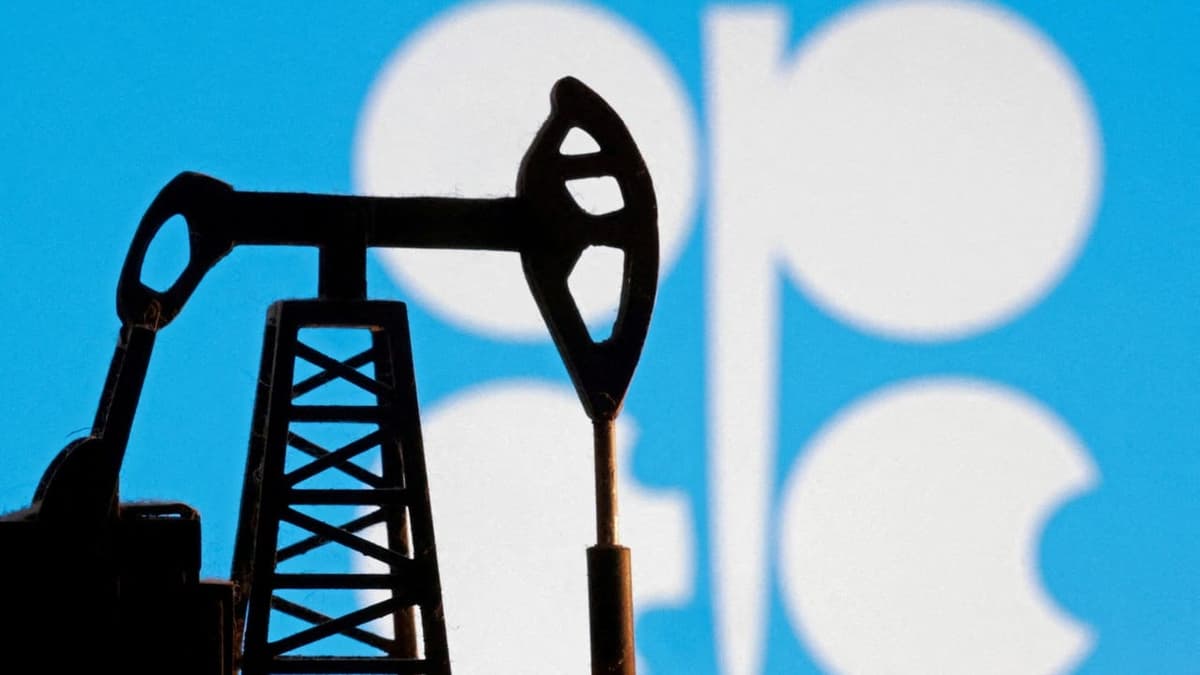
Why China May Benefit From the UAE’s Opec Withdrawal Amid Iran War Oil Crisis
Companies Mentioned
Why It Matters
China’s ability to tap additional UAE oil could ease its heavy import bill and temper global price volatility, while the change reshapes geopolitical dynamics in the Gulf.
Key Takeaways
- •UAE exits Opec on May 1, freeing 12% of output.
- •China could boost UAE oil purchases, easing price pressure.
- •Strait of Hormuz disruptions limit immediate supply gains.
- •Potential yuan‑oil deals may modestly advance yuan internationalisation.
- •Analysts warn possible price war as production competition rises.
Pulse Analysis
The United Arab Emirates’ decision to withdraw from the Organisation of Petroleum Exporting Countries marks a rare shift in Gulf energy politics. As Opec’s third‑largest producer, the UAE contributes about 12% of the cartel’s output, and its exit frees the nation to negotiate sales on a bilateral basis. This newfound flexibility allows it to respond more quickly to market signals, potentially increasing shipments to high‑demand buyers like China. For the broader market, the move introduces a variable that could alter the balance of supply‑side coordination that Opec has traditionally managed.
For China, which imports roughly 70% of its oil, the UAE’s departure opens a strategic avenue to diversify its supply chain. Analysts project that Chinese refiners may raise spot‑market purchases from the Emirates, applying downward pressure on Brent and other benchmarks that have surged above $110 per barrel amid the US‑Israeli strikes on Iran. Yet the immediate impact is tempered by the ongoing disruption in the Strait of Hormuz, a chokepoint handling about 20% of global oil flows. With limited rerouting capacity, any additional UAE crude must navigate logistical bottlenecks, meaning price relief may be gradual rather than instantaneous.
Beyond the physical flow of oil, the exit could deepen financial ties between Beijing and Abu Dhabi. A modest increase in yuan‑denominated oil transactions may support China’s broader goal of yuan internationalisation, though the petrodollar system is unlikely to be upended. Meanwhile, the prospect of heightened competition among both Opec and non‑Opec producers raises the spectre of a price war, especially if the UAE ramps up output to capture market share. Stakeholders will watch closely how these dynamics evolve as the Middle‑East conflict persists and global energy demand rebounds.
Why China may benefit from the UAE’s Opec withdrawal amid Iran war oil crisis
Comments
Want to join the conversation?
Loading comments...